


### Blog Post:
Urinary care cat food is a specialized diet formulated to prevent or manage urinary tract issues in cats, and its effectiveness is guided by the latest scientific research and veterinary guidelines.
Key Takeaways
- Moisture content and balanced mineral levels in urinary care cat food are critical for feline urinary health.
- Prescription urinary diets are clinically proven to help dissolve feline urinary crystals but often cost significantly more than standard cat food.
- Choosing the right diet involves reading ingredient labels, understanding feeding studies, and working with your veterinarian.
- Understanding the Core Concept: What Is Urinary Care Cat Food?
- Step-by-Step Guide: How to Choose and Use Urinary Care Cat Food
- Advanced Analysis & Common Pitfalls
- Conclusion & Action Steps
- Frequently Asked Questions
Understanding the Core Concept: What Is Urinary Care Cat Food?
Urinary care cat food is formulated to prevent or dissolve urinary crystals and stones—such as struvite and calcium oxalate—that cause discomfort and serious health issues in cats. The science centers on achieving a dietary mineral and moisture balance to keep urine at a healthy pH and reduce the risk of crystal formation. Clinical studies and FDA guidelines suggest these diets should maintain relative supersaturation (RSS) values below the threshold for stone formation, using controlled levels of magnesium, phosphorus, and other minerals.
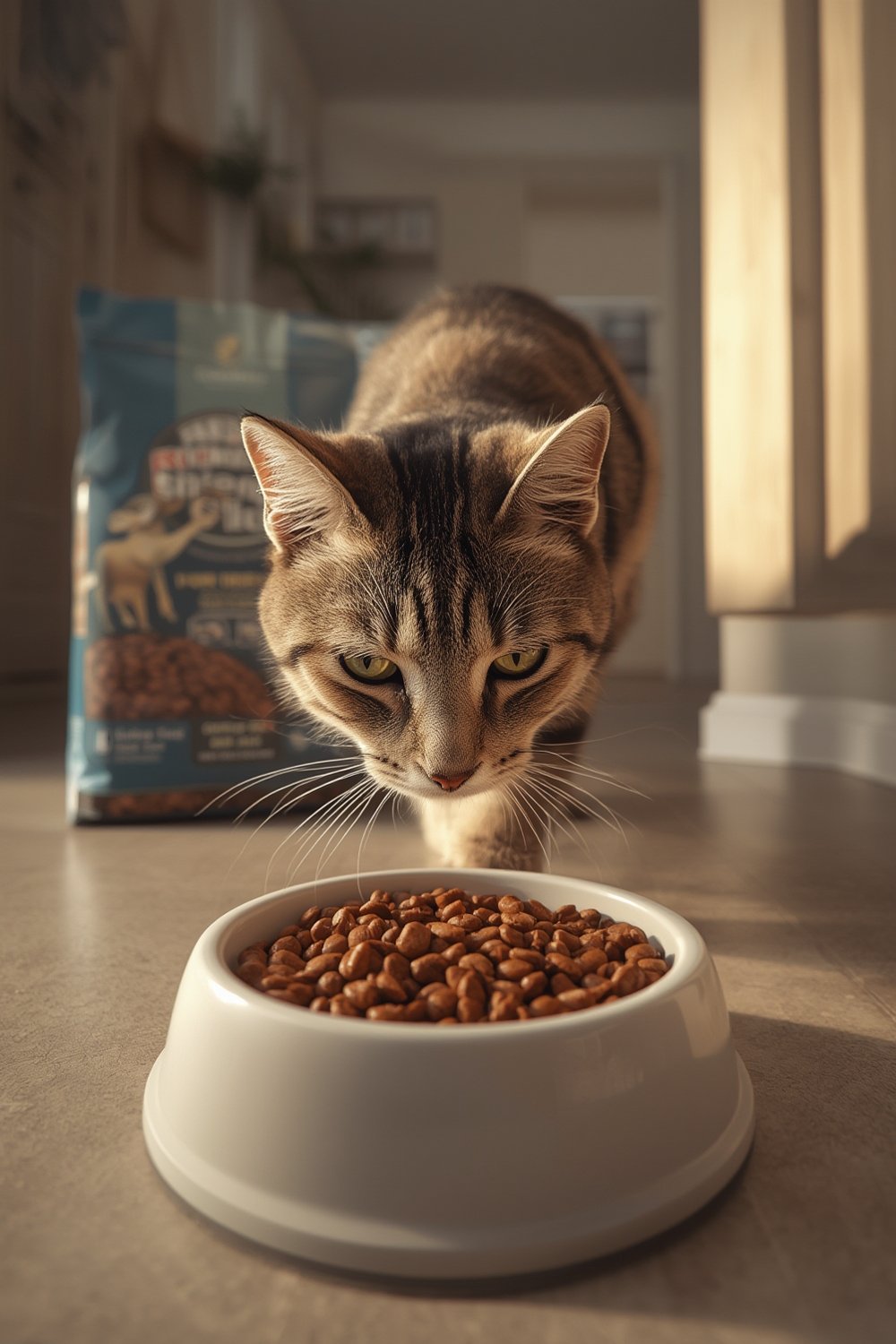
Unlike typical commercial cat food, urinary formulas rely heavily on moisture (especially in canned varieties) and specific mineral profiles. According to recent comparative reviews, canned or wet recipes are consistently more effective at flushing out the urinary tract, helping to dilute and remove harmful substances.
Vets frequently recommend these diets for felines that have had episodes of feline lower urinary tract disease (FLUTD) or are at high risk. Proper use requires cooperation between pet owners and veterinarians since diet alone may not resolve underlying causes like chronic stress or anatomical abnormalities.
For an in-depth look at pet health routines and advanced care products, explore our guide on best dog shampoo.
Step-by-Step Guide: How to Choose and Use Urinary Care Cat Food
Navigating the options for urinary care cat food can be confusing. Below are actionable steps to ensure your cat gets the urinary support it needs.
- Get a Veterinary Diagnosis First. Only a vet can diagnose conditions like FLUTD. Do not self-prescribe urinary food for cats with new or repeated symptoms.
- Understand Ingredient Profiles. Choose food with high moisture, low magnesium, balanced phosphorus, and proper sodium content. Look for brands like Hill’s c/d Multicare, Royal Canin SO, Weruva, or Tiki Cat Puka Puka Luau.
- Check Clinical Claims. Give preference to diets backed by feeding studies that use RSS methodology. Refer to FDA draft guidance for updated testing standards.
- Monitor Hydration. Encourage water intake with fountains, added broths (salt-free), and wet food; adequate hydration is the cornerstone of feline urinary health.
- Account for Cost and Palatability. Understand that prescription diets cost more. Factor in your budget, and test small bags or cans first to avoid waste if your cat refuses the taste.
- Transition Slowly. Mix increasing amounts of the new food with the old over at least a week. Observe for vomiting, diarrhea, or refusal.
- Reassess Regularly with Your Vet. Submit to periodic urine checks and communicate changes in urination or appetite. Adjust as needed for long-term results.
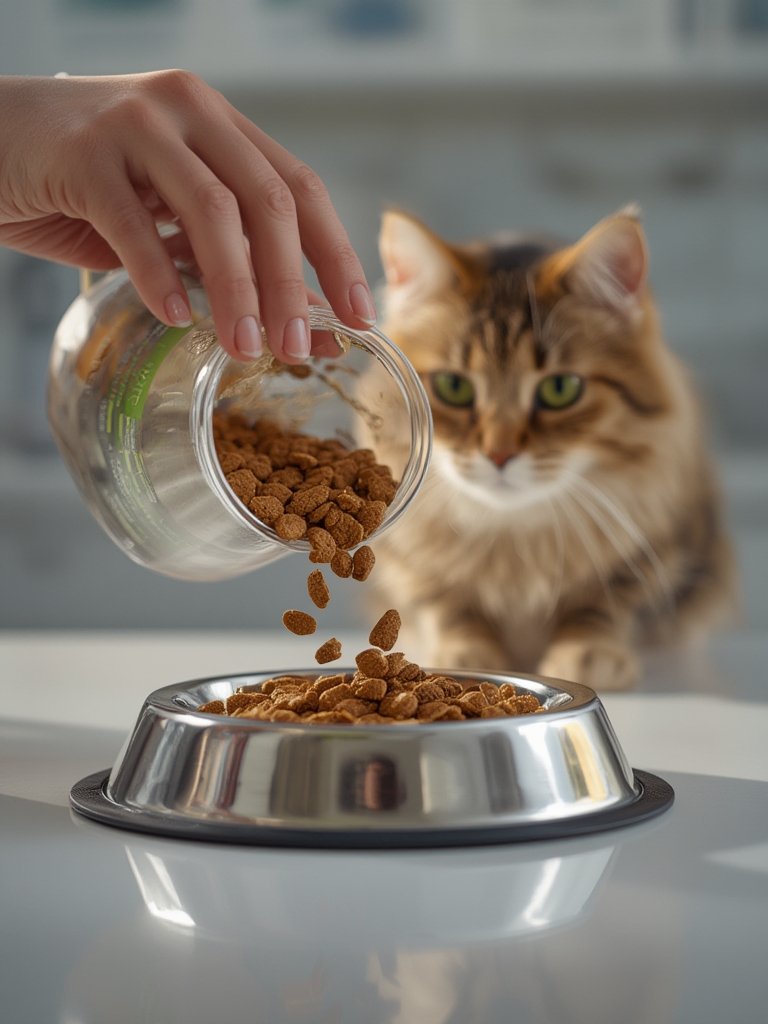
Several brands claim to help manage or prevent urinary problems, but differences can be subtle. Always look for clinical validation and reviews that discuss actual urinary outcomes, not just overall health. For more insight into feline hygiene and litter options, check out our analysis of eco-friendly cat litter.
If you’re also managing dog health concerns, our free resource on probiotics for dogs is a helpful companion.
Advanced Analysis & Common Pitfalls
Urinary care cat foods are not without limitations. Consumer reviews rarely highlight major product issues, but prescription urinary diets often face pushback due to their price point and limited palatability for some cats. Here is how the top brands compare on core factors:
| Brand | Key Strengths | Notes |
|---|---|---|
| Tiki Cat | High moisture, low ash | Optimal pH from meat-rich recipe |
| Hill’s c/d Multicare | Healthy pH, crystal reduction | Clinically tested |
| Royal Canin SO | Low magnesium, balanced pH | High protein |
| Weruva | High moisture, low phosphorus | Supports hydration |
Prescription diets are significantly more expensive than non-prescription food, and budget-conscious owners may struggle to keep up with long-term costs. As reported in industry analyses, the global prescription urinary cat food market sits at $1.8 billion due in part to these higher prices (source).
Despite regular updates to ingredient safety guidelines from veterinary authorities, there have been no major recalls or ingredient warnings tied to urinary care cat foods in the last five years. Instead, shifting strategies (such as aggressively acidifying urine) can inadvertently increase the risk of other problems like calcium oxalate stone formation or metabolic acidosis, especially if brands don’t strictly follow nutrient profiles or fail to use robust RSS-based feeding studies (source).
Finally, top industry articles often skip or oversimplify three technical aspects:
- RSS Methodology Demands: FDA guidance requires four consecutive 24-hour urine measurements to ensure diets consistently keep urine undersaturated for both struvite and calcium oxalate stones.
- Individual Cat Tolerance: Over-acidifying urine may put some cats at risk for metabolic acidosis or other side effects, so safe formulation is critical.
- Stress-Reduction Ingredients: Certain urinary diets now include alpha-casozepine or L-tryptophan for their calming effects, but evidence for benefit is still emerging (publication).
For a deeper dive into specialized pet grooming, visit our reviews on antifungal shampoos for dogs or the best deshedding shampoos.
Conclusion & Action Steps
Cats prone to urinary problems benefit from diets with high moisture, balanced mineral content, and proven clinical results. While urinary care cat food can dissolve crystals and lower recurrence of urinary issues, successful management hinges on veterinary partnership, label scrutiny, and consistent hydration.
Ready to improve your cat’s comfort and long-term health? Talk to your vet about the best urinary care cat food options, and try a gradual transition starting today.
Frequently Asked Questions
How effective is urinary care cat food in dissolving crystals?
Clinical studies show that prescription urinary formulas can dissolve struvite stones in 2–10 weeks if used exclusively, provided the diet maintains proper mineral balance and supports urine undersaturation. Results with calcium oxalate stones are less predictable, as these cannot be dissolved by diet alone.
Is expensive prescription food worth the cost?
Yes, for cats with diagnosed urinary issues. Prescription diets are backed by clinical trials and can prevent costly emergencies or surgeries. The tradeoff is higher monthly food bills, but these are offset by improved health and fewer vet visits.
Can I feed urinary care cat food to healthy cats?
Occasional feeding is not harmful, but it’s best reserved for cats with urinary problems. Some urinary formulas restrict nutrients that are not ideal for healthy cats long-term. Always consult your vet before starting or switching diets.
What should I do if my cat won’t eat the new urinary food?
Try gradual mixing of the new food with old, warming canned food slightly for aroma, or using a topper approved by your veterinarian. If rejection continues, ask your vet about alternative brands or moisture-adding tricks.
Have there been any recent recalls or ingredient safety issues?
As of 2024, there are no recorded recalls or warnings specific to urinary care cat foods or their key ingredients in the past five years. Still, closely monitor FDA updates for future guidance.
—
[…] animal charities. Explore more feline enrichment alternatives and stress management tools in our cat food for urinary health and eco friendly cat litter […]
[…] local options, including those reviewed in top product guides such as collagen sticks for dogs, urinary care cat food, and tofu cat […]
[…] are researching specialized items like collagen sticks for dogs and urinary care cat food. Stocking trending and problem-solving items can drive repeat business and higher […]
[…] those tackling feline urinary issues, reviewing strategies like urinary care cat food choices or exploring eco-friendly tofu cat litter alternatives can complement the automation PETKIT […]
[…] even more feline wellness hacks? Consider complementary tools like urinary care cat food or a pet air purifier to create a healthier, more inviting environment for your […]
[…] with early introduction, positive reinforcement, and providing a familiar scent. Consider using a urinary care cat food to reduce accidents while your cat […]
[…] Notice changes in litter box frequency, dry gums, listlessness, or sudden weight loss—these may signal dehydration. If you see your cat drinking a lot more (over 500ml/day) or suddenly less, consult a vet. For more on diet and urinary care, see our deep dive on urinary care cat food options. […]
[…] a veterinarian or feline behaviorist. Ruling out health problems or anxiety disorders is wise (urinary health issues can sometimes present as increased […]
[…] If your cat is on a prescription cat food for urinary health, always check with your vet before making changes—hydration needs may differ based on medical […]