



Cat harness and leash set use has become more popular with urban and younger cat owners, but mistakes in selection and training can lead to stress, escape, or frustration for both you and your cat. This guide strips away the myths and gives you the real steps, pitfalls, and pro tricks—backed by current research and honest expert warnings—to get you and your cat outside or ready for safe travel.
Key Takeaways
- About 15% of UK cat owners now use a harness, but stress and escape risks are real, especially for indoor-only cats.
- Most “escape proof” harnesses are only as safe as the fit and your training—bulky or ill-fitting models often cause failed walks.
- Many guides skip stress signs and alternatives for cats who simply won’t tolerate a harness—know when to stop and try something else.
- Understanding Cat Harness and Leash Sets: What and Why
- How to Safely Harness an Indoor Cat: Step-by-Step
- Advanced Analysis and Common Pitfalls
- Conclusion
- FAQ
Understanding Cat Harness and Leash Sets: What and Why ?
A cat harness and leash set is designed to give your indoor cat controlled outdoor access or safe travel with you—reducing escape risk and injury compared to a collar. In the UK in 2024, about 15% of all cat owners report using a harness, although its real-world adoption remains uncommon worldwide, especially among indoor-only cats. Usage has grown as younger urban owners seek new ways to enrich their cats’ lives and reduce boredom, especially in small apartments.
However, not every cat takes well to harnessing. Many will resist, some will never adapt, and forcing it can cause stress or increase risk. While some brands promote “escape proof” harnesses, actual user complaints often involve harnesses being too bulky, uncomfortable, or inhibiting the cat’s natural flight response, all of which can lead to poor outcomes.
For cats that do accept the harness, it can unlock adventures and safer vet trips but requires patience, the right fit, and awareness of stress signals.
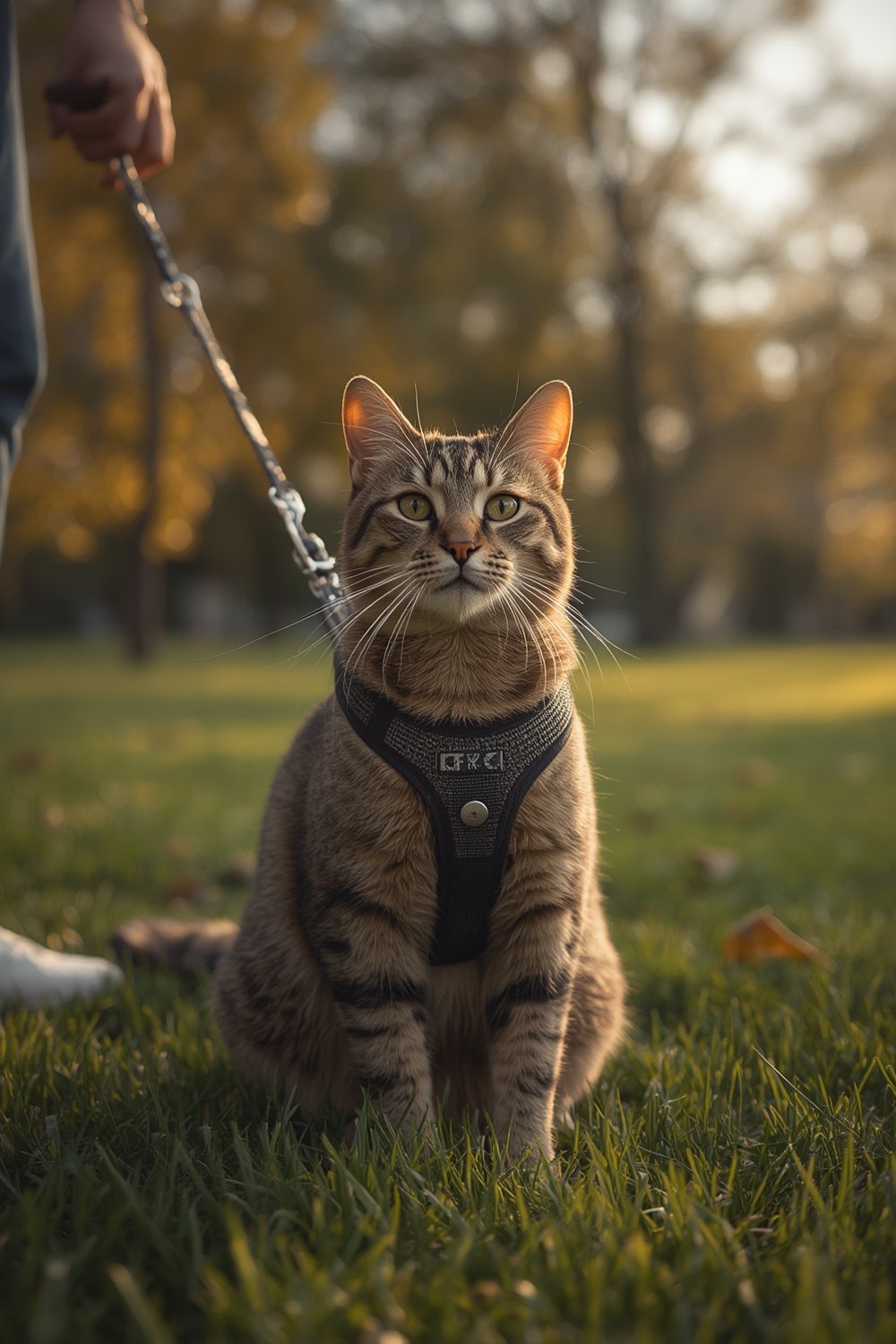
How to Safely Harness an Indoor Cat: Step-by-Step
Leash training an indoor cat safely starts with fair expectations. Here’s how to avoid mistakes and maximize welfare:
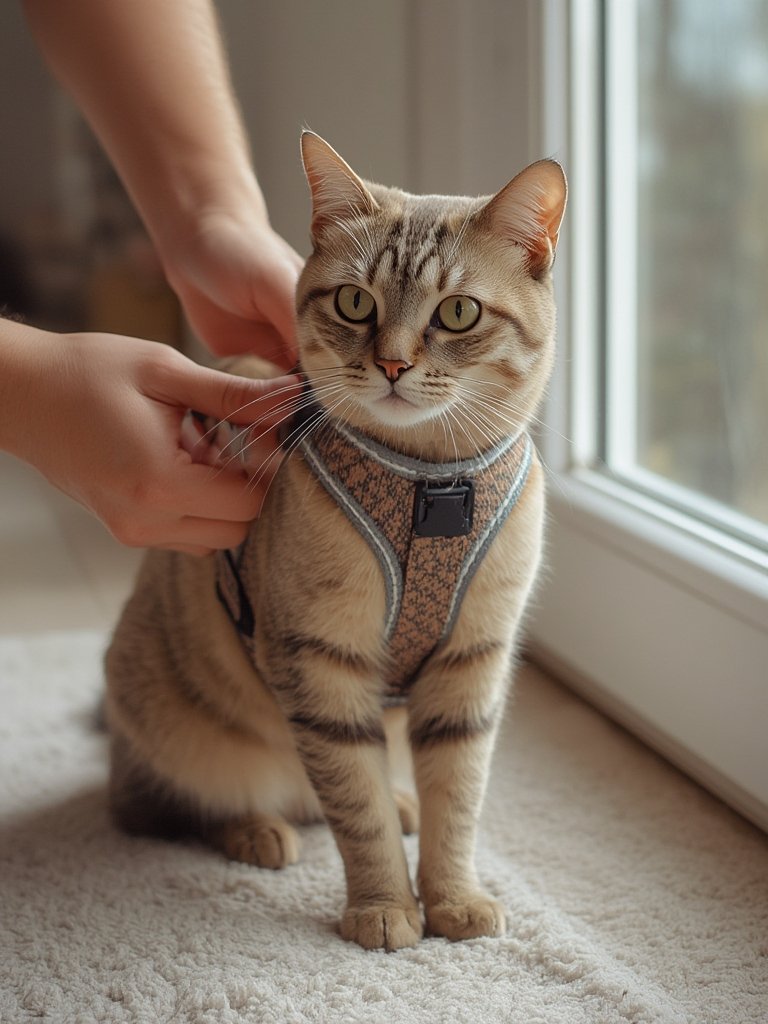
- Pick the right harness style. Look for an adjustable, lightweight harness—typically H or vest style—for the most secure and comfortable fit. Avoid heavy or rigid designs. Check if the harness allows two fingers to slide comfortably between your cat’s body and the straps. Nylon is widely recommended by training guides for its adjustability and safety releases.
- Test indoors first. Let your cat sniff, investigate, and even play with the harness before putting it on. Give treats and praise for any calm interaction.
- Fit the harness gradually. Start with brief sessions indoors—just a few minutes (4 to 5), as vets recommend. Reward positive behavior, and remove the harness before your cat shows signs of distress like freezing, hiding, or flopping.
- Attach a non-retractable leash. Retractable models are not recommended due to snapback risk and poor control. Use a lightweight, fixed-length leash for early sessions.
- First steps with the leash. Let your cat drag the leash inside, supervised. Only pick up the leash after several positive sessions to avoid startling them.
- Go outdoors—carefully. The first trip outside should be very short. Pick up your cat and carry them outside before letting them explore. Never let them dash out of the door on their own, as this forms dangerous habits, especially with escape-prone cats.
- Monitor closely and stop at signs of stress. Panting, frantic escape attempts, freezing, or vocalizing are signals to end the session. Not every cat will succeed in harness training; be prepared to try alternatives like catios or secure strollers if needed.
- Keep ID, microchip, and flea treatments up to date. Even the best harness may fail, so always prepare for accidental escapes.
If your cat never tolerates harnesses despite gradual training, don’t force it. Many cats are happier—and safer—enjoying fresh air from a secure window perch, outdoor cat enclosure, or a stroller built for pets. Coverage of these alternatives is often missing from mainstream guides but is strongly recommended by both veterinarians and animal charities. Explore more feline enrichment alternatives and stress management tools in our cat food for urinary health and eco friendly cat litter guides.
Advanced Analysis and Common Pitfalls
While retailers market “escape proof” cat harness and leash sets, actual reported problems often have less to do with the harness and more with user error, poor fit, or a mismatch between product and cat. Here’s a breakdown of the most common issues and the reality behind them, plus overlooked risks and competitor messaging gaps:
| Risk/Problem | Details | What Data Says | How to Avoid |
|---|---|---|---|
| Escape despite “escape proof” claim | Cats wriggle out due to poor fit or wrong harness shape | No harness is truly escape-proof; success depends on fit and training (source). | Follow 2-finger rule for fit; check adjustment points; avoid low-quality buckles. |
| Unwilling or stressed cat | Many cats freeze, flop, or fight the harness; some never adapt | Stress can be severe, especially in territorial or sensitive cats (source). | Watch for signs of distress; stop if your cat panics. Consider alternatives like catios or secure strollers. |
| Bulky/uncomfortable harness | Padded or stiff materials can cause chafing or restrict movement | Real-world reviews highlight comfort as a recurring issue (source). | Choose lightweight, flexible materials and avoid over-padded vests. |
| Poor user guidance in most articles | Competing guides skip prevalence data, stress signals, and alternatives | Surveys show only 15% use harnesses—most guides miss this context (source). | Seek realistic sources, consider your cat’s individual needs, and manage expectations before you start. |
Despite the hype, no major innovations or new technologies have emerged in cat harness design since 2024. Some owners look to GPS trackers or pet backpacks for extra reassurance, but these often prove too bulky or impractical for longer-term use (source). There’s also a large education gap—mainstream guides rarely mention that some cats are fundamentally unsuited to harnesses. Cats that repeatedly panic or freeze should instead enjoy enrichment through puzzle toys or mental stimulation, as covered in our mental enrichment guides.
Conclusion
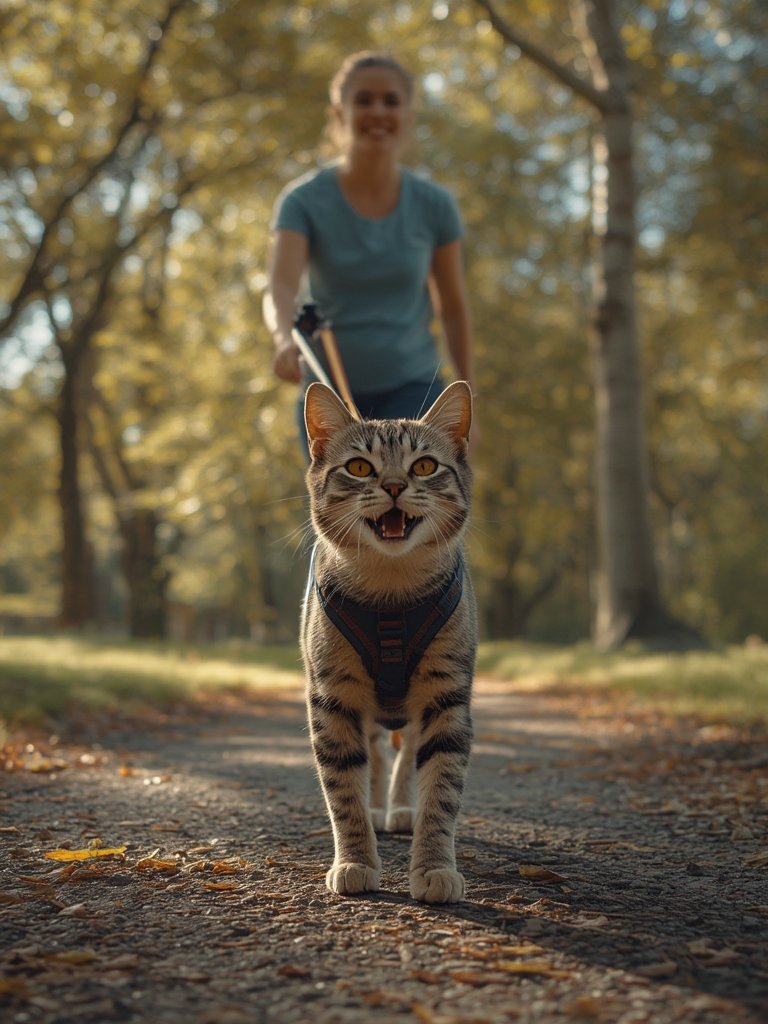
A cat harness and leash set offers city cats and their people a new kind of adventure—but only with realistic expectations, the right fit, and patience. Remember that only a minority of cats thrive outdoors on a harness, as 2024 statistics show. If your cat seems stressed or fearful, do not force the process; try alternatives like catios or interactive toys instead. Ultimately, your cat’s welfare comes first.
Ready to learn more about feline enrichment, safe grooming, or keeping your home fresh? Check out our guides to pet deodorizer, antifungal wipes for dogs, and AirTag cat collar vs. GPS for more ways to keep your pet healthy and happy. Start your harness training journey today—just remember, your cat harness and leash set is only as safe and fun as your preparation.
FAQ
How do I choose the correct size cat harness and leash set?
Measure your cat’s chest and neck with a soft tape measure, then compare those to the harness sizing guide. A correct fit allows two fingers to slide between the harness and your cat. Adjustable straps are best for a customized fit as your cat grows or changes weight.
Is it safe to use a harness and leash with any indoor cat?
No. Some cats are extremely stressed when restrained or are too fearful of the outdoors. If your cat shows signs of panic, freezing, or persistent distress, try alternatives like a catio, secure window perch, or interactive toys for enrichment.
What should I do if my cat escapes the harness outside?
Stay calm, avoid chasing, and call gently to your cat while staying low to the ground. Have treats handy to lure them. Make sure your cat is microchipped and wearing ID before every outing, as harnesses can fail even with the best fit and training.
Are there major differences between “escape proof” harness brands?
While some offer extra adjustments or safety features, no harness is truly escape proof. Reputable brands use high-quality materials and buckles, but user training and proper fit matter more than brand name.
How much should I expect to spend on a high-quality cat harness and leash set?
No up-to-date pricing comparisons are available for 2024. Expect costs to vary based on material and design. Focus on reviews and fit rather than price alone when choosing.
[…] Monitor Closely For Stress Signs Some cats will freeze, fall over, or try to wriggle out—these are all stress signals. Remove the costume after a minute or two and reward your cat for their participation. Gradually work up to brief photo sessions. For extra safety and enrichment, review escape-proof cat harness options like an escape-proof cat harness. […]