



### Blog Post:
Orthopedic dog bed options have become a must-have for many large breed dog owners looking to improve comfort, mobility, and joint issues—but do they truly deliver on their promises, and what should you watch out for before buying?
Key Takeaways
- Orthopedic dog beds are widely recommended for large breeds with joint issues, but there is little objective research proving their therapeutic benefits.
- Durability, genuine orthopedic support, and safety are common concerns—especially for heavy, active dogs prone to arthritis or hip dysplasia.
- Understanding the details—like foam type, thickness, and cover material—is critical for making a smart, long-lasting investment.
- What Is an Orthopedic Dog Bed, and Why Does It Matter?
- How to Choose and Use an Orthopedic Dog Bed (Step-by-Step Guide)
- Advanced Analysis and Common Pitfalls
- Conclusion
- Frequently Asked Questions
What Is an Orthopedic Dog Bed, and Why Does It Matter?
Orthopedic dog beds are specialized sleep surfaces designed to support the joints, spine, and body weight of large and senior dogs, especially those experiencing arthritis, hip dysplasia, or post-surgical recovery. Unlike regular beds, they typically use high-density memory foam or structured foam to cushion pressure points consistently, offering potential comfort advantages for breeds like Labradors, Goldens, and German Shepherds. This support may help reduce stiffness and encourage better rest, which is essential as large dogs age or recover from injuries.

Veterinarians often recommend orthopedic designs for older or heavier breeds, but the market is saturated with beds labeled “orthopedic”—from egg-crate foam pads to premium memory foam mattresses. While demand is growing due to increased pet aging and joint issues (source), independent market studies confirm that no current clinical evidence proves measurable health improvements just from using these beds. Instead, recommendations are largely based on expert consensus rather than published research.
With the cost of pet care and products rising, and large breed ownership common among active families, choosing the right orthopedic bed requires more scrutiny than ever.
How to Choose and Use an Orthopedic Dog Bed (Step-by-Step Guide)
Shopping for an orthopedic dog bed for a large breed? Use these straightforward steps to avoid wasting money and ensure your dog gets lasting comfort and support.
- Confirm the Need: Check for mobility or stiffness issues, and consult your vet to confirm whether your dog would truly benefit from orthopedic support versus a standard bed. Dogs with arthritis, post-op recovery, or genetic conditions (like hip dysplasia) stand to gain the most.
- Measure for Size: Your bed should be large enough for your dog to stretch out fully. Add several inches to your dog’s length and width—don’t rely on vague terms like “XXL” or “Giant.”
- Scrutinize the Foam: Insist on solid, high-density memory foam or orthopedic foam. Egg-crate toppers are more common in budget models but tend to flatten quickly—problematic with heavier dogs. Look for specs indicating thickness (ideally 4 to 7 inches for large breeds).
- Assess Cover Quality: Seek out washable, tear-resistant, and water-repellent covers. Hypoallergenic or cooling covers are ideal for dogs prone to allergies or overheating. Also check out antimicrobial or antibacterial features, especially if your dog is susceptible to skin problems. Learn more about these features in our review of medicated shampoo for dogs.
- Evaluate Durability & Safety: For chewers or active breeds, seek beds labeled chew-resistant or with reinforced seams. Ask for certifications on materials for non-toxicity, especially if your dog has sensitive skin or allergies.
- Review Warranty & Returns: Since foam may sag or lose support over time (especially for dogs above 75 lbs), choose brands that offer multi-year warranties covering structural integrity. Watch for trial periods that allow at-home testing with easy returns.
- Maintenance: Wash covers frequently—with a pet-safe laundry solution or deodorizer (see our guide to the best pet deodorizer). Inspect the foam for indentations or loss of shape at least every 6 months. Replace as needed to guarantee ongoing support.
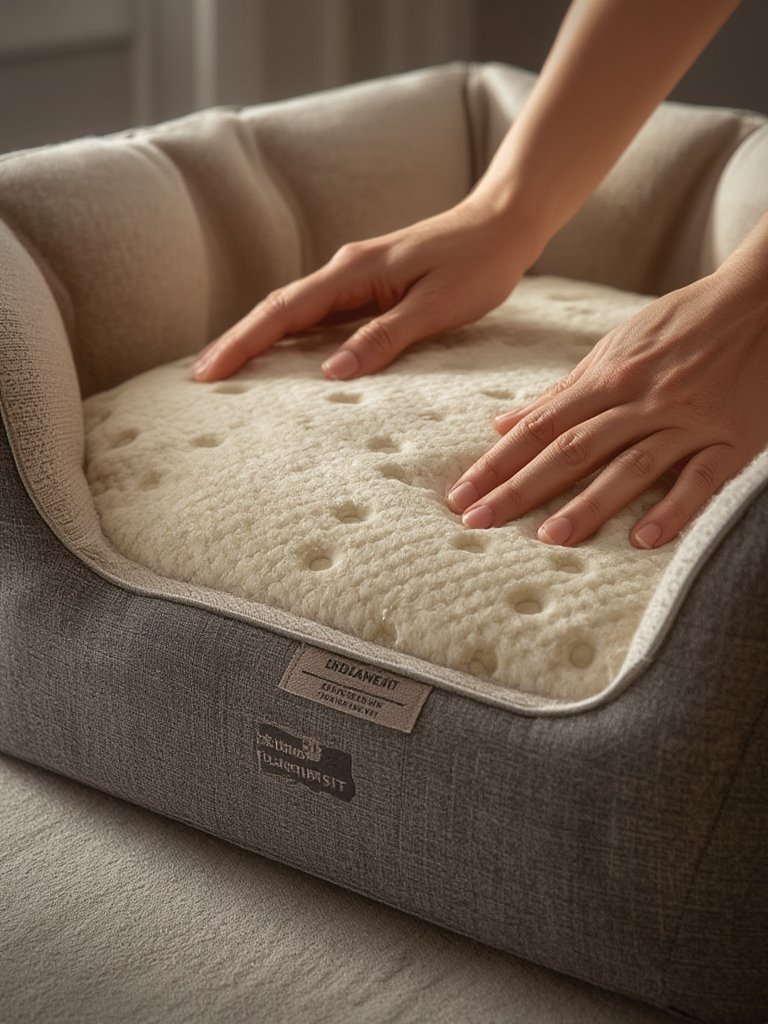
If your dog has ongoing skin or coat issues that complicate bed hygiene, consider products highlighted in our antifungal wipes for dogs and de-shedding shampoo reviews. They may reduce the frequency of deep cleans needed for your orthopedic bed’s cover.
Finally, always supervise initial use. Many dogs are suspicious of new surfaces and may chew or reject the mattress before getting used to it—offer rewards or gently coax them onto the bed, especially if transitioning from a thin pad or blanket.
Advanced Analysis and Common Pitfalls
Orthopedic dog bed marketing suggests therapeutic results, but evidence is limited. Here’s what most owners and even some advanced buyers stumble over:
- Lack of Verified Results: While experts often suggest orthopedic beds for joint health, most sources and 2024 reports admit there are still no published clinical studies directly confirming mobility improvements for large breeds or faster recovery post-injury.
- Misleading “Orthopedic” Claims: Many manufacturers label any padded dog bed as “orthopedic.” Unless specific foam density and construction info is disclosed, consider such claims questionable for supportive needs.
- Durability Gaps: Repeated owner complaints (especially for heavy or active dogs) often center around sagging foam and torn covers without robust, double-stitched seams. Egg-crate and shredded foam models are prone to flatten quickly.
- Lack of Standardization: There are no standardized certifications for orthopedic beds for pets—unlike some therapeutic human mattresses. Companies rarely publish foam density or toxicity test results.
- Chew and Allergic Safety: Chew resistance and hypoallergenic features are uncommon among mainstream “orthopedic” beds. Owners of destructive dogs or those with allergy-prone pets must look for rare specialty models.
| Brand/Model | Key Features | Cost/Warranty/Specs |
|---|---|---|
| Mid-West Metal Products Orthopedic Crate Mats | High-density memory foam, egg-crate inserts | Not published (Source) |
| Barker Sofa Edition | Enhanced joint support for large breeds | Not published (Source) |
| FurHaven Premium Faux-Fur | Multiple sizes, orthopedic focus | Not published (Source) |
| K9 Ballistics, Big Barker | Marketed for extra-large breeds | No published comparisons (Video Review) |
For owners worried about recurring odors, check out our step-by-step guide to the best dog deodorizers. If skin health is top-of-mind, reference our top-rated dog shampoos for further support between washes.

Lastly, remember: PetMD’s vet panel recommends orthopedic beds but highlights no scientific study verifying improved joint health or recovery. Purchases should be driven by critical review of specs, proven comfort, and warranty—not unverified marketing claims.
Conclusion
Orthopedic dog beds offer potential comfort and support for large breeds dealing with joint issues, aging, or recovery—but real-world owner satisfaction still depends on scrutinizing foam quality, build, and warranty. Solid memory foam, washable covers, and robust construction should be your non-negotiables.
Ready to invest in your dog’s mobility and comfort? Review leading models carefully, check sizing and materials, and never settle for vague “orthopedic” labels. The right orthopedic dog bed can help your large breed rest easier—if you choose and maintain it wisely.
Take action today: Choose a bed with clear specs, genuine support, and a satisfaction guarantee.
Frequently Asked Questions
Are orthopedic dog beds worth it for healthy, young large breeds?
Orthopedic beds can be very comfortable for any dog, but the biggest benefits are for large, senior, or arthritic breeds. If your dog is healthy and young, a standard thick foam bed may offer similar support at a lower cost.
How can I tell if a dog bed is truly “orthopedic”?
The key indicators are solid, high-density memory foam (at least 4 inches for large breeds) and stated foam density. Egg-crate or shredded foam beds are often marketed as orthopedic but lack adequate support for big dogs.
Do orthopedic dog beds have scientific backing?
No published scientific studies directly support health improvements from orthopedic beds for dogs. Recommendations are based on veterinary expert consensus and common sense rather than clinical research.
What maintenance do orthopedic beds require?
Regularly wash the outer cover, vacuum the surface, and check foam for sagging or loss of shape every few months. Replace the bed if support fails or if you notice recurring odors that washes can’t remove.
Can I use additional health products with orthopedic beds?
Yes. Use antibacterial wipes, de-shedding and medicated shampoos, or odor removers to support skin health and keep your bed clean. See our guides on medicated shampoo for dogs and deshedding shampoo for dogs for tips.
—
[…] for dogs, and is easy to clean. Choose orthopedic or memory foam beds for older or large breeds (memory foam dog bed large breed). Avoid materials prone to bunching or those that your dog may chew and […]
[…] if your priority is warmth, coolness, portability, or orthopedic support. For example, orthopedic dog beds address joint health […]
[…] Dog bed durability tips […]