


### Blog Post:
Cat water fountain adoption has surged among pet owners in 2024 as research reveals cats overwhelmingly prefer flowing water, and these devices can boost feline hydration, supporting kidney and urinary health. But are fountains truly a game-changer, and what do the latest statistics and real-life user experiences reveal about setup, cost, and long-term satisfaction?
Key Takeaways
- 83% of cat owners report their cats prefer fountains to bowls, leading to a significant increase in daily water intake and improved health.
- The main pain points include cleaning frequency, filter replacement costs, and occasional concerns about noise or malfunction in automatic models.
- Price, materials, and advanced features (app connectivity, filtration alerts) differentiate models, but even budget choices deliver substantial benefits for most cats.
- What is a Cat Water Fountain & Why Does It Matter?
- Step-by-Step: Choosing and Using a Cat Water Fountain
- Advanced Analysis & Common Pitfalls
- Conclusion
- Frequently Asked Questions
What is a Cat Water Fountain & Why Does It Matter?
A cat water fountain is an automatic device that circulates fresh water, encouraging cats to drink more by mimicking natural streams. In 2024, the global cat water fountain market reached $1.5 billion, driven by rising awareness of feline hydration and health. These fountains employ electric pumps with multi-stage filtration, keeping water fresher than traditional bowls and helping owners prevent issues like kidney disease and urinary infections.
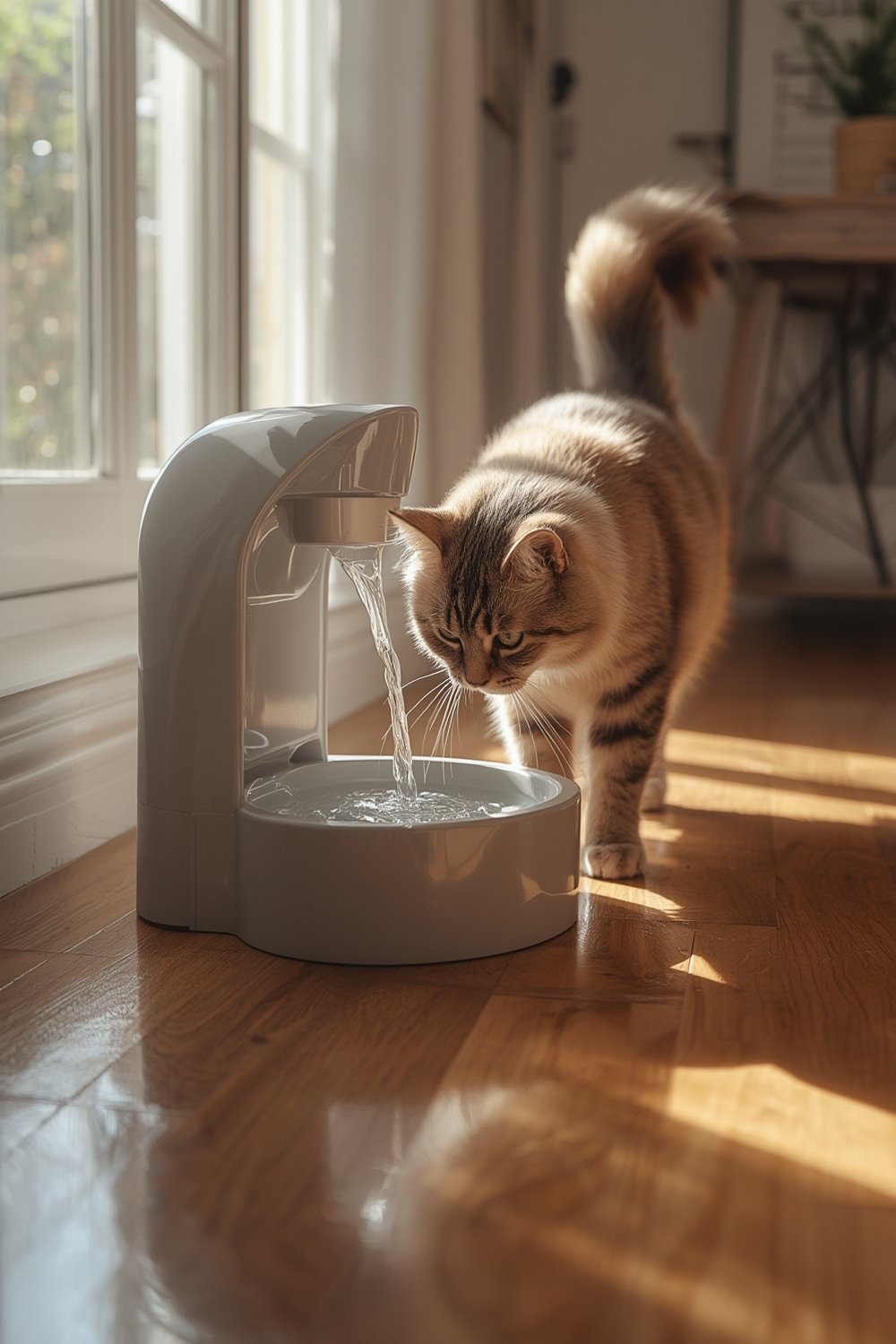
Unlike static bowls that quickly gather debris and bacteria, cat water fountains provide flowing water, maintaining higher oxygen levels. According to clinical studies, cats drink up to 70% more from fountains than from bowls. This boost is critical as chronic kidney disease accounts for 30-40% of feline vet visits. Cat fountains aren’t just for pampered pets—they’re a practical investment in long-term wellness.
The growth of smart features—like app integration and real-time water usage monitoring—reflects the evolving expectations of pet parents. Still, even cost-effective models that focus on robust filtration and easy cleaning can deliver meaningful benefits. For cat owners new to hydration gadgets, the most common hurdle is understanding maintenance routines and how different materials affect durability and hygiene.
Step-by-Step: Choosing and Using a Cat Water Fountain
-
Assess Your Cat’s Drinking Habits.
Is your cat ignoring the water bowl, or showing interest in bathroom faucets? Fountains can trigger natural instincts, encouraging more frequent drinking. Households with multiple cats may notice some felines use the fountain far more than others in the same home. -
Pick the Right Material and Size.
Plastic fountains dominate the affordable segment and hold 45% market share, but stainless steel models are gaining traction (8% CAGR) due to better hygiene and durability. Choose a basin large enough for your cats to access comfortably, and easy to disassemble for cleaning. -
Compare Features by Budget.
Advanced models offer automated filtration, UV sterilization, app alerts for water changes and filter replacements, and ultra-quiet operation. Smart fountains suit tech-savvy households, while basic plug-and-play models are sufficient for most owners. -
Read User Reviews Focused on Maintenance and Noise.
Common complaints are high initial cost, frequent cleaning, or “buzzing” from low-cost models. Carefully consider reviews on ease of cleaning, noise (especially at night), and how often filters actually need swapping. -
Set Up & Monitor Initial Usage.
Introduce the fountain by removing the regular bowl to avoid confusion. Track your cat’s interest and how often you need to refill—cats typically drink more, so be prepared for increased water usage and replacement filters. -
Establish a Maintenance Routine.
Most manufacturers recommend cleaning every week and replacing filters monthly, depending on use. Stainless steel options last longer and resist biofilm buildup better than plastic but be sure to follow the manufacturer’s care advice for all parts.
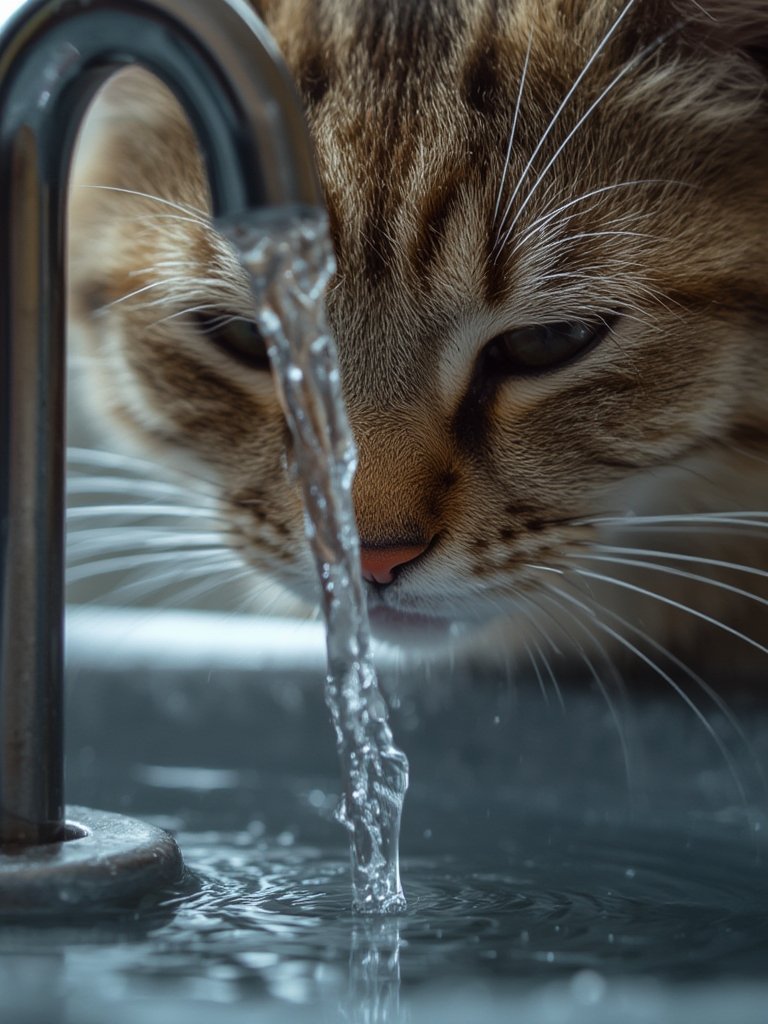
A properly maintained fountain can extend your cat’s healthspan and lower long-term vet bills. Be realistic—weekly rinsing and monthly filter swaps take effort but can save your cat from expensive urinary or kidney complications.
Want even more feline wellness hacks? Consider complementary tools like urinary care cat food or a pet air purifier to create a healthier, more inviting environment for your cats.
If your cat is picky about hydration and you already use gadgets like a smart automatic pet feeder, integrating a fountain naturally fits into a modern cat care routine.
And if you struggle with water mess around bowls, try pairing a fountain with an antifungal wipe for tidy paws, or explore other trending solutions in tofu cat litter for eco-friendly, odor-controlled homes.
Advanced Analysis & Common Pitfalls
While cat water fountains offer proven benefits, owners should be aware of several practical downsides and buyer pain points reported in 2024:
- Maintenance Fatigue: Regular cleaning and filter changes pile up, and skipping them leads to pump clogs or mold buildup.
- High Operating Costs: Filters can cost $2 to $6 per month, and proprietary replacements for some models are hard to source or expensive, especially among smart fountains.
- Noise & Tech Issues: Even “quiet” pumps may generate humming or buzzing noises; some cats are startled and won’t drink if noise exceeds their tolerance.
- Safety Concerns: Malfunctioning electric units or poor-quality power cords pose rare but real hazards.
- Upfront Investment: While many models are under $50, premium stainless steel or smart fountains can cost $100+, making traditional bowls appealing for budget-focused owners.
| Feature | Budget Plastic Model | Mid-Range Stainless Steel | Smart Fountain |
|---|---|---|---|
| Market Share | 45% | Growing Fast | Emerging |
| Noise | Moderate to Loud | Quiet | Ultra Quiet |
| Cleaning Frequency | Weekly | Weekly/Biweekly | Monthly (Self-Cleaning) |
| Filter Cost/Month | $2-3 | $3-4 | $4-6 |
| Durability | 1-2 Years | 3-5 Years | 3-5 Years |
| Advanced Features | Basic Filtration | Improved Filtration, UV | app alerts, Water Data, Self Cleaning |
Surveys show 83% of cats prefer fountains, yet long-term satisfaction depends on choosing the right model for your home and habits. For more on cleaning regimes for pet gadgets, visit our automatic pet feeder cleaning guide.
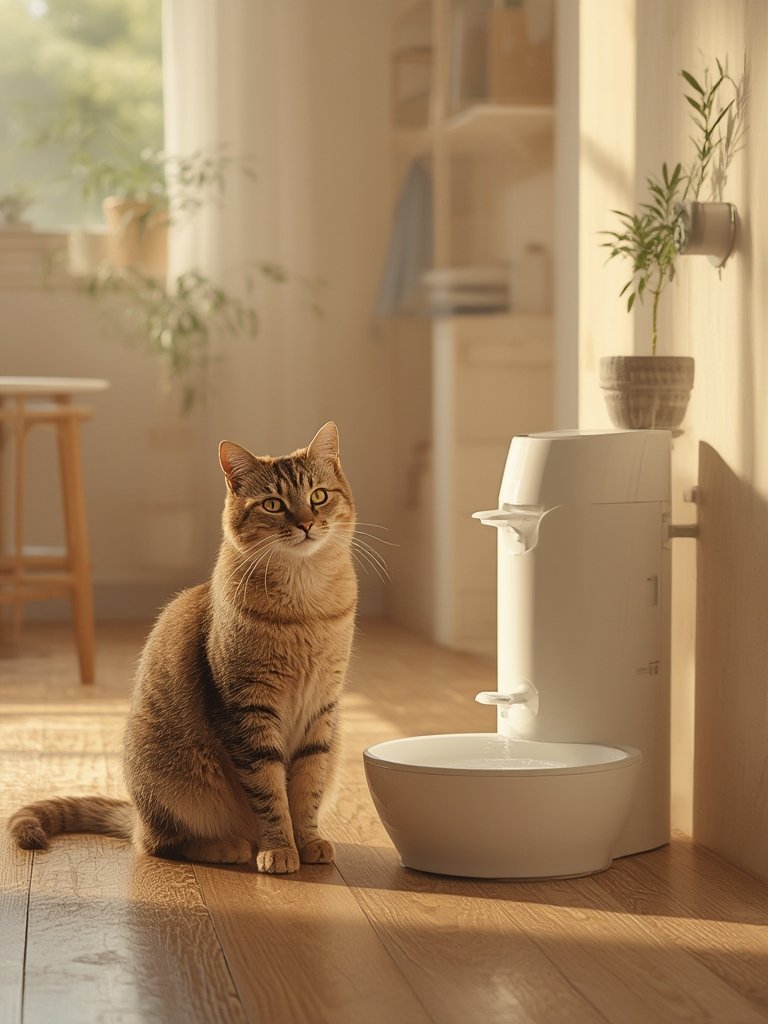
Globally, North America accounts for 40% and Western Europe for 30% of fountain sales, showing the trend is mature in high-income markets. Yet, specific 2024 household-level adoption rates are unpublished. Many buyers new to automatic hydration may underestimate the involvement—skipping filter changes or cleaning leads to noisy, clogged pumps and may shorten product lifespan.
For households concerned about additional allergens or odors, see our reviews on pet deodorizer and pet camera solutions for a full-spectrum approach to modern cat care.
For in-depth market statistics, see:
- Cat Drinking Fountain Market Report
- Global Pet Water Fountain Market Overview
- Feline Hydration Research & Stats
Conclusion
Cat water fountains offer real, measurable benefits for feline health—cats drink more, risk of kidney and urinary issues declines, and flowing water stays fresher longer. Maintenance effort and filter costs are the main trade-offs for most owners. If you want to dramatically improve your cat’s hydration and wellness, a cat water fountain is one of the most effective upgrades you can make in 2024.
Ready to optimize your cat’s drinking habits? Compare models, read real reviews, and invest in a fountain that meets your unique needs. Your cat’s kidneys will thank you.
Frequently Asked Questions
How often should I clean my cat water fountain?
Most manufacturers recommend cleaning every week. If multiple cats use the fountain, consider cleaning more often. Always check the product manual for specific advice.
Are replacement filters expensive or hard to find?
It depends on the brand. Generic filters for popular models are $2 to $4 each, but some brands require proprietary filters that cost more. Always check filter availability before buying a fountain.
What material is best: plastic, ceramic, or stainless steel?
Stainless steel is most hygienic and durable but costs more. Plastic is light and affordable but may harbor bacteria if not cleaned often. Ceramic fountains offer easy cleaning but can be fragile.
Do cats really drink more from fountains vs bowls?
Yes. Veterinary research shows cats consume up to 70% more water when using a flowing fountain compared to static bowls, reducing their risk of kidney and urinary issues.
Are automatic cat water fountains noisy?
Most modern models are designed to run quietly, but budget fountains can produce humming or buzzing noises. Checking reviews and trying the fountain in a quiet room is a smart approach.
—
[…] brands deliver. For a full look at modern feline enrichment and complementary products, read about automatic cat water fountains or explore the eco benefits of tofu cat […]
[…] the water bowl. Cat fountains keep water moving and fresh, which appeals to picky drinkers. Review automatic cat water fountains for effectiveness and ease of […]
[…] working is adaptation. If you want to further optimize your pet care routine, explore topics like cat water fountains, automatic litter boxes, or deshedding shampoos on our blog. Ready for a calmer, happier work-day? […]
[…] resources. For more advanced enrichment tips, see our guides on keeping kittens entertained and the best cat water fountains to maintain hydration after […]
[…] Cat Water Fountain Cats are often drawn to moving water. Water fountains circulate and filter the water, keeping it cool and fresh. In a recent survey, 26.2% of cats preferred drinking from fountains over bowls [source]. If you want to compare features and the best picks, check our automatic cat water fountain guide. […]
[…] a Water Fountain Many cats are drawn to moving water. A cat water fountain continuously circulates and filters water, making it fresher and more enticing. This often helps […]