


### Blog Post:
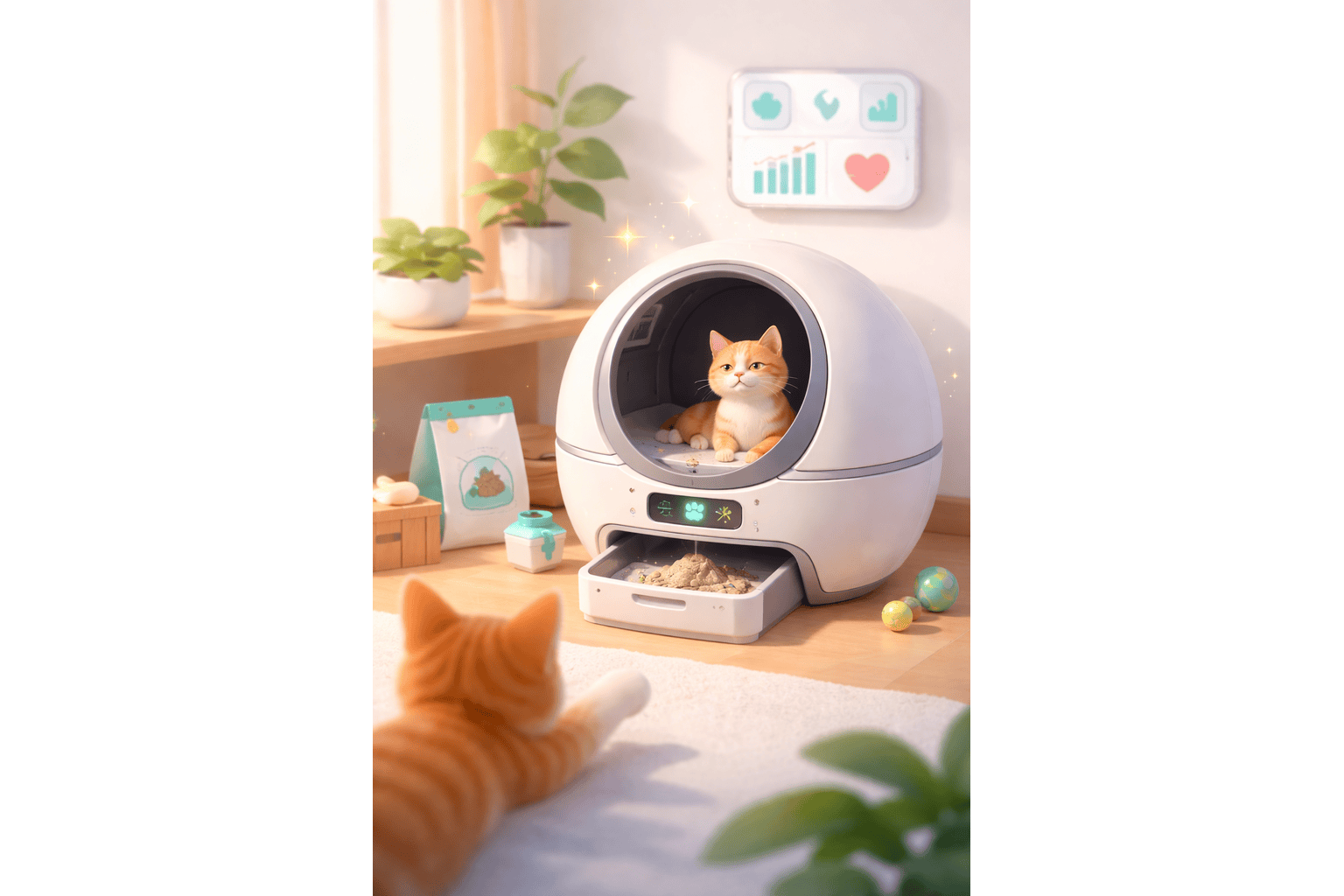
automatic litter box systems are quickly replacing traditional scooping, offering cat owners hands-off cleaning, better hygiene, and even health monitoring—all while raising new concerns about cost, maintenance, and cat acceptance. If you’re thinking about upgrading your cat’s bathroom, read on for everything you need to know, backed by current market data and real-world user experiences.
Key Takeaways
- The automatic litter box market is booming, integrating health monitoring, app controls, and eco-conscious features—but usually at a premium price.
- Success depends on long-term reliability, genuine odor control, and ensuring your cat actually uses the device.
- Hidden costs (subscriptions, maintenance) and behavioral hurdles are often underestimated—smart shopping and realistic expectations are critical.
- What Is an Automatic Litter Box and Why Are They Everywhere?
- How to Choose and Use an Automatic Litter Box: Step-by-Step Guide
- Advanced Analysis & Common Pitfalls: What Can Go Wrong?
- Conclusion
- FAQ
What Is an Automatic Litter Box and Why Are They Everywhere?
Automated litter boxes detect, separate, and store cat waste with minimal owner intervention. Using sensors, motorized rakes, rotating drums, or gravity-triggered mechanisms, these devices promise to end daily scooping, contain odors, and—on newer models—even analyze usage for signs of urinary infections or other health issues. The automatic litter box industry has exploded: in 2024, experts estimate the global market at anywhere from $559 million to nearly $2 billion, with a predicted compounded growth rate of 6 to 7% through 2030. [Stellar Market Research]
Why the surge? Pet ownership is up worldwide, with over 370 million cats in homes globally. Owners now demand odor control, convenience, smart home connectivity, reduced “scooping guilt,” and even data on their cats’ health. Leading brands like Litter-Robot, Breville, and PetSafe have embraced Wi-Fi, app tracking, and quieter, more reliable cleaning mechanisms. But all this automation comes at a real cost—financially and sometimes behaviorally.
How to Choose and Use an Automatic Litter Box: Step-by-Step Guide
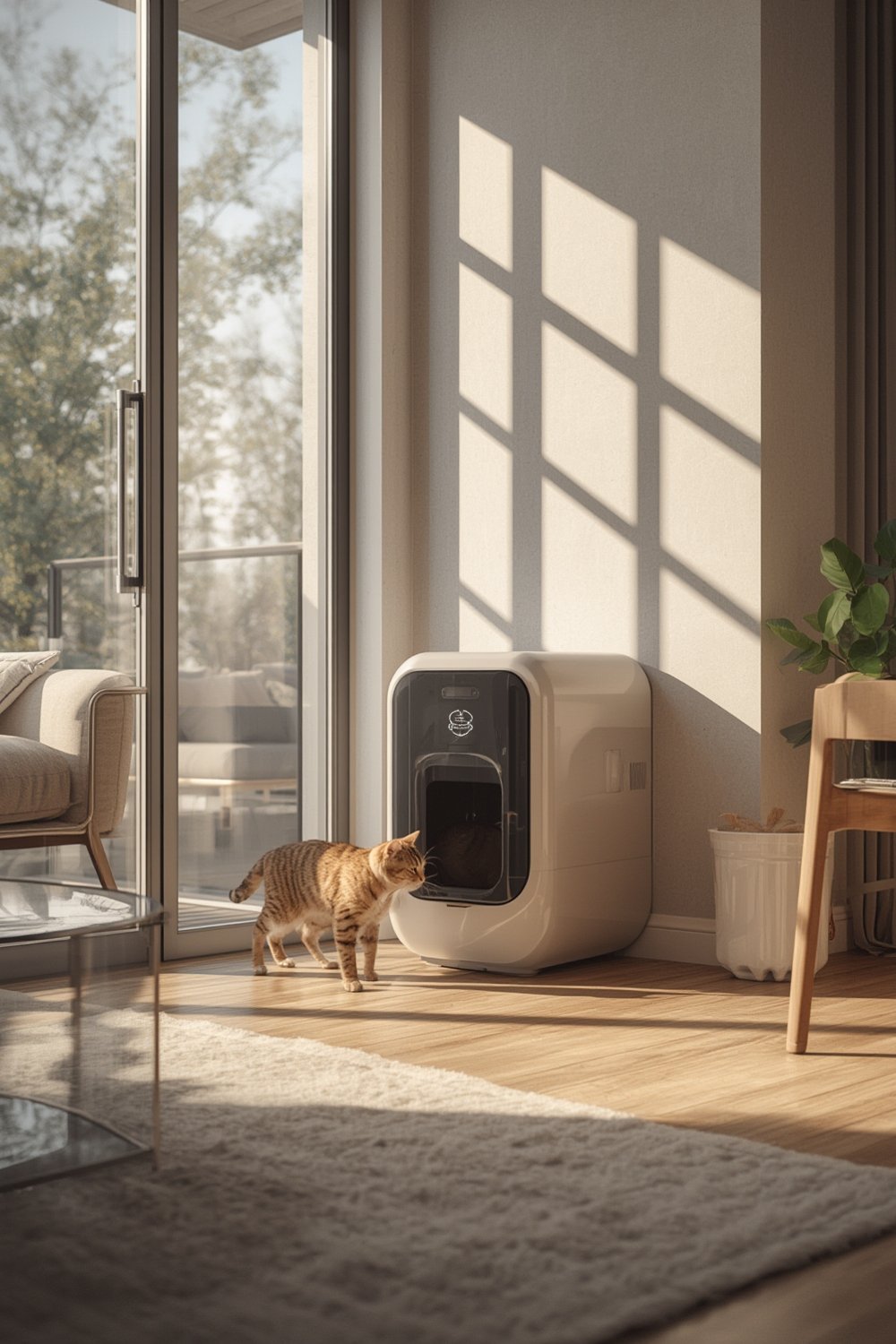
Choosing the right automatic litter box is not just about picking the latest model. Here’s how to make an informed choice—and succeed in daily use:
- Assess Your Budget Honestly
Initial prices often start near $150 and easily top $600 for flagship models like PETKIT Pura Max or Litter-Robot. Budget for extra costs—Wi-Fi subscription, branded waste cartridges, replacement filters, or tech support. Subscription fees are rarely disclosed on packaging but can become a sizable annual expense. - Consider Your Cat’s Personality
Cats are sensitive. Some adapt quickly to new sounds, sizes, or smells—others refuse, risking elimination issues. If your cat is skittish or easily stressed (especially with covered boxes or moving parts), expect a more involved transition period. - Research Health & Safety Features
Look for units offering real-time health monitoring, safety sensors to prevent operation while the cat is present, and easy-access waste drawers. Some models now offer app notifications about changes in waste frequency—useful for catching issues like UTIs early (IMARC Group). - Check for Odor Control and Multi-Cat Functionality
If you have more than one cat, confirm that the box is rated for multi-cat use, and read up on real-world odor containment. Newer designs offer multi-layered filters, QuietSift motors, and sealed waste compartments, but results vary widely. - Understand Technical Set-Up and Maintenance
Automatic litter boxes aren’t plug-and-play. Expect Wi-Fi setup, app installations, Bluetooth pairing, and regular cleaning and maintenance. Check whether the box requires special litter, branded trays, or difficult installation—these drive up long-term costs.
You’ll find more on transitions and enrichment in our lick mat for dogs guide, which also applies to cats seeking comfort or stress relief.
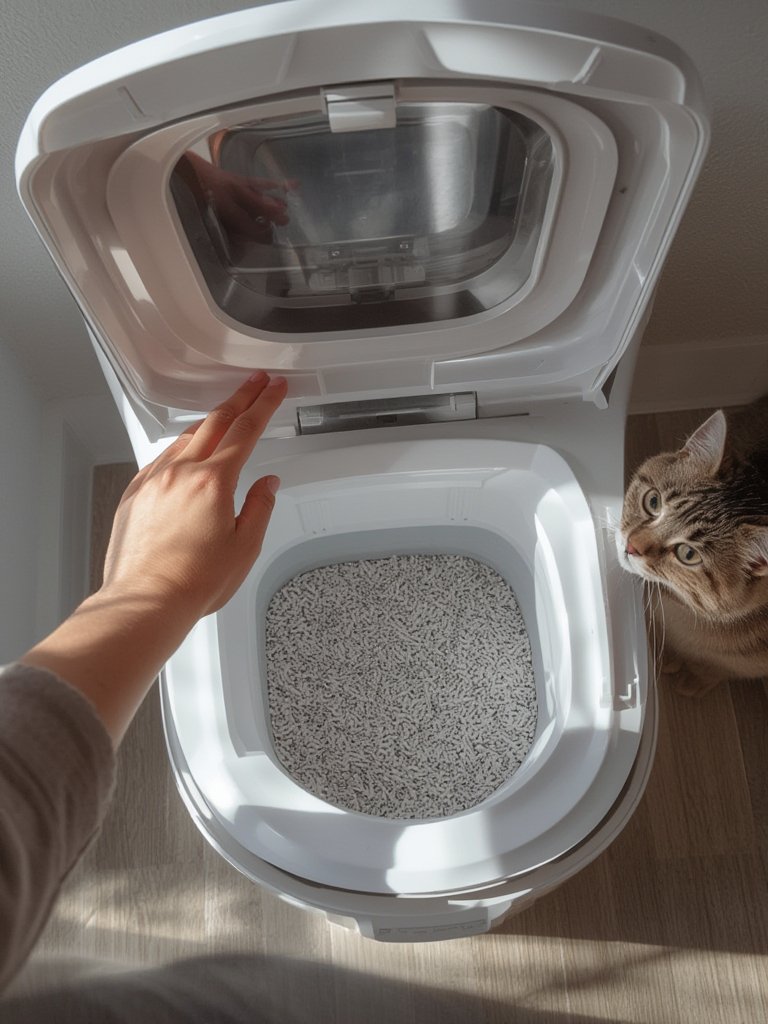
Finally, always secure your cat’s health by keeping fresh filtered water available. An cat water fountain encourages hydration, lowering the risk of urinary problems—especially when paired with an automatic litter box that flags health changes.
Advanced Analysis & Common Pitfalls: What Can Go Wrong?
Now for the honest truth: Not every automatic litter box delivers on its promises. Based on up-to-date research and owner reviews, here’s where things get complicated:
- High Ongoing Costs: Beyond the sticker price, ongoing expenses often include replacement trays, proprietary litter packs, subscription apps, Wi-Fi modules, and filters. Budgeting is crucial. Pricing transparency remains a known industry issue (Grand View Research).
- Device Malfunctions: Rake jams, sensor errors, waste drawer leaks, and Wi-Fi outages are common. Some brands require paid tech support or hardware replacement after warranty periods expire.
- Partial Odor Control: Older units or budget models may only slightly improve odor. Top-performing versions use advanced filter cartridges and total waste enclosure (like the PETKIT Pura Max).
- Cat Behavioral Resistance: Nervous or senior cats sometimes avoid the moving, noisy, or closed nature of automatic boxes, resulting in peeing outside the box or refusal to transition.
- Long-Term Reliability & Subscription Issues: Many units require recurring costs for branded trays or Wi-Fi access. Cancellation of subscriptions may trigger loss of core functions.
| Feature/Cost | Entry-Level Model | Premium Model |
|---|---|---|
| Initial Price | $150–$250 | $500–$750 |
| Subscription Fees (Annual) | None or $40–$60 (optional) | $100–$200 (Wi-Fi/app, trays, filters) |
| Maintenance (Monthly) | $5–$10 | $15–$30 |
| Odor Control Effectiveness | Variable | High (multi-layer filters, sealed drawers) |
| Health Monitoring | Rare | Common (Wi-Fi/app models) |
| Multi-Cat Rated | Occasional | Often |
If odor remains an issue, supplement with a high-quality pet deodorizer and consider environmental upgrades, like a pet air purifier to cut airborne allergens, a concern in multi-cat homes.
Top 3 Overlooked Issues Not Covered by Most Reviews
- Long-Term Reliability & Maintenance Costs: Brands seldom publish long-term repair rates, and few owner reviews track reliability over more than 18 months. Expect to budget for eventual part replacements.
- Cat Adjustment & Behavioral Success: Adoption rates vary. Success is higher with early introduction, positive reinforcement, and providing a familiar scent. Consider using a urinary care cat food to reduce accidents while your cat adjusts.
- Lack of Transparent Subscription Models: Some major brands (including leaders like Litter-Robot and ScoopFree) use proprietary tech or disposable trays, with ongoing access fees or required refills that drive up the total cost of ownership (PR Newswire).
Conclusion
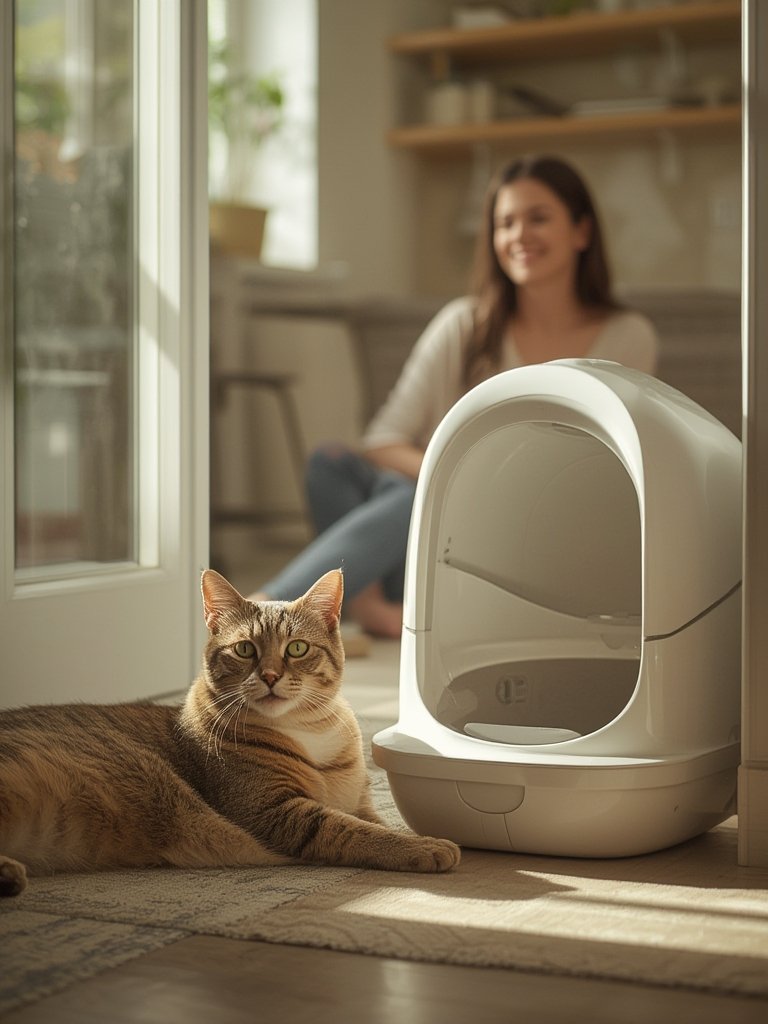
The automatic litter box market is growing fast and packed with advanced features, but carefully weigh the benefits of automation against your budget, your cat’s personality, and your tolerance for ongoing maintenance and subscription costs. Choose wisely, transition slowly, and never underestimate the importance of owner involvement during the first weeks. A well-chosen automatic litter box can deliver true hygiene and hands-off convenience—but only if it fits your real-world needs. Ready to upgrade your cat’s routine? Start with brands that allow returns and offer robust support, and set realistic expectations for the best results.
Explore more about pet technology and wellness with our in-depth guides, like smart automatic pet feeders or the rising trend of tofu cat litter for eco-friendly odor control.
FAQ
How do automatic litter boxes detect and clean waste?
Most use weight-activated or infrared sensors to detect when your cat leaves the box. The box then triggers a mechanical rake or rotating drum to separate and move clumped waste into a sealed compartment, minimizing odor and manual scooping.
Are automatic litter boxes safe for cats?
Top models include safety sensors to prevent cleaning cycles when your cat is present. Always choose boxes with reliable fail-safe mechanisms. No significant safety risks have been documented in recent research, but supervision is advised during the first few days.
What ongoing costs should I expect with an automatic litter box?
Expect to pay for replacement filters, branded waste trays or bags, recurring Wi-Fi or app subscriptions for some models, and occasional tech support if malfunctions occur. These costs can add up, so review brand-specific fee structures before you buy.
Do automatic litter boxes really eliminate odor?
The best-performing automatic litter boxes greatly reduce odor using sealed waste compartments and multi-layer filters. However, lower-priced models or poor maintenance can still lead to smells. Supplement with a trusted pet deodorizer if needed.
How well do cats adapt to these devices?
Most young, curious, or food-motivated cats adapt with a slow, positive transition. Nervous, elderly, or strictly routine-oriented cats may struggle. Use familiar litter, gradual introduction, and keep your old box available for at least one week.
—
[…] guides to pet cameras or automatic litter boxes for more high-tech […]
[…] from enrichment play or dirty litter areas, consider incorporating a automatic litter box or an automatic litter box to help keep your workspace fresh and stress […]