


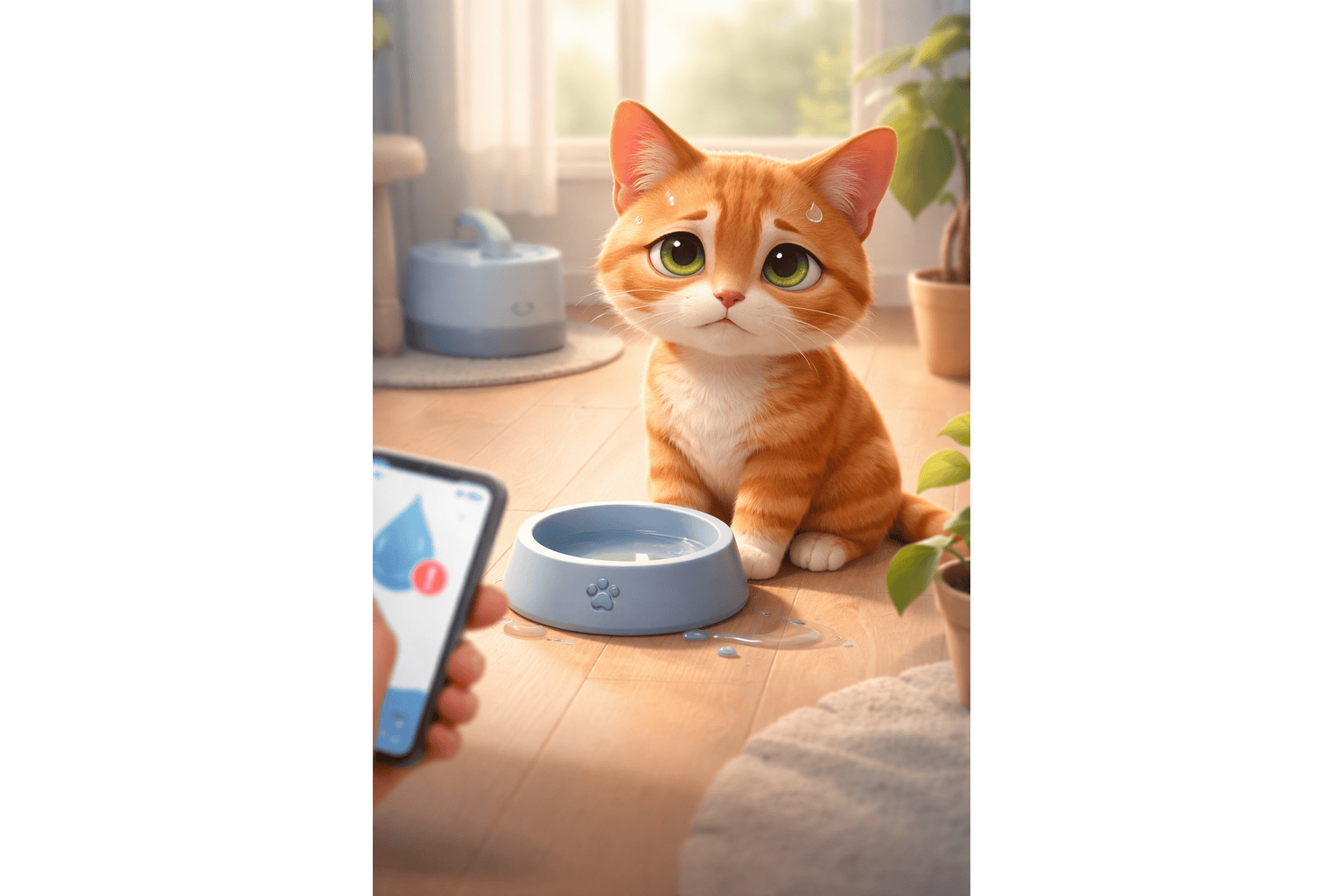
How often should cats drink water is a question every cat owner needs answered to keep their pet healthy. Most cats hide signs of dehydration until it’s advanced, and not drinking enough can quickly lead to health crises. Understanding your cat’s hydration needs today prevents costly vet trips tomorrow.
Key Takeaways
- Cats should drink 44–66 ml of water per kg of body weight every day, including moisture from food.
- Dry food diets require more supplemental water—wet food provides significant hydration.
- Watch for subtle dehydration: less urination, low energy, and rapid health declines can occur if ignored.
- Why Cat Hydration Matters
- Daily Cat Hydration: Step-by-Step Guide
- Realistic Pitfalls and Advanced Hydration Tips
- Conclusion
- FAQ
Why Cat Hydration Matters
Cats are notorious for not drinking enough water. Their ancestors lived in arid regions, so modern housecats often don’t feel thirsty until dehydration is severe. A healthy cat needs about 44–66 ml (1.5–2.2 ounces) of water per kilo bodyweight each day, coming from both food and drinking water. For a 10-pound adult cat, that’s around 237–297 ml daily—about 1 cup of water, adjusting for age and health status [source].
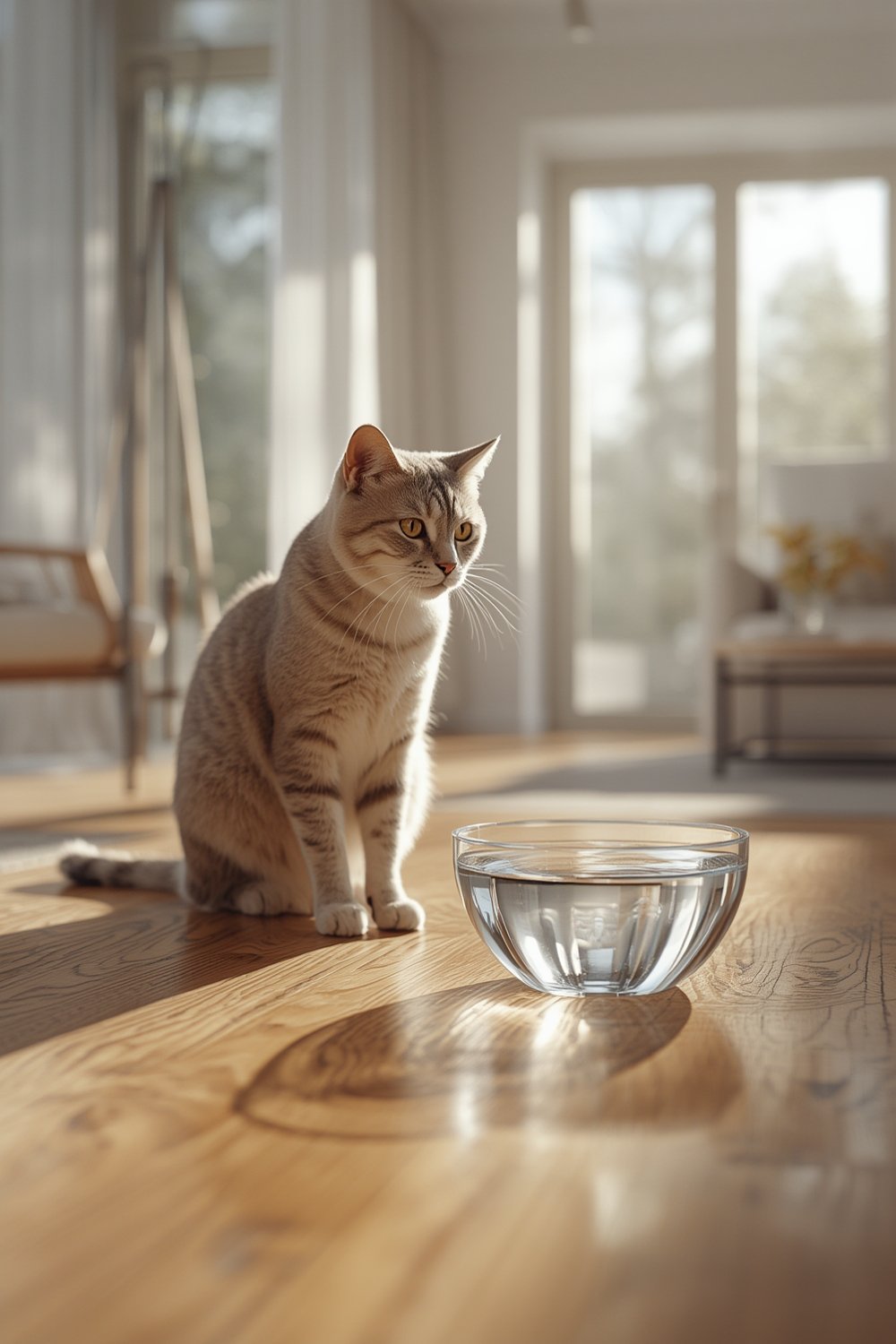
Diet makes a big difference. Cats eating dry food need more water because kibble contains only about 10% moisture. Wet food, in contrast, is 65–80% water, so cats eating mostly canned diets may drink less but are still hydrated [source]. Activity level, temperature, and health status also impact water requirements. Cats with kidney, thyroid, or urinary issues may suddenly need much more water or even fluid therapy, which you should always discuss with a veterinarian [fluid therapy guidelines].
Under-hydration can quickly turn life-threatening, so making water accessible and appealing is essential. Watch for subtle signs your cat isn’t getting enough, like less urination, lethargy, or a dry nose.
Daily Cat Hydration: Step-by-Step Guide
Hydrating your cat properly isn’t complicated, but it requires real attention and adaptation. Follow these steps to cover all bases and avoid the common pitfalls that leave most cats under-hydrated:
Step 1: Estimate Your Cat’s Water Needs
Calculate based on weight and diet. Most healthy adult cats need 44–66 ml/kg daily, or about 1 ounce per pound per day, including food moisture. Kittens and sick cats need even closer monitoring [reference].
Step 2: Monitor All Water Sources
Track how much your cat eats and drinks. If feeding dry food only, the water bowl is crucial. Wet food counts towards daily hydration, so drinking from the bowl will decrease. Cats mostly eating wet food may not drink much, and that’s normal.
Step 3: Use Hydration Boosters
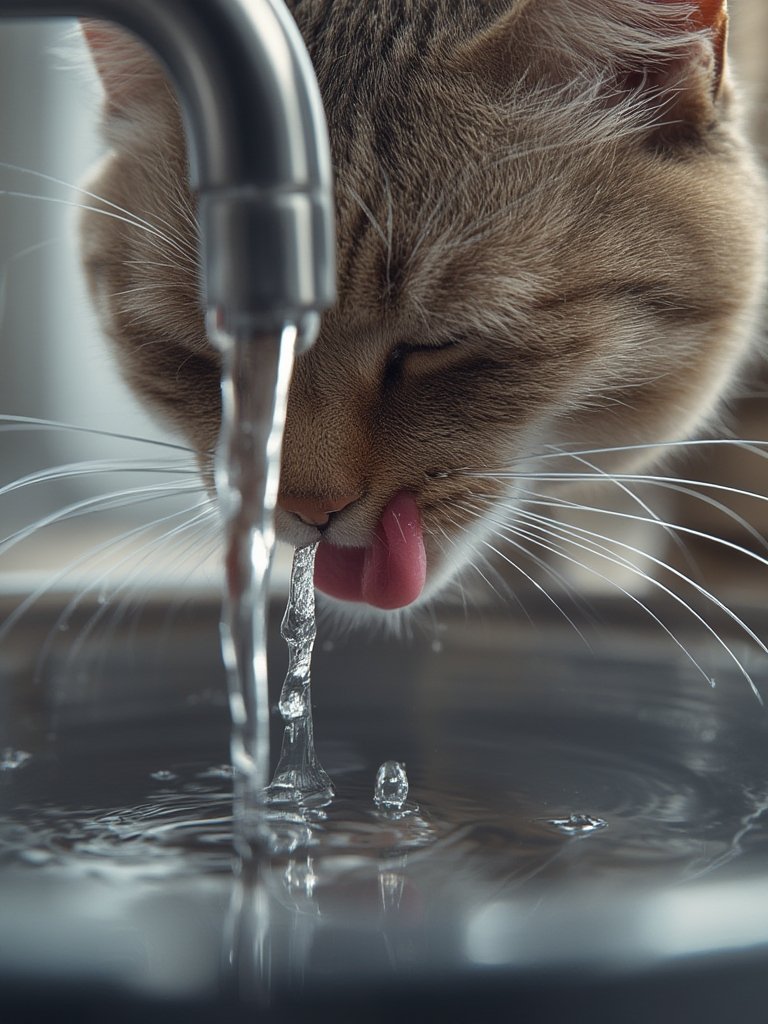
Try adding pet-safe broth (no onions or garlic), water toppers, or ice cubes to the water bowl. Cat fountains keep water moving and fresh, which appeals to picky drinkers. Review automatic cat water fountains for effectiveness and ease of cleaning.
Step 4: Keep Water Bowls Clean and Fresh
Change water daily, clean bowls frequently, and use ceramic or stainless steel bowls to avoid plastic taste. Dirty bowls or stale water are major deterrents, and cats will avoid drinking if their bowls smell off.
Step 5: Watch for Subtle Dehydration Signs
Notice changes in litter box frequency, dry gums, listlessness, or sudden weight loss—these may signal dehydration. If you see your cat drinking a lot more (over 500ml/day) or suddenly less, consult a vet. For more on diet and urinary care, see our deep dive on urinary care cat food options.
Step 6: Address Special Health Needs
Cats with kidney issues, diabetes, or those on certain medications can have altered hydration requirements. Always follow your veterinarian’s guidance, and check the updated AAHA fluid guidelines for complex cases.
Step 7: Provide Enrichment to Encourage Drinking
Some owners find that interactive toys—like those in our smart cat toy buying guide—help keep cats active, indirectly increasing thirst and water intake. Mental stimulation plays a role in promoting healthy routines, including hydration.
Step 8: Consider Water Quality
Tap water can sometimes taste off due to mineral content or chlorine, and cats have sensitive noses. filtered water, or even bottled, may encourage more drinking. If you struggle with pet allergens, a pet air purifier can also help keep the feeding area feeling fresher and more inviting.
Realistic Pitfalls and Advanced Hydration Tips
Even with the right strategy, many cat owners face stubborn hydration problems. Let’s look at common pitfalls and ways to sidestep them.
Common Pitfalls in Cat Hydration
| Issue | Why It Happens | Signs | Fixes |
|---|---|---|---|
| Ignoring Low Water Intake | Cats rarely show thirst—many drink only 40–60% of needed amount on kibble | Hard stools, less urination, poor coat | Use wet food, move bowls, try fountains |
| Bowl Placement Errors | Bowls too close to litter or food result in avoidance | Intact water but untouched for days | Separate water from food/litter, use several locations |
| Poor Water Quality | Plastic leaching, stagnant or contaminated water | Cats sniff but do not drink | Switch to ceramic/metal, change water daily, consider filtration |
| Assuming All Drinking is Normal | Sudden high intake may indicate diabetes or kidney issues | Very frequent visits, excessive bowl refills | Contact a vet if intakes rise above 500ml/day |
| Single Bowl for Multi-Cat Households | Competition limits access, dominant cats block shy ones | Some cats drinking much less | Provide multiple bowls or fountains in different rooms |
How Devices and Diet Impact Hydration (Reality Check)
While many claim water fountains “fix” hydration, not all cats will use them. Some are frightened by motor noise or prefer running taps. It’s worth experimenting, but there’s no guarantee. Likewise, while diet swaps (from dry to wet) are the best way to increase intake, picky eaters may resist change.
Cost and Effectiveness: What’s Worth It?
There are dozens of bowls and fountains on the market, but little definitive research on which works best. Anecdotally, fountains help many cats—especially those prone to kidney or urinary issues—but aren’t a magic bullet. Multiple simple bowls remain an effective, budget-friendly option. For more on costs and what to look for, see our cat water fountain guide and review on automatic litter boxes for overall cleanliness.
Conclusion
Cats need daily access to fresh, appealing water, but the answer to how often should cats drink water is nuanced: it depends on diet, health, and environment. By providing multiple fresh water sources, monitoring intake, and acting fast on subtle changes, you’ll keep your cat healthy and comfortable for years to come. Set up your home today for hydration—and for more enrichment ideas, check out our guides on smart toys or consider upgrading with a smart automatic pet feeder. Monitor your cat closely and talk to your vet at the first sign of concern.
FAQ
How much water should my cat drink if they eat only dry food?
Cats on dry food typically require more water: aim for at least 44–66 ml per kilo of bodyweight daily, or about 1 ounce per pound. Ensure bowls are filled and offer wet food or a cat-safe broth to supplement.
Should I be worried if my cat rarely seems to drink?
If your cat eats wet food, low observable drinking is normal. If on dry food and drinking seems minimal, monitor for constipation or dry gums. Try offering multiple bowls or a cat water fountain. If signs of dehydration arise, consult your vet.
What are early signs of cat dehydration?
Look for dry gums, sunken eyes, less elastic skin, lethargy, and reduced urination. These can turn severe quickly—act if you notice them.
Can I use filtered or bottled water for my cat?
Yes. Many cats prefer filtered or bottled water, especially if your household water is highly treated. Always ensure the source is clean and bowls are kept spotless.
When should I call the vet about my cat’s hydration?
If your cat suddenly drinks much more (over 500ml/day) with weight loss, or stops drinking and becomes lethargic, see a vet immediately—these changes can signal serious health problems.