


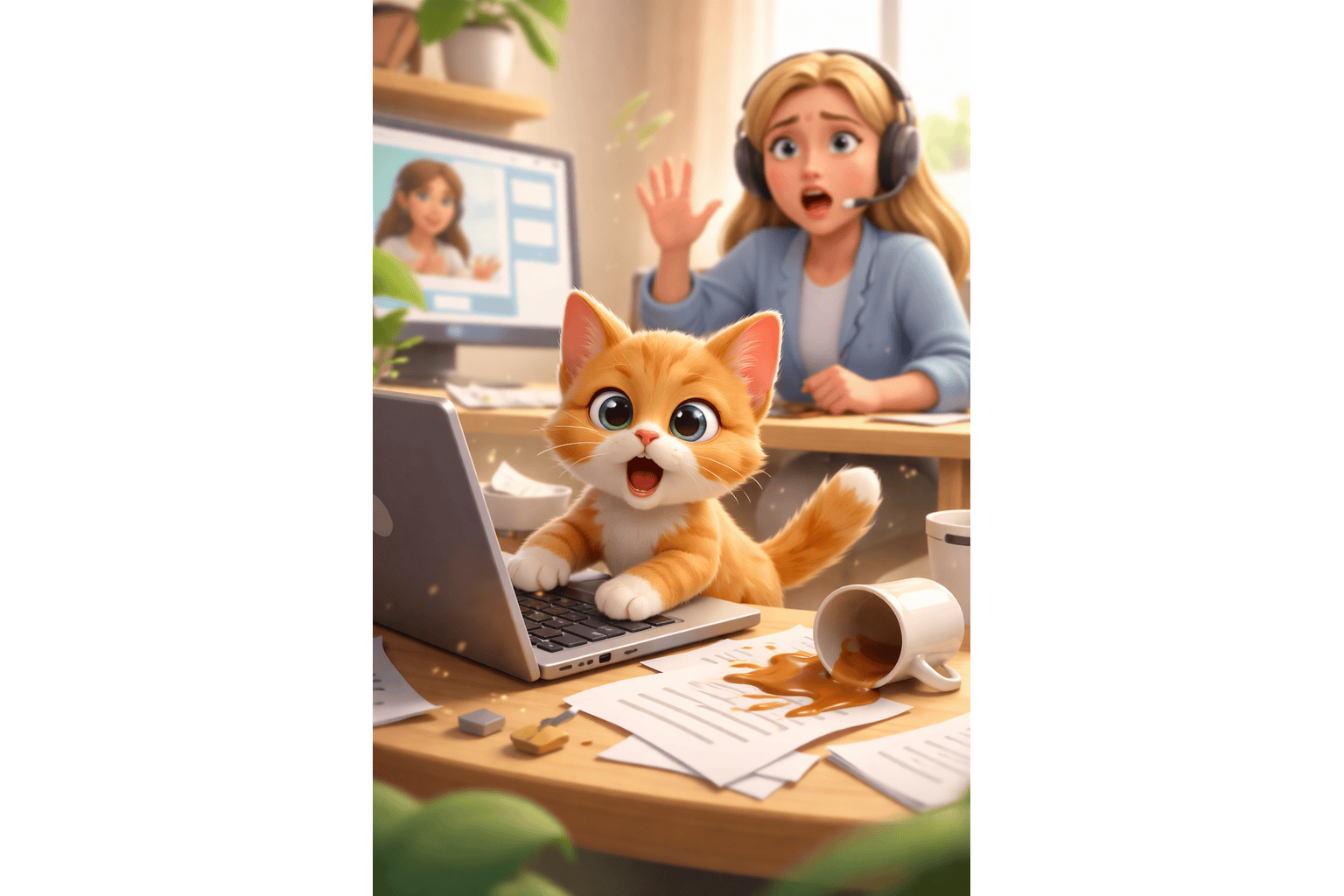
How to keep kitten entertained while working is a challenge that every remote cat parent faces today. If ignored, a bored kitten can cause distraction, mischief, or even stress for both you and your furry friend. Let’s get straight to what works, what doesn’t, and realistic, actionable strategies you can use right away—backed by real behavioral research and practical product ideas.
Key Takeaways
- Kitten boredom can trigger destructive or attention-seeking behavior, which often disrupts your work-from-home rhythm.
- Practical solutions include daily interactive play, rotating toys, puzzle feeders, and using both DIY and commercial enrichment tools.
- There are pitfalls and real limitations—no “set and forget” solution, and technology alone won’t fully solve kitten boredom.
- Why Kitten Boredom During Work-From-Home Matters
- Step-by-Step Guide: Keeping Your Kitten Engaged While You Work
- Advanced Analysis & Common Pitfalls
- Conclusion
- FAQ
Why Kitten Boredom During Work-From-Home Matters
Working from home gives you more time around your kitten, but also introduces unique challenges: kittens pick up on your absence—even if you’re just focused on a laptop. Behavioral research shows that around 22% of cat guardians witness increased attention-seeking when cats lack play, with additional signs like vocalizing (16%) and withdrawal (10.5%) (source).
Common boredom cues, such as excessive meowing, zoomies, destructive scratching, and “interrupting” your workflow, spike when kittens sense you are present but distracted (source). Ignoring these signs risks developing long-term behavioral issues and strains your owner-pet bond.
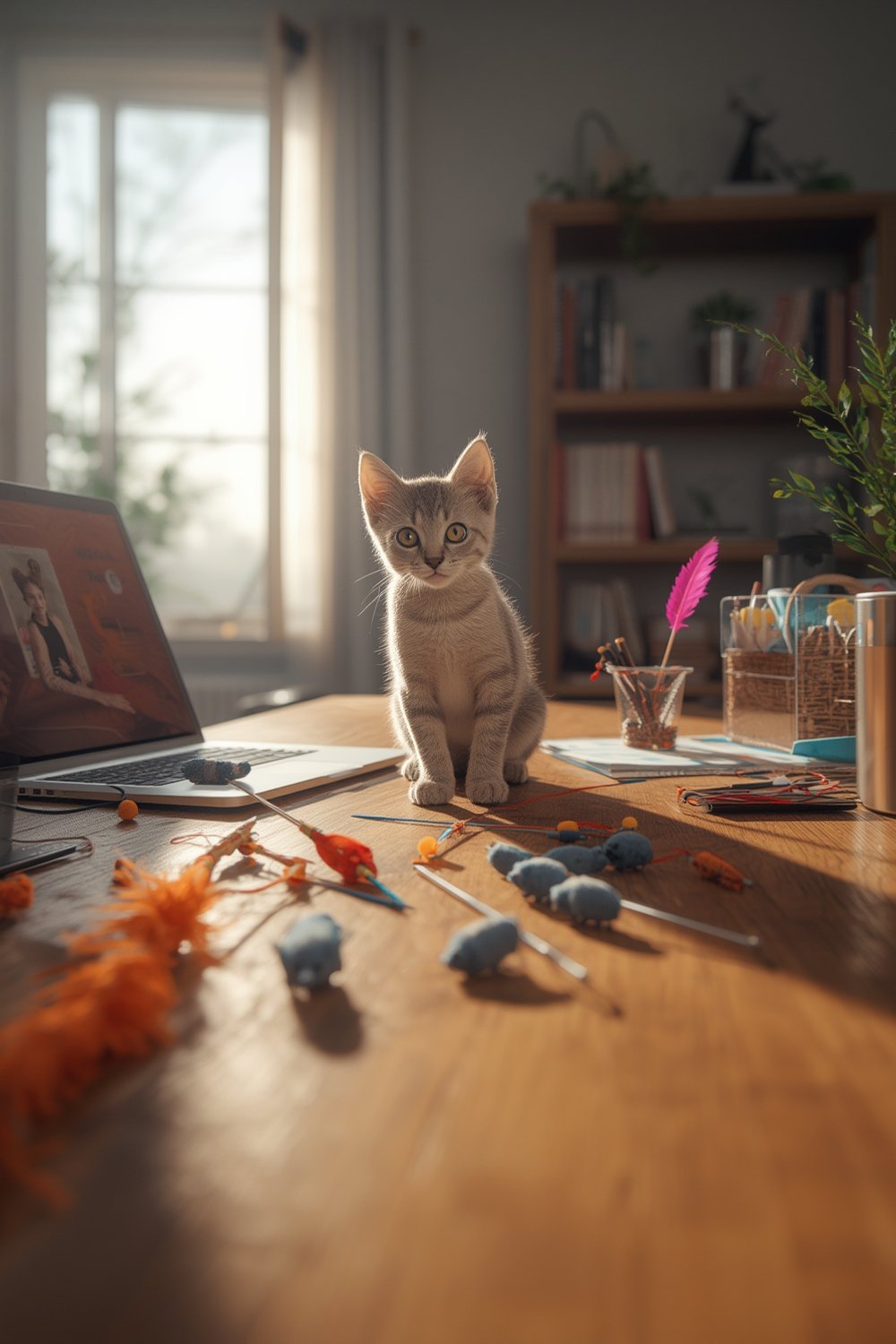
Step-by-Step Guide: Keeping Your Kitten Engaged While You Work
-
Set Up Physical and Mental Activity Zones
Invest in sturdy cat towers, climbing shelves, or a safe window perch. Even a rearranged pile of sturdy boxes or a scratch post nurtures a kitten’s instinct to climb and explore. Rotate locations every week for novelty. For eco-conscious owners, consider using tofu cat litter in these zones—it’s low-dust and gentle for indoor play. -
Use Puzzle Feeders and Interactive Toys
Challenge your kitten at breakfast time with a treat-dispensing ball, snuffle mat, or a DIY puzzle feeder made from a muffin tin and balls. These slow down eating and keep your cat busy with problem-solving.- Rotate toys every 2–3 days to prevent boredom. Studies confirm that variety keeps kittens engaged (source).
For high-tech options, explore smart cat toys that feature motion, auto-feather, or infrared sensors, but be prepared to step in and reset batteries or fix hang-ups.
-
Schedule Focused 5–10 Minute Play Sessions
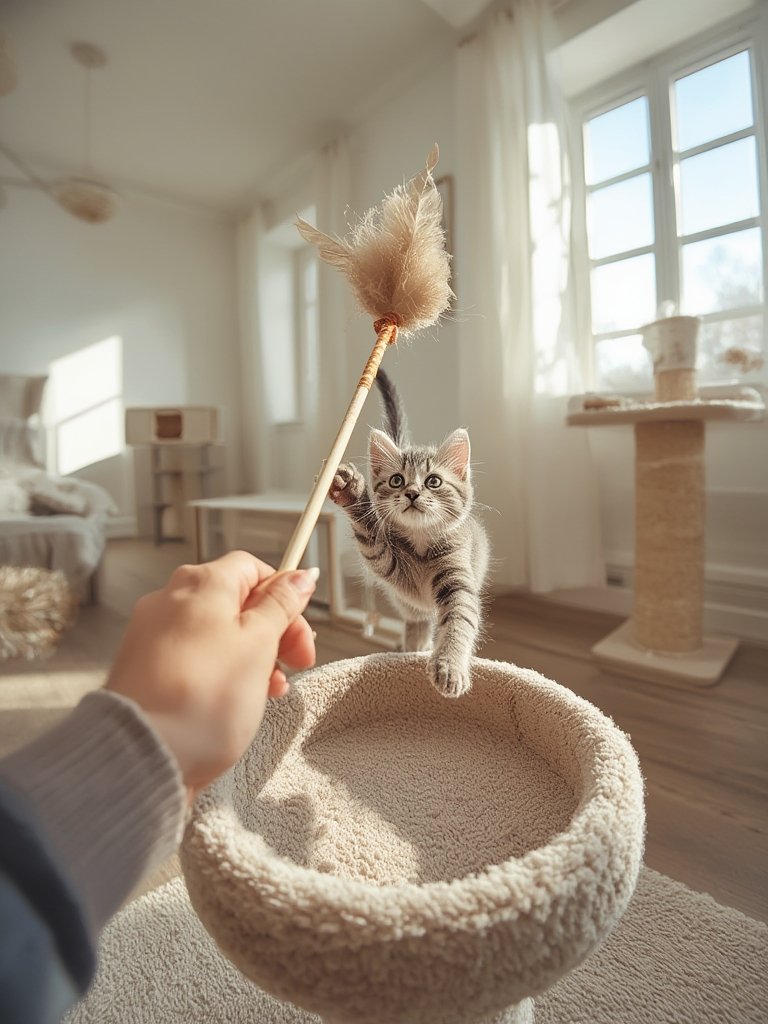
Aim for at least two short sessions during your workday—morning and mid-afternoon. Use wand teasers or chase toys. It’s the quality, not length: consistent play can curb frantic energy later. -
Leverage Safe “Alone Time” Entertainment
Place a bird feeder outside a window perch, set up a safe indoor cat garden with cat-safe plants, or hang a moving mobile just out of reach. For longer days, try a smart automatic pet feeder to break up monotony and feed at set intervals. -
Monitor and Adapt
Use a pet camera if you’re out of the room often. Visually check your kitten’s energy and engagement during breaks—and adapt. If your kitten seems overstimulated, replace noisy electronic toys with soft plushies or tunnels for quiet burrowing.
- DIY cardboard box “mazes” and tunnels are cheap, easy, and can be recycled when worn out—no guilt over durability.
- Switch up environments weekly—move towers, swap out bedding, or add a tracker collar for safety if you let kittens explore enclosed patios or “catios.”
Advanced Analysis & Common Pitfalls
No one-size-fits-all product or schedule fully guarantees a content kitten during your workday. Let’s break down the main challenges, plus realistic drawbacks to expect:
- Short Attention Span: Most kittens lose interest in toys left out all day, no matter how novel. Rotation is critical.
- Tech Limitations: Some automated toys stall, run out of charge, or even frighten sensitive kittens. Always supervise new tech at first.
- Behavioral Risks: Research confirms that boredom or under-stimulation may trigger excessive meowing, attention seeking, destructive furniture scratching, house soiling, or even aggression (KH Pet | Cats Protection).
- Work-Life Clash: Attempting to multitask with an energetic kitten nearby can backfire, leading to distractions or even resentment from your pet if ignored too often.
- Set Realistic Expectations: Kittens under 6 months often require supervision and don’t always entertain themselves safely for hours.
| Solution | Effort to Set Up | Durability | Kitten Engagement | Common Drawbacks |
|---|---|---|---|---|
| DIY Puzzle Feeder | Low | Low–Medium | High (short-term) | Gets messy, needs daily refresh |
| Cat Tower/Tree | Medium (assembly) | High | Medium–High | Pricey, takes up space |
| Automated Toy | Low | Medium | Medium (needs resetting) | Noise, battery dependence |
| Enclosed “Catio” | High (installation) | High | High (daytime only) | Not feasible for all homes |
If you struggle with strong pet odors from enrichment play or dirty litter areas, consider incorporating a automatic litter box or an automatic litter box to help keep your workspace fresh and stress free.

Conclusion
Keeping your kitten engaged while you’re working requires creativity, patience, and flexibility. Rotate toys, add physical and mental stimulation, and factor in real behavioral cues. Understand that no product or plan will fully replace your direct interaction, but consistent effort reduces the chances of negative behaviors—and keeps you productive, too.
Try these strategies today and observe which work best for your home. Remember, the key to mastering how to keep kitten entertained while working is adaptation. If you want to further optimize your pet care routine, explore topics like cat water fountains, automatic litter boxes, or deshedding shampoos on our blog. Ready for a calmer, happier work-day? Start experimenting with these action steps now!
FAQ
What are the top signs my kitten is bored while I’m working?
Typical boredom signals include excessive meowing, pouncing on your hands, destructive furniture scratching, “zoomies” around your workspace, and unusual sleepiness. Overgrooming or house soiling may also occur (source).
How long can I safely leave my kitten to play alone?
There’s no hard veterinary guideline, but kittens under 6 months should not be left unsupervised for longer than a few hours. Try to fit in 2–3 focused play sessions during the day and monitor mood or destructive tendencies.
Are tech toys worth it, or are old-fashioned DIY toys just as good?
Both can help, but tech toys (automated lasers, motion-activated feather toys) can break or startle some kittens. DIY options—like puzzle feeders or box mazes—work as long as you rotate and refresh them often.
My kitten keeps interrupting me during calls. What is the fastest fix?
Use a frozen treat, high-value toy, or puzzle feeder right before meetings. Set up a window perch or rotating toys just out of reach of your workspace to gently redirect attention.
What should I do if my kitten becomes destructive or aggressive despite enrichment?
Pause and reassess—overstimulation, lack of routine, or absence of direct engagement may be factors. Consult your vet if aggression, withdrawal, or soiling persists. Add variety and try earlier, structured play sessions.