



How to make dog crate more comfortable is a question every responsible owner faces as they strive for their pet’s wellbeing—especially when anxiety or restlessness crops up. The wrong crate setup can add stress to daily routines and lead to resistance, whining, or even injuries. This guide gives you practical, research-backed strategies to upgrade your dog’s crate so it’s inviting, safe, and easy to maintain.
Key Takeaways
- Start with positive crate training and avoid negative associations for long-term comfort.
- Choose bedding and accessories for your dog’s size and anxiety level, not just aesthetics.
- Upgrade durability and safety first; comfort comes from the right mix of security and enrichment.
- What Is a Comfortable Dog Crate and Why Does It Matter?
- 5 Actionable Steps to Make a Dog Crate More Comfortable
- Advanced Analysis: Real-World Pitfalls and How to Avoid Them
- Conclusion
- FAQ
What Is a Comfortable Dog Crate and Why Does It Matter?
A comfortable dog crate is more than just a cozy bed. It is a dedicated space where your dog feels secure, calm, and can relax—even when left alone. Making a crate comfortable addresses not just physical needs but also mental and emotional wellbeing, especially since over 70% of owners in 2025 expressed at least some concern about pet anxiety or stress during alone time (dvm360).
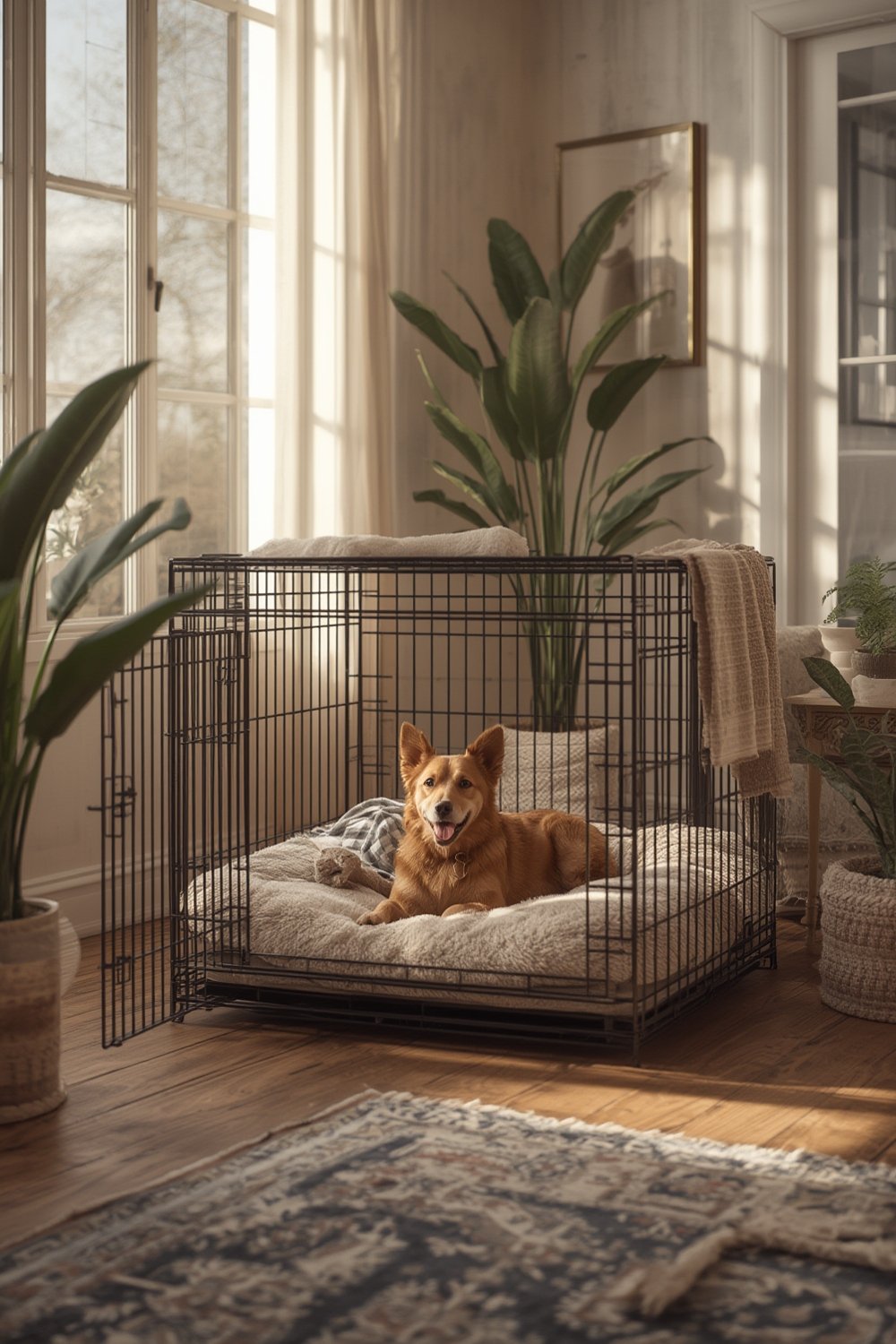
A good setup prevents destructive behavior, reduces separation anxiety, and protects your investment in both crate and pet health. Negative crate experiences—such as using the space only for punishment—tend to make matters worse (PawOrigins).
Unlike other comfort projects, upgrading a dog crate is not about luxury finishes but finding the right combination of training, safety, and sensory appeal. This helps minimize escape attempts, excessive barking, and injuries, which can lead to high vet bills or repeated crate replacements (Impact Dog Crates).
5 Actionable Steps to Make a Dog Crate More Comfortable
-
Establish Only Positive Associations
The first step is to introduce the crate with positive rewards. Never use it as punishment or time out. Calmly guide your dog inside using treats, toys, or feeding meals in the crate. Leave the door open at first to reduce feelings of confinement.
-
Upgrade Bedding for Support and Cleanliness
Use a crate pad that fits snugly, is made for dogs, and is easy to clean. Choose orthopedic or memory foam beds for older or large breeds (memory foam dog bed large breed). Avoid materials prone to bunching or those that your dog may chew and swallow.
-
Add a Crate Cover—with Caution
A cover can help reduce light and noise, mimicking a den-like atmosphere. However, steer clear of heavy blankets that can overheat the crate or trap odors. Use purpose-made, breathable Crate Covers that still allow proper ventilation.
-
Provide Safe, Stimulating Chews and Toys
Offer only safe, durable chew toys or anxiety-relief items like dog anxiety lick mat or anxiety relief treats for dogs. Avoid soft toys with small parts that can pose choking hazards, especially for strong or anxious chewers.
-
Optimize the Crate Location
Place the crate in a quiet, low-traffic area where your dog feels included but not overwhelmed. Avoid direct sunlight or drafty spots. While specific research on lighting and soundproofing is sparse, practical experience shows these factors strongly influence how safe your dog feels inside (Dataintelo).
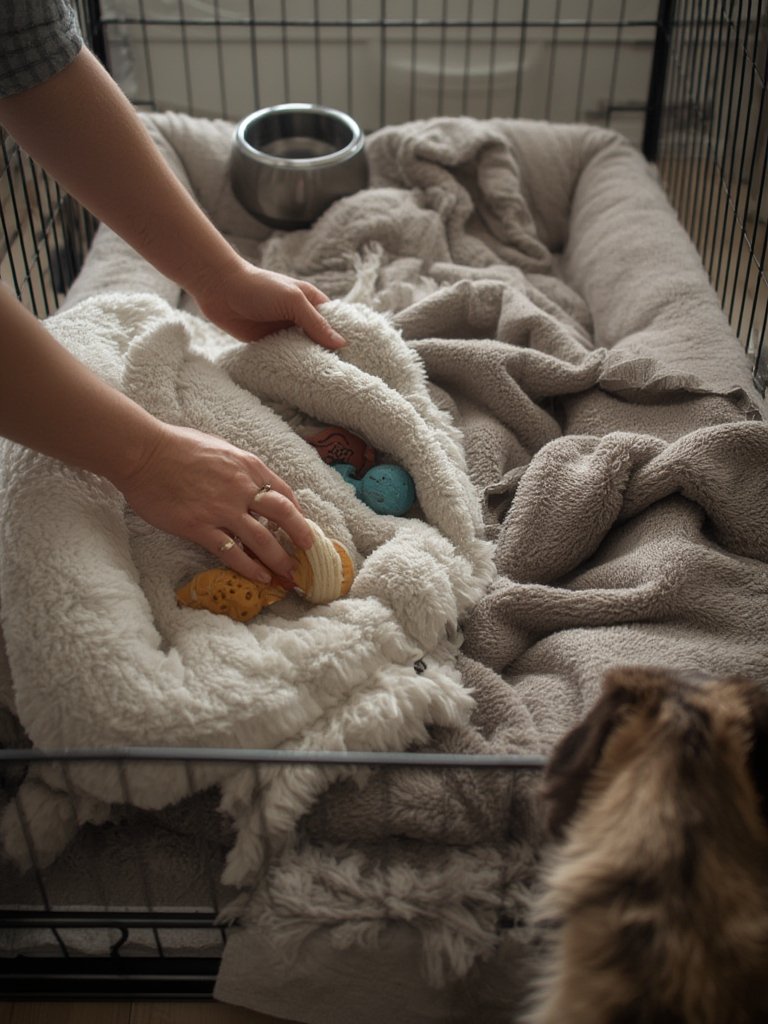
Want to take crate comfort even further? Some pet owners use an air purifier for pet dander near the crate to control odors and improve air quality—especially in apartments or homes with multiple pets.
Lastly, always check your crate hardware for sharp edges, loose bolts, or warping. Upgrade to a high-anxiety dog crate if your pet persistently tries to escape or chews the bars (Impact Dog Crates). Never use thin plastic or cheap wire for anxious dogs.
For overall coat and skin health, learn about routine grooming essentials such as medicated shampoo for dogs—clean, healthy skin will make any dog more comfortable, even in their crate.
Advanced Analysis: Real-World Pitfalls and How to Avoid Them
Making a dog crate more comfortable goes beyond fluffy bedding and Instagram aesthetics. Here are some overlooked challenges and pitfalls to avoid, pulled from real-world problems mentioned in research and owner reports:
| Comfort Feature | Potential Downside | Solutions |
|---|---|---|
| Thick Bedding | Risk of chewing, choking, or soiling | Choose chew-resistant, washable orthopedic pads. Supervise first and remove bedding for heavy chewers. |
| Crate Covers | Overheating, poor ventilation, odor buildup | Use only lightweight, breathable covers made for dog crates. Check temperature frequently. |
| Soft Toys | Choking hazard with anxious chewers | Opt for durable chew toys or treats. Inspect toys regularly for wear. |
| Crate Placement | Noisy or isolated location increases anxiety | Keep the crate near family activity but away from direct noise and drafts. |
| Lack of Mental Stimulation | Boredom, destructive behavior | Use interactive toys like a Kong Wobbler or a filled lick mat. |
The main comfort pitfalls are linked to anxiety management and safety—injury from escape attempts, negative experiences from inconsistent crate use, or harmful modifications. There is no vetted research confirming that any bedding material prevents pressure sores or joint pain for most dogs, so base your choices on your dog’s unique needs. Always watch for signs of stress like refusal to enter, excessive barking, pacing, chewing, or licking (PawOrigins).
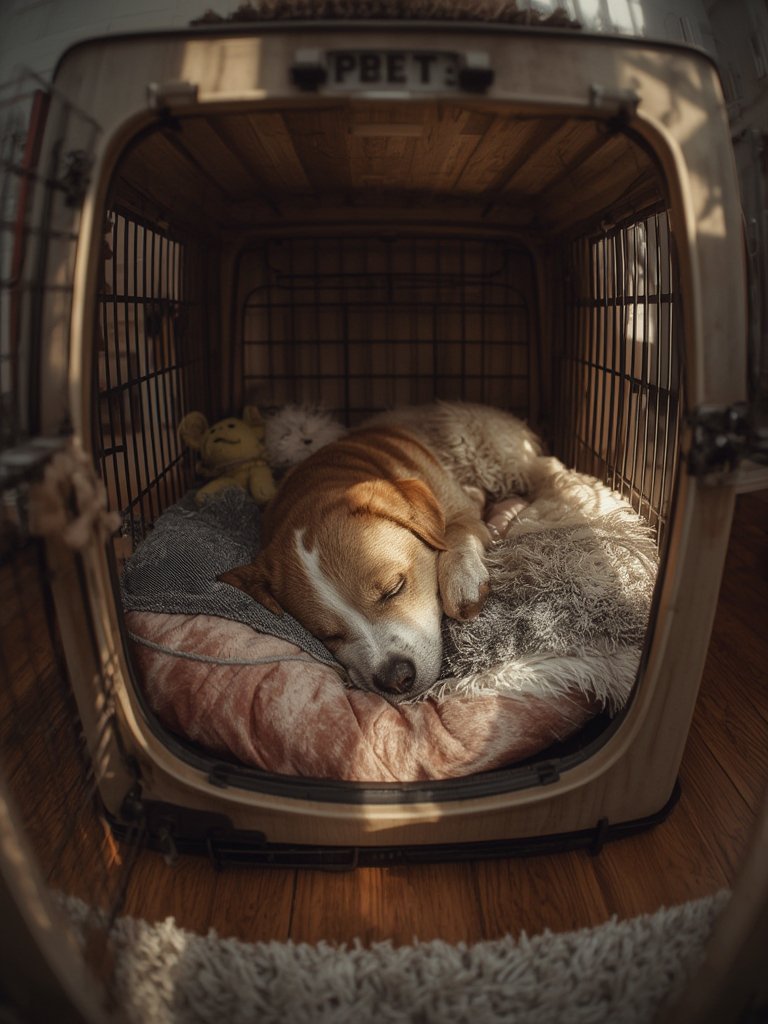
For puppies and older dogs alike, keep your cleaning supplies handy. If you’re managing odors, see our pet deodorizer review or the best dog smell eliminator guide for safe, effective products.
Conclusion
Comfort in a dog crate starts with training, habit-building, and addressing your dog’s unique anxiety or physical needs. There is no universal best solution, but using positive associations, selecting the right bedding, providing sensory enrichment, and maintaining safety can transform this space from stressful to soothing. As you upgrade, monitor your pet’s reactions and don’t hesitate to experiment—what works for a shy pup may differ for a confident adult.
When in doubt, consult a vet or behavioral expert. And remember, the best answer to how to make dog crate more comfortable is a blend of patience, observation, and ongoing adjustment. Ready to make a difference? Start improving your dog’s crate today!
FAQ
What is the best bedding to use in a dog crate?
There is no single best bedding for all dogs. Orthopedic pads work well for large or senior dogs, but heavy chewers may need chew-resistant or bare crates. Always choose easy-to-clean options and monitor for chewing or soiling issues.
Should I cover my dog’s crate at night?
Covers can help block excess light and reduce stimuli, but ensure the material is breathable and does not overheat. Never use heavy blankets; use crate-specific covers made to keep air flowing.
Is it safe to leave toys in the crate?
Only leave toys designed for crate use: large, durable, and without small detachable pieces. Soft toys or ropes are not suitable for heavy chewers or unsupervised crate time due to choking risks.
How do I know if my dog is comfortable in the crate?
Signs of comfort include willingly entering the crate, calm resting, and absence of stress behaviors like whining, biting bars, or restlessness. If your dog avoids the crate or acts distressed, reassess the setup and routine.
Can crate comfort help with separation anxiety?
Yes. A peaceful, secure crate with positive associations, stimulating chews or anxiety relief treats for dogs, and regular training can help reduce mild separation anxiety. Severe anxiety may need professional help.
[…] back to a more peaceful routine. For more tips on related behavior and care, browse our guides on making crates more comfortable, best dog shampoos, or antifungal treatments for […]