


### Blog Post:
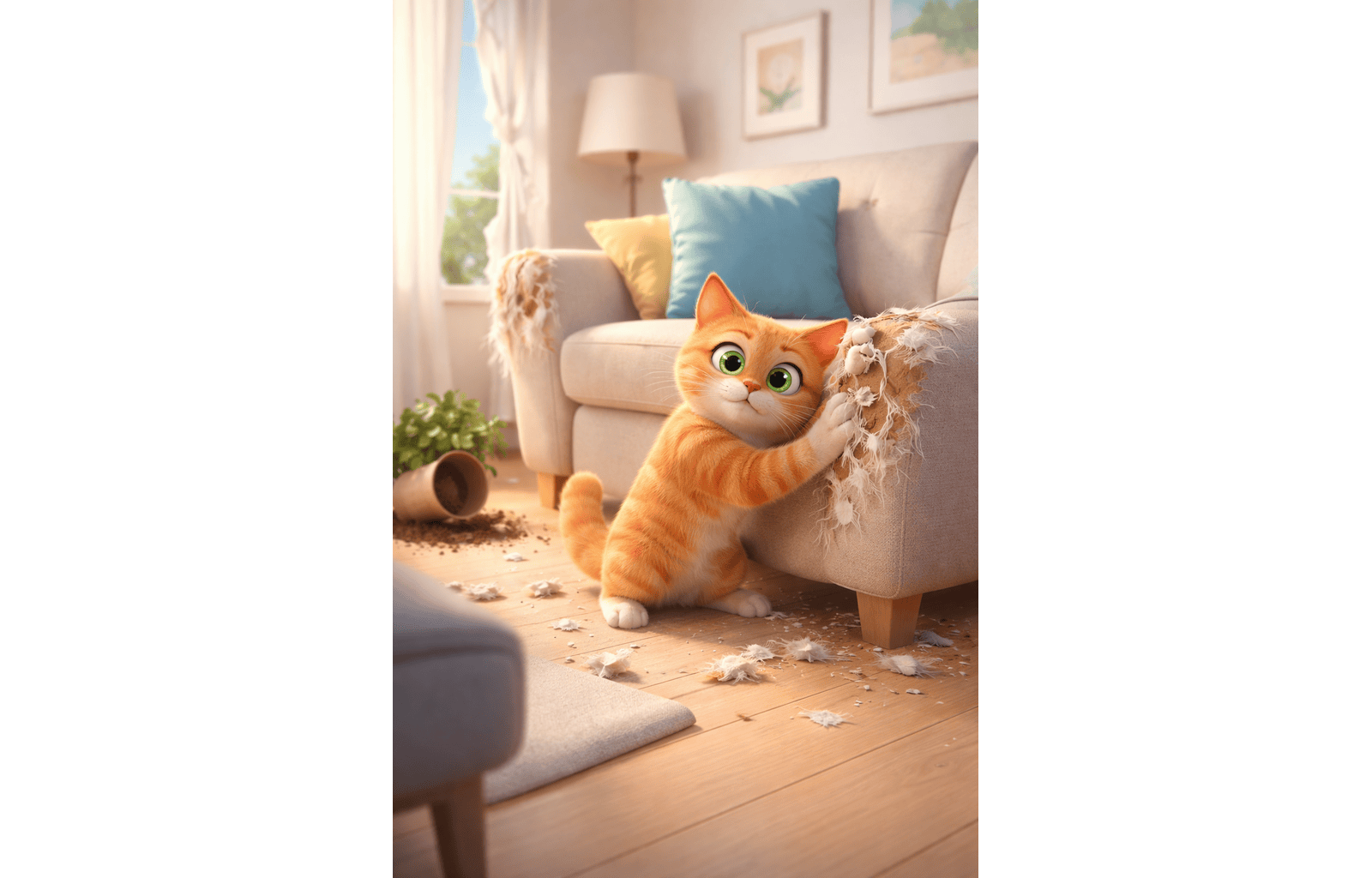
How to stop cat scratching furniture is a concern nearly every cat owner faces. If your sofa, chairs, and drapes have seen better days, you’re not alone. Cat scratching is natural, but that doesn’t mean your home needs to look like a scratching post. Learn proven, science-backed methods to redirect your cat’s claws, protect your furniture, and support your cat’s well-being.
Key Takeaways
- Stopping your cat from scratching furniture requires understanding their needs and offering preferred alternatives, not just punishment or sprays.
- Stability, placement, and materials of scratching solutions are critical—premium sisal scratchers perform best and last longer than most fabrics.
- Ignoring scratching behavior can lead to stress, health problems, and expensive furniture repairs, but simple preventive steps work for most homes.
- Understanding Why Cats Scratch Furniture
- Step-by-Step Guide: How to Stop Cat Scratching Furniture
- Advanced Analysis & Common Pitfalls
- Conclusion
- FAQ
Understanding Why Cats Scratch Furniture
Cat scratching is a universal behavior, not a sign of a “bad cat.” Scratching serves several natural functions: it keeps claws healthy, marks territory with scent, relieves stress, and allows for stretching. According to a study of over 1,200 cat owners, nearly all indoor cats display undesired scratching at some point, often targeting sofas and upholstered chairs (source).
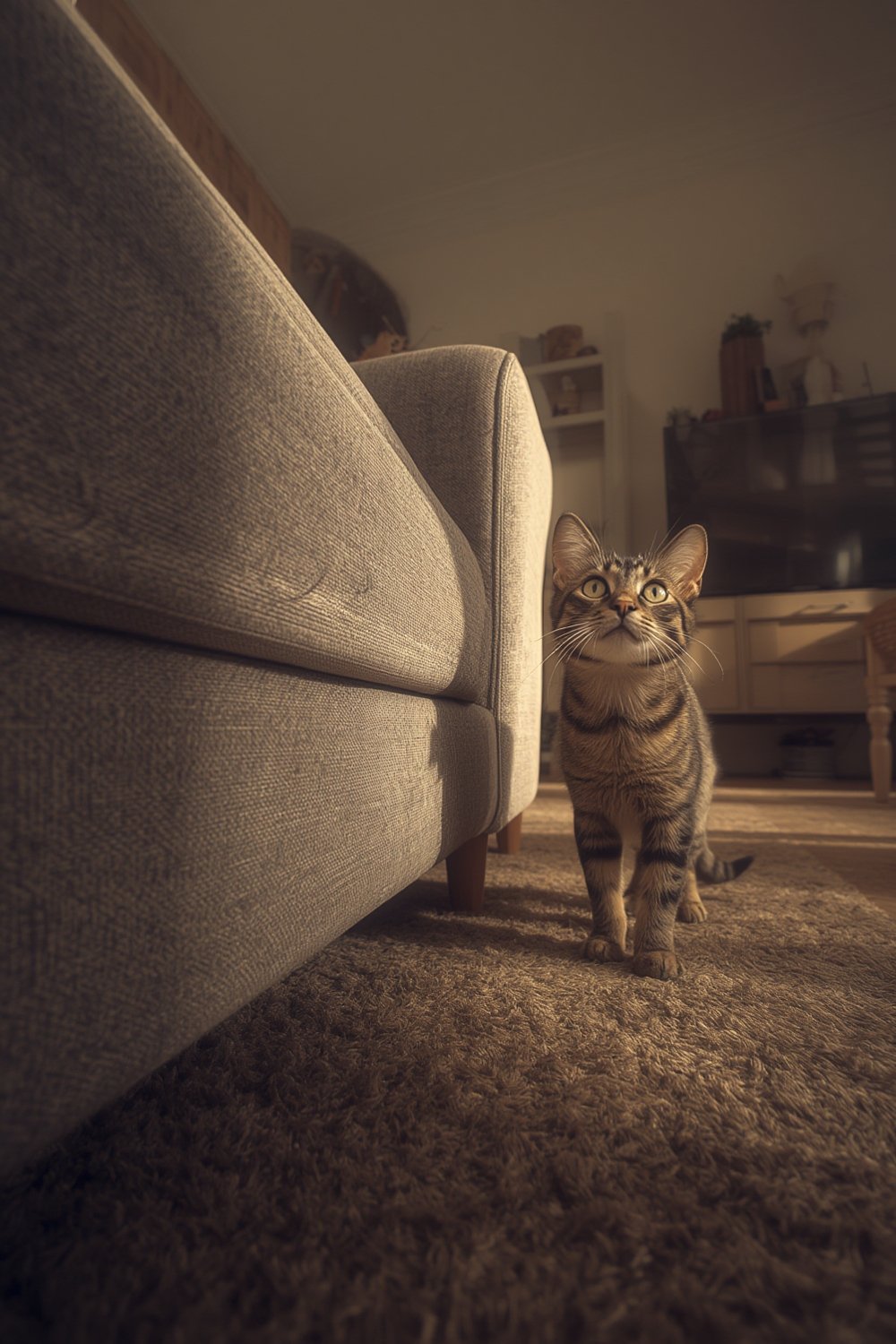
When sofas, walls, or doors become victims, frustrated owners may try covers, deterrent sprays, or scolding. Unfortunately, these tactics rarely resolve the underlying need to scratch. Instead, choosing the right scratching surface and location—and teaching your cat to use it—provides lasting results without tension or ruined furniture (source).
It’s not just about saving your sofa. Unmet scratching needs can lead to stress, aggression, or even health issues in cats. Cats in homes with proper outlets are generally less destructive and more relaxed. Getting it right pays off for everyone.
Step-by-Step Guide: How to Stop Cat Scratching Furniture
Ready to reclaim your home? Here’s how to stop your cat from scratching the wrong things—and what actually works in real life.
-
Observe Your Cat’s Current Scratching Spots
Notice if your cat targets vertical surfaces (like couch corners) or horizontal ones (rugs, carpet). This tells you what kind of scratcher to buy and where to place it. If you have more than one cat, monitor each—personalities and preferences vary. -
Invest in High-Quality, Stable Scratchers
Veterinary research confirms that tall, sturdy posts (at least 32 inches) made from premium sisal outperform carpet or cardboard options (source). Wobbly, short, or overused scratchers won’t cut it. If the scratcher moves when pushed, your cat will abandon it.For variety, add horizontal scratchers or incline boards, especially near places where your cat naps or eats.
-
Strategic Placement: Don’t Hide the Posts
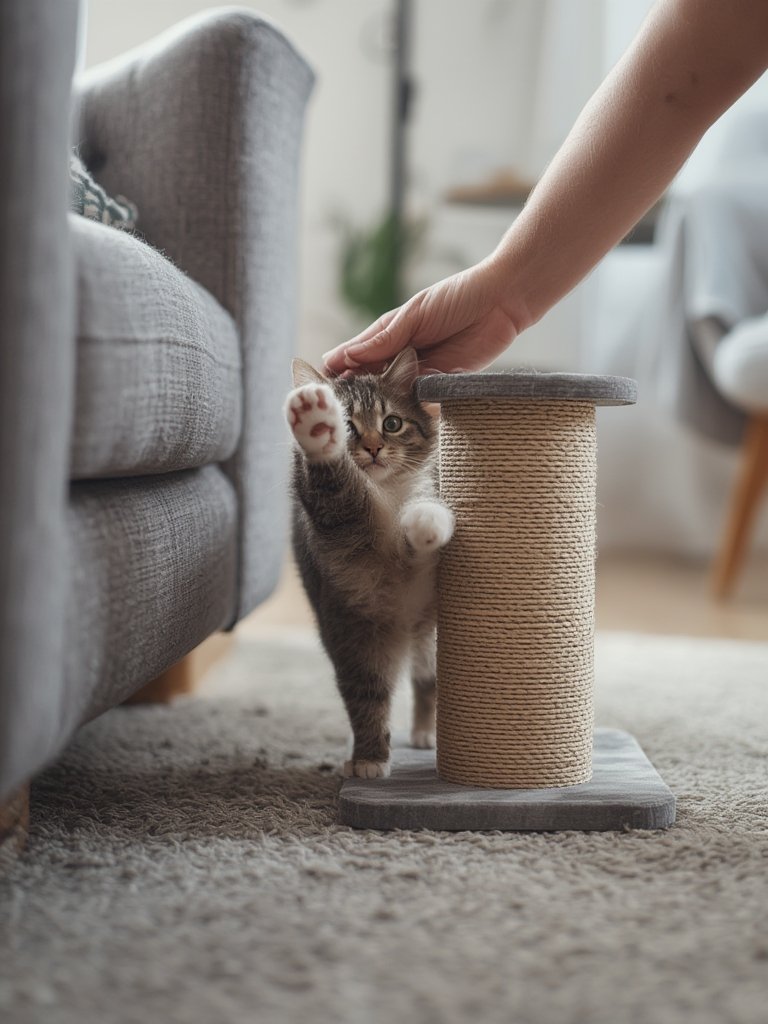
Place posts in high-traffic cat zones—not just in a forgotten corner. Start by putting new scratchers right next to old scratch marks, your sofa, or door frames, and gradually move them a few inches a week if needed.
Interactive cat toys near these spots can entice play and appropriate scratching. -
Positive Reinforcement Beats Punishment
Never yell or punish. When your cat uses the scratcher, reward instantly with verbal praise, play, or treats. Consider a clicker for faster training. -
Protect Old Targets During the Training Phase
Use double-sided sticky tape, furniture shields, or tightly wrap scratch-prone spots with aluminum foil for several weeks. Cats dislike these surfaces, but always provide a better alternative (scratcher) nearby. -
Routine Maintenance
Replace worn scratchers before they become ragged or loose. Research shows many owners wait too long, and worn posts lose appeal (source). -
Increase Play and Engagement Without Overstimulating
Science shows that several SHORT play sessions per day (3–5 minutes) work better to reduce unwanted scratching than long, exhausting bouts (source). Mimic hunting games with toys that flutter or move unpredictably. Don’t overdo it—too much play increases stress.
How to keep your kitten entertained while working covers short, effective play routines. -
Environmental Enrichment and Calm
Add perches, hiding spots, or access to windows. pheromone sprays or diffusers in scratching zones can lower anxiety and reduce destructive itching.
Use a cat water fountain for additional enrichment and hydration. -
Address Stressors in the Home
If you have kids or multiple pets, know that increased shouting or chaotic environments can trigger stress and scratching in sensitive cats (source). Maintain a set routine and provide zones for undisturbed rest. -
For Persistent Problems, Seek Veterinary Help
If your cat is aggressive, anxious, or destructive despite all efforts, consult a veterinarian or feline behaviorist. Ruling out health problems or anxiety disorders is wise (urinary health issues can sometimes present as increased scratching).
If odor is a concern or you want a fresher living area after redirecting scratching, try a strong pet deodorizer to neutralize lingering smells.
For a full home approach, consider enriching with eco-friendly cat litter to minimize odors and environmental stressors, which can also support better scratching behavior.
Advanced Analysis & Common Pitfalls
Solving furniture scratching is not always instant. Let’s look at hidden drawbacks, what often goes wrong, and how you can avoid wasted time or money.
- Cheap, unstable scratchers get ignored fast. Wobbly posts, thin bases, and posts made from carpet or cardboard lack the grip and durability cats crave, especially in multi-cat homes.
- Wrong material or shape: Many owners buy carpet posts, but most cats prefer sisal because it mimics tree bark. Some cats like vertical surfaces, others horizontal—match your scratcher style to your cat’s preference.
- Poor placement: Owners often hide scratchers far from living rooms for aesthetics. If it’s not near your sofa or walkways, most cats won’t bother with it.
- Neglected worn scratchers: Trying to save money by delaying replacement is a false economy—worn surfaces get ignored, and cats revert to the sofa anyway. Furniture repairs cost far more.
- Punishing cats for scratching: Yelling or using squirt bottles increases stress and rarely teaches anything except fear.
- Neglect of individual needs: High-energy, young, or “disruptive” cats need more enrichment and scratching outlets. Older or shy cats may need posts in low-traffic, quiet areas. There’s no universal solution.
- Overstimulating with play: Long, continuous play sessions can cause stress and worsen scratching—use short bursts (3–5 minutes) instead.
| Common Mistake | What Happens | Better Approach |
|---|---|---|
| Cheap, flimsy scratch post | Cat ignores post, continues sofa scratching | Choose heavy, tall posts with sisal wrap |
| Post hidden in spare room | Cat scratches where family spends time | Put scratchers where the furniture is targeted |
| Punishing with squirt bottle | Cat becomes anxious, hides, may scratch more | Use only positive reinforcement and redirection |
| Waiting too long to replace worn scratchers | Furniture gets scratched, wasted money on repairs | Replace posts when visibly worn or shredded |
| No enrichment or hiding spots | Bored, stressed cat scratches more | Provide toys, perches, and cat-safe zones |
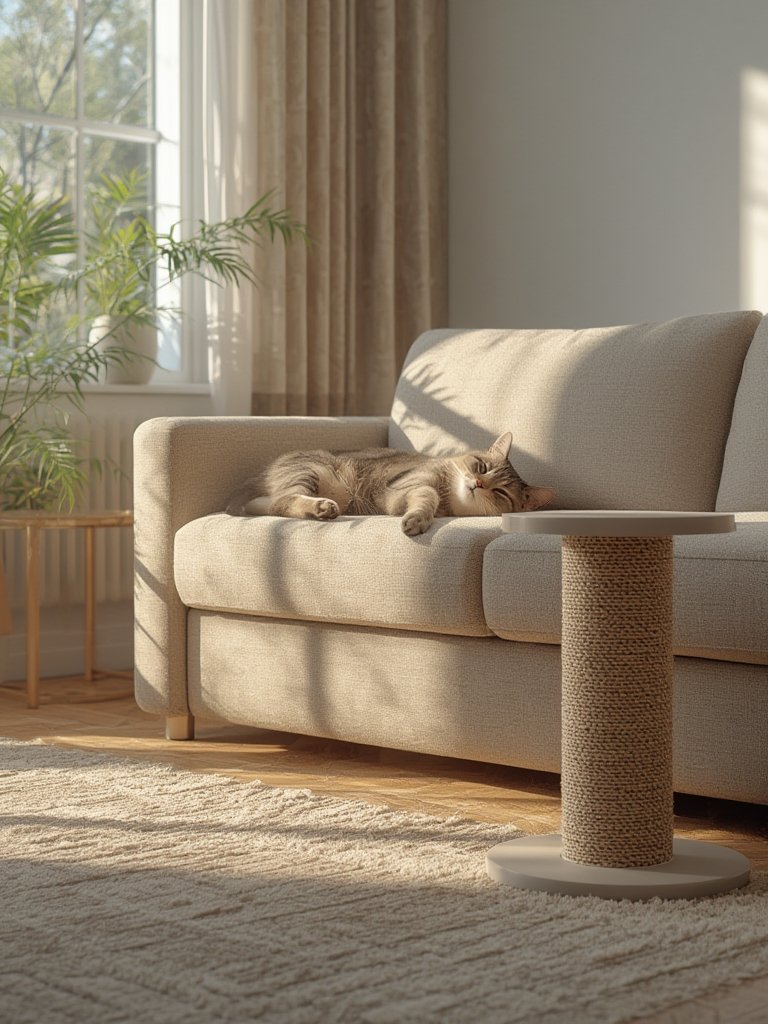
It’s worth noting, the price of repairing or replacing furniture can be substantial. Investing upfront in one or two high-quality, stable posts often saves hundreds, if not thousands, over the years (source).
Conclusion
Cat scratching is not about defiance—it’s a basic, healthy feline need. When you give your cat something better than the couch to scratch, make it stable and well-placed, and maintain it, destructive furniture scratching usually ends.
Remember: observe your cat, match your scratcher to their preferences, and always reward good behavior. Start today, and you’ll protect your home as well as support your cat’s happiness and health.
Ready to stop the frustration? Apply these steps now and see real improvements. For more practical tips and the best product picks, explore our guides for interactive cat toys, pet deodorizers, and eco-friendly litters—all designed to make living with cats cleaner, easier, and far more fun.
If you have questions about how to stop cat scratching furniture, check out the FAQs below or leave a comment for further help.
FAQ
Why does my cat keep scratching the couch even with scratching posts?
Cats often scratch what’s familiar and easy to reach. If scratching posts are unstable, placed incorrectly, or made from the wrong material (like carpeting), your cat will likely ignore them. Move the post right next to the scratched area and use sisal material—reward every use.
Are scratching sprays or deterrents effective in stopping cats?
Deterrent sprays may work temporarily but rarely solve the root cause. Sprays can also irritate some cats or cause stress. The most reliable solution is providing attractive, well-placed scratchers and rewarding desired behavior.
How often should I replace my cat’s scratching post?
Replace posts when they become visibly frayed, loose, or unstable—usually every 12 to 24 months if made with premium sisal. Waiting too long reduces their appeal and puts your furniture at risk.
What if my cat ignores every new scratcher?
Try rubbing cut catnip or silvervine on the post, or play interactive games around it. Place scratchers where your cat usually scratches, not in a distant room. If your cat still ignores them, try different post heights or shapes to fit their scratching style.
Is declawing a solution to stop scratching?
No. Declawing is medically unnecessary, painful, and often banned—it’s equivalent to amputating part of the cat’s toes. Focus on redirection and providing proper scratching outlets instead.
—