


### Blog Post:
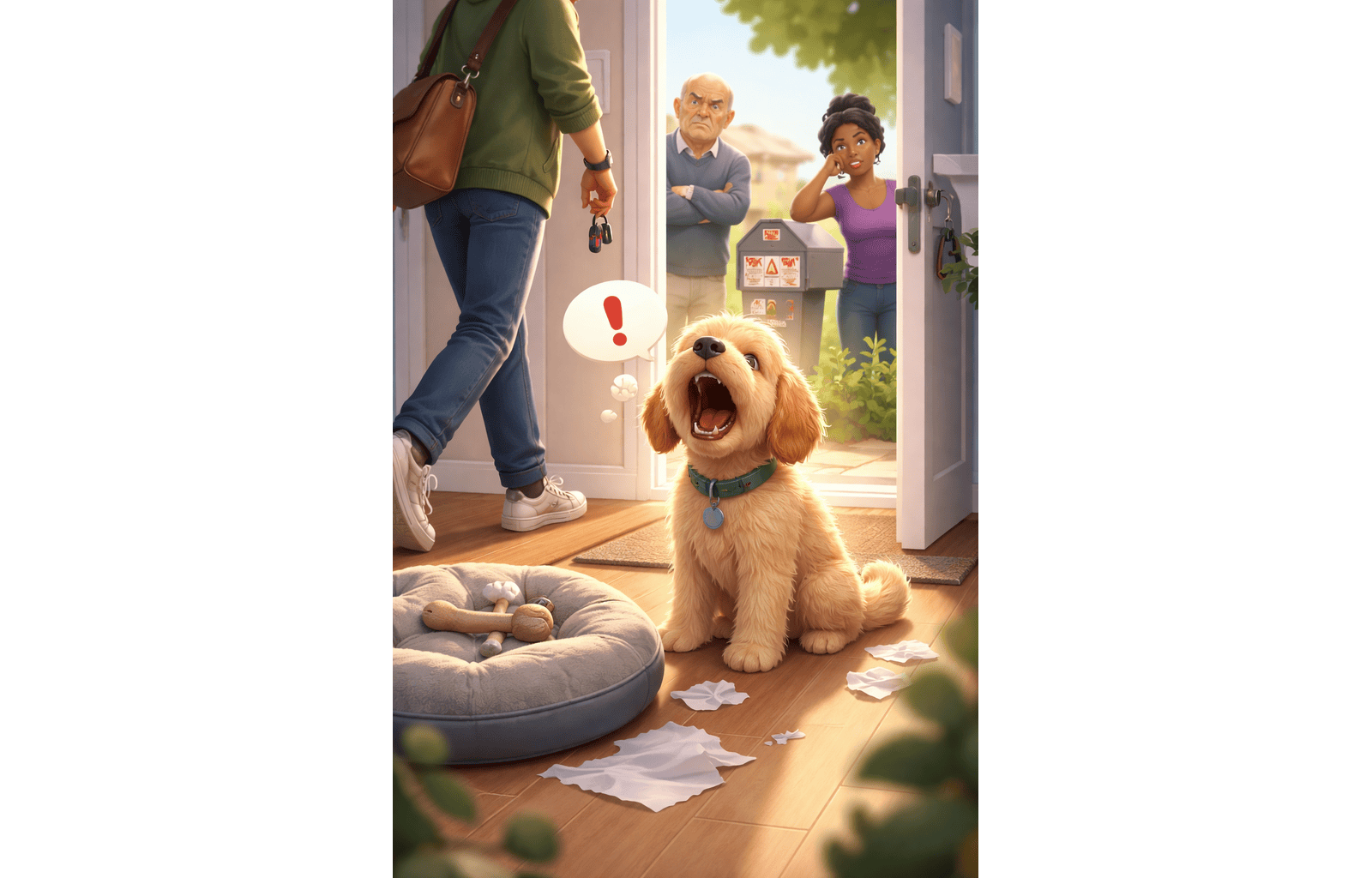
If you’re searching for how to stop dog barking when alone, you’re not alone—this is a challenge faced by millions of owners since remote work and shifting routines became the new normal. How to stop dog barking when alone is now one of the most pressing dog behavior questions, especially as up to 15% of dogs develop separation-related barking. Barking when left alone isn’t just a nuisance for neighbors—it is a sign of distress that, left untreated, can worsen your dog’s welfare and your own peace of mind.
Key Takeaways
- Barking when alone is often a sign of separation anxiety, not stubbornness or “bad” behavior.
- Humane, science-based interventions—like environmental enrichment, gradual desensitization, and behavioral therapy—are more effective than quick-fix devices or punishment.
- Breed, age, and recent schedule changes (e.g., return to office) all raise barking risk—meaning one-size-fits-all solutions rarely work.
- Why Dogs Bark When Alone: Core Concept
- Step-by-Step Guide: Stopping Dog Barking When Alone
- Advanced Analysis & Common Pitfalls
- Conclusion
- FAQ
Why Dogs Bark When Alone: Core Concept
Dog barking when left alone is most commonly a form of separation-related behavior—a stress reaction when the owner is absent. This reaction can vary from pacing and whining to long, intense barking fits, especially in breeds genetically prone to strong attachment or vocalization like Cocker Spaniels, Schnauzers, or Dachshunds. According to recent studies, up to 47% of households saw an increase in dog anxiety since pandemic lockdowns ended and remote work routines shifted back to more time away from home. Detection technology like the Invoxia Minitailz shows approximately 15% of tracked dogs barked for over 10 minutes after being left alone. These figures underline the modern reality: what used to be seen as “just barking” is now recognized as a welfare issue—and solving it means addressing the underlying anxiety, not just the noise itself.
Step-by-Step Guide: Stopping Dog Barking When Alone
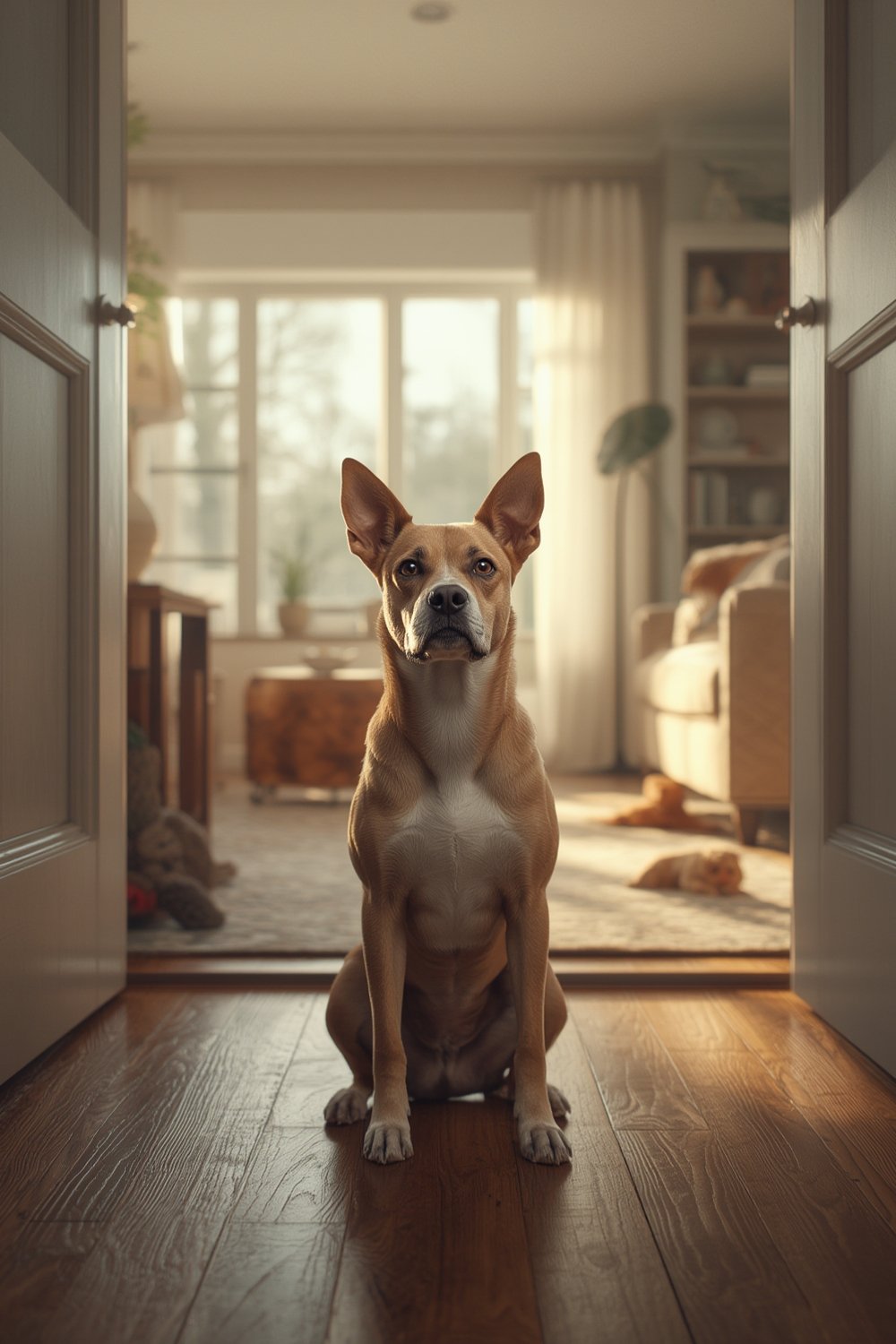
Stopping barking when your dog is left alone isn’t a one-step fix. It requires a plan that builds your dog’s confidence, keeps them occupied, and addresses anxiety at its root. Follow these steps, adjusting as needed for your dog’s age, breed, and environment.
- Rule Out Medical Issues
Always have your vet check for hearing loss, cognitive decline, or pain—especially with older dogs. These can all amplify anxiety or lead to “senility barking.” - Create a Safe & Enriching Environment
Set up a cozy space with your dog’s bed, favorite toys, and a low-volume radio or white noise machine. For dogs sensitive to noise or air quality, use a pet air purifier to reduce environmental triggers. - Gradual Desensitization
Start with ultra-short departures (just seconds out the door), then slowly increase the time away, always returning before your dog escalates to barking. Hundreds of repetitions may be needed—don’t rush. - Anti-Bark Products: Only Use Humane Tools
No quick-fix product will “cure” separation anxiety barking. Avoid bark collars or ultrasonic devices—they often make anxiety worse (see evidence here). If needed for severe cases, discuss calming pheromones or prescription medication with your vet. - Provide Mental Stimulation
Rotate food-dispensing toys (such as the Kong Wobbler or interactive feeders), or enroll your dog in smart automatic feeding routines to keep their mind off your absence. - Reduce Your Own Departure Anxiety
Dogs pick up on owner stress. Make hellos and goodbyes calm and uneventful. Practice “fake leaving” without always exiting, to break the connection between cues (keys, bags) and your disappearance. - Try Professional Help (If Needed)
If minimal progress after several weeks, or if the barking creates neighbor/HOA complaints, work with a certified trainer or behavior consultant who uses positive, reward-based methods. - Consider Dog Daycare or a Trusted Sitter
Social dogs may benefit from group activity to avoid long solo stretches—especially if your schedule suddenly changed post-pandemic.

Note: Many owners mistake barking for simple “disobedience.” This delays effective action and often escalates problems. Most dogs can be helped—but not overnight.
Enriching your dog’s environment often means addressing skin and odor problems that can be made worse by stress and barking. If your dog’s anxiety is causing hot spots or skin infections, check out the best medicated dog shampoo or our guide on pet deodorizer solutions for odor control between baths.
Advanced Analysis & Common Pitfalls
While the urge for a “magic bullet” solution is understandable, many quick fixes actually make separation barking worse. Here’s what the latest research and forum data reveal about common pitfalls:
| Approach | What Works | What Fails |
|---|---|---|
| Bark Collars / Aversive Devices | N/A (not recommended for anxiety) | Increase panic, lead to silent distress, worsen behavior (Source) |
| “Tough Love” (Ignoring Barking) | Works only in very mild cases with no true anxiety | Usually escalates stress, causes destructive behaviors, can damage trust |
| Gradual Desensitization | Backed by experts, best long-term outcome | Requires patience, may not suit severe cases who panic instantly |
| Environmental Enrichment | Reduces boredom barking and mild agitation | Can be insufficient alone for true separation anxiety |
| Medication / Pheromones | Effective for severe/clinical anxiety with vet supervision | Won’t “teach” alone time—must pair with training |
| Daycare/Sitters | Great for social dogs or during owner schedule changes | Can increase stress in shy or aggressive dogs; costly over time |
Common Owner Complaints & Mistakes:
- Thinking barking is always “defiance”—ignoring anxiety signs like clinging, drooling, or pacing.
- Relying solely on DIY gadgets or repeated scolding, which rarely addresses the root problem.
- Abandoning desensitization steps too soon because initial progress is slow.
- Missing subtle “silent” distress (increased by punishment-type collars).
- Assuming a product like a tracker collar will stop barking—these are for monitoring, not treatment.
Actual forum threads report barking at night, whining at the door, and barking that persists even with exercise (source), revealing that many standard routines aren’t enough. In some cases, you may need to revisit comfort tools—see our reviews of soothing dog balms or dog deodorizers if stress causes skin issues or odors.
Conclusion
Barking when left alone is rarely just an obedience problem—it’s a sign your dog is struggling. Most cases are rooted in separation anxiety, which requires patient, humane, and systematic intervention. Stick to evidence-based methods and don’t expect instant results. The right combination of enrichment, gradual training, and—if needed—professional support can help your dog and your household get back to a more peaceful routine. For more tips on related behavior and care, browse our guides on making crates more comfortable, best dog shampoos, or antifungal treatments for dogs.
If you’re ready to take the next step on how to stop dog barking when alone, start simple—review the steps above, monitor your dog, and commit to consistent, positive changes. Need product recommendations or behavior help? Check out our expert reviews or speak with a qualified dog trainer near you.
FAQ
Can bark collars solve separation barking?
No—research shows bark collars and aversive devices often make anxiety and barking worse or shift it to silent distress. They don’t address the panic that causes barking (source).
Which breeds are most prone to barking when left alone?
Breeds including English Cocker Spaniel, Schnauzer, Dachshund, Brittany Spaniel, French Bulldog, and Australian Shepherd are more likely to develop intense separation barking, according to the latest tracking and veterinary data (source).
How long does it take to fix separation barking?
Progress for mild cases can show in a few weeks. For moderate to severe anxiety, expect at least several months of training—especially if your dog’s been barking for a long time. Consistency and patience are essential.
Can giving treats or toys really help stop alone-time barking?
Yes—high-value chewables, puzzle toys, or frozen lick mats help redirect anxious energy and can speed up desensitization. However, toys alone may be insufficient if your dog is panicking as soon as you leave.
What is the fastest way to stop my dog barking when alone?
There is no instant fix. Quick results risk making anxiety worse. The fastest safe results come from gradual desensitization, environmental improvements, and—if needed—professional help.
—