


Cat Wall Furniture is changing how cat owners use space and provide enrichment at home. As more people treat their cats like family, wall-mounted shelves, steps, and perches are popping up in stylish homes everywhere. In this guide, you’ll learn what’s driving this trend, how to set up your own system, common mistakes to avoid, and how to make the best choice for your cat’s needs.
Key Takeaways
- The cat wall furniture market is growing rapidly with an emphasis on modularity, style, and space-saving designs (source).
- Owners should plan for correct installation, stability, and integration with their existing decor to avoid costly mistakes.
- User experience varies—issues like mounting problems and limited weight capacity can lead to poor results if overlooked.
- What Is Cat Wall Furniture and Why Is It Trending?
- How to Choose and Install Cat Wall Furniture: Step-by-Step
- Analysis, Pitfalls, and Comparison: What Most Guides Miss
- Conclusion
- FAQ: Cat Wall Furniture
What Is Cat Wall Furniture and Why Is It Trending?
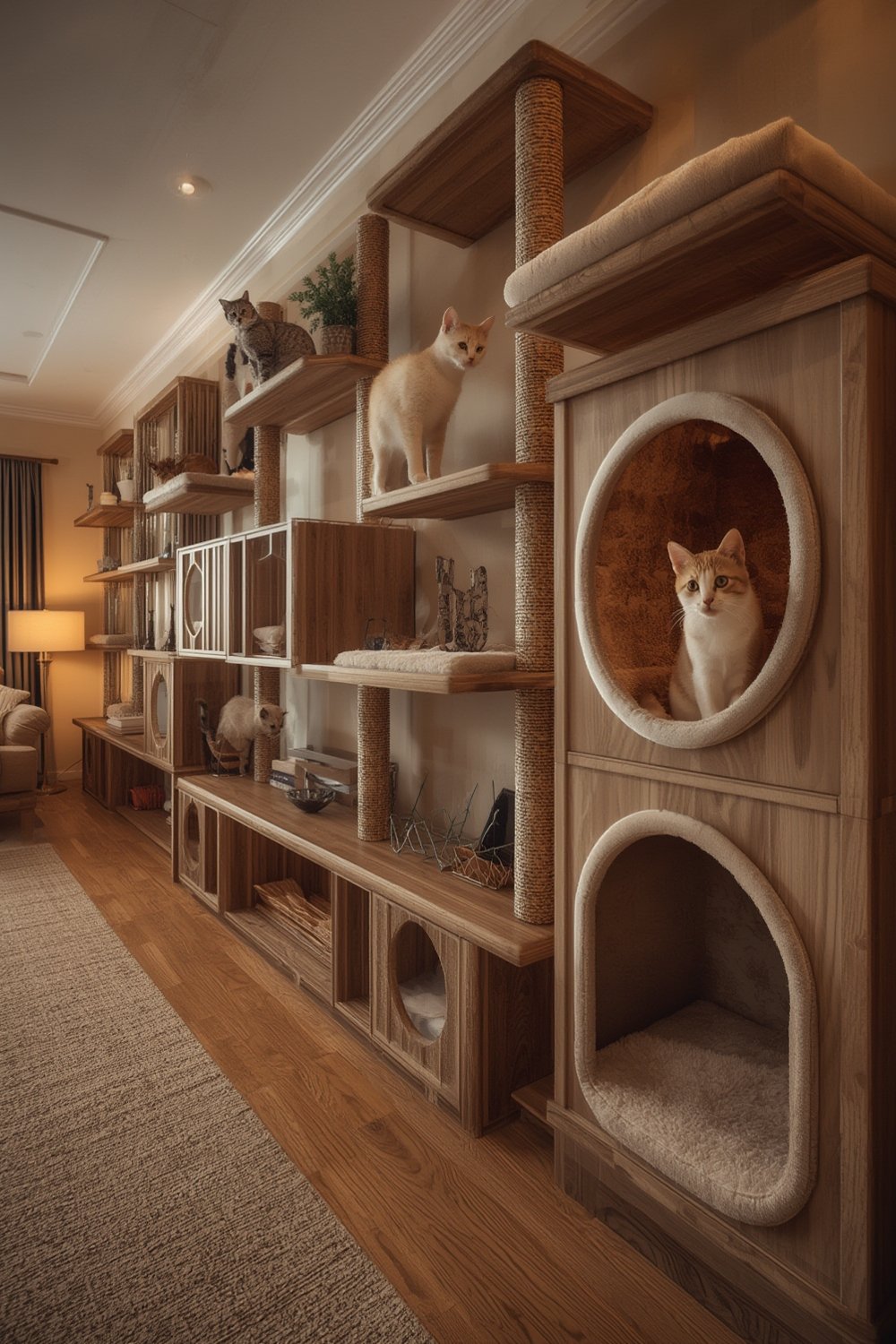
Cat wall furniture includes shelves, perches, ramps, and bridges that mount to your wall, giving cats vertical territory for climbing, relaxing, and looking out. Unlike floor-based cat trees, these systems maximize vertical space—especially valuable in small apartments or shared homes.
The demand for cat wall furniture boomed in 2024, driven by several trends. U.S. cat ownership hit 32.1%, up from 27.3% in 1996 (source). Owners now spend between $961 and $2,487 per year per cat, and 84.7% consider their pets family (source).
People are seeking modular, eco-friendly, or tech-enabled options that fit urban homes—furniture that’s stackable, minimalist, and doesn’t disrupt the look of the room. Online retail leads the way, holding 50% of the market (source). Companies like Armarkat are responding with sleek, durable designs to match this momentum.
For more enrichment options, check out our comprehensive Interactive Cat Toys Guide.
How to Choose and Install Cat Wall Furniture: Step-by-Step
Picking the right cat wall system and installing it well can make the difference between a bored cat and a happy, safe feline explorer. Here is a step-by-step process:
-
Measure Your Space and Cat’s Needs
Mark possible furniture areas on your wall. For multi-cat homes, ensure several “levels” and routes. Make sure there’s enough clearance from ceilings, windows, and doors. -
Research Materials and Weight Limits
Choose solid wood or reinforced MDF over cheap particle board. Always confirm the stated weight capacity. Typical shelves support 15–30 lbs, but always check specifics.
For hygiene and safety, choose materials with sealed finishes—easier to clean and less likely to splinter over time. For more about pet hygiene, see our Best Medicated Dog Shampoo review. -
Choose Hardware and Mounting Style
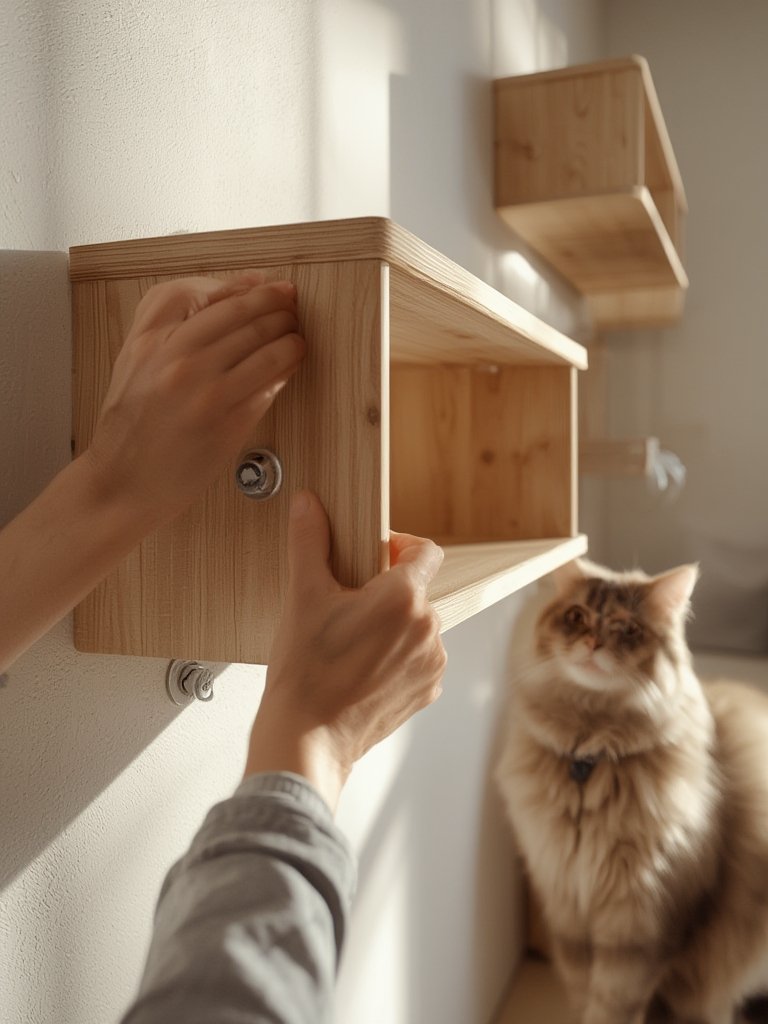
Secure mounting means screwing into wall studs, never just drywall anchors. Look for wide mounting plates and hardware kits rated for at least 2-3 times your largest cat’s weight. -
Plan a Route (Not Just a Shelf)
Create a “cat highway” by connecting shelves at varying heights. Provide entry/exit ramps and “rest stops” like padded perches, ramps, or bridges. -
Do a Dry Fit
Before drilling, tape or lightly mark all mounting points and verify shelf spacing for your cat’s size. -
Install Securely
Use a level to avoid crooked installations. Anchor all brackets into studs if possible. Double-check all screws for tightness before allowing your cat to use them. -
Monitor Initial Use
Watch your cat’s first climbs. Check for rocking, movement, or hesitation. Adjust as needed to improve confidence. -
Add Accessories for Enrichment
Attach scratching posts, dangling toys, or soft mats to favorite spots. This encourages natural behavior and prolongs interest.
If your cat is easily bored, read our ideas for Keeping Kittens Entertained While Working. To reduce odors in cat spaces, see our Best Pet Odor Eliminator guide.
Analysis, Pitfalls, and Comparison: What Most Guides Miss
Setting up cat wall furniture isn’t always smooth sailing. Here are real-world issues, pitfalls, and a side-by-side comparison of custom vs. pre-made solutions.
Common Pitfalls
- Poor Mounting: Rushed installations that skip stud-mounting often fail, damaging walls and risking feline injury.
- Underrated Weight Capacity: Many shelves aren’t rated for large or multiple cats. Exceeding weight limits causes instability.
- Integration with Decor: Bulky or clashing materials may disrupt your home’s aesthetic. Some solutions look “DIY” and hurt resale value.
- Lack of Flexibility: Non-modular designs can’t adapt to changing cat or space needs.
- Cost Surprises and Delays: Custom projects often take longer and cost more than anticipated.
Comparison Table: Custom vs. Pre-Made Cat Wall Furniture
| Feature | Custom | Pre-Made |
|---|---|---|
| Pricing | Typically $150–$800+ depending on materials | $30–$250 per shelf/module |
| Installation | Requires planning, sometimes professional help | Usually DIY, includes instructions/hardware |
| Adaptability | Fully customizable layout and finish | Modular but limited by design options |
| Shipping Time | 3–8 weeks typical for custom orders | Ships in 1–5 business days |
If allergies are a concern in cat spaces, see our Pet Air Purifier Guide for cleaner indoor air.
Conclusion
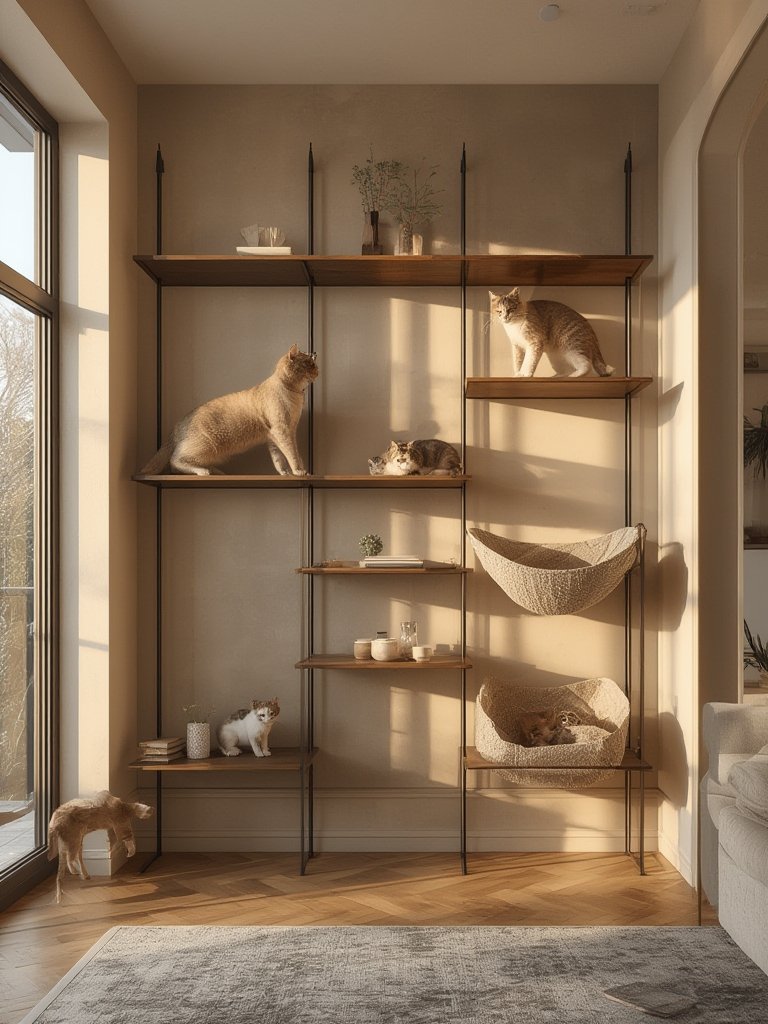
Cat wall furniture opens up small or crowded living spaces and gives cats the challenge and enrichment they crave. Choose sturdy materials, plan for secure installation, and think about both function and design. Whether you go custom or choose modular kits, the right system can transform your home—and your cat’s life. Ready to try cat wall furniture? Start planning your layout today and see the difference vertical territory makes.
FAQ: Cat Wall Furniture
Are cat wall shelves safe for large cats?
Yes, but only if mounted properly into wall studs and made with solid, high-quality materials rated for your cat’s weight. Never use shelves with unclear or low weight ratings.
Can I install cat wall furniture in a rented apartment?
Many renters use removable wall anchors or focus on damage-free shelves, but drilling into studs is ideal for stability. Always check your lease or talk to your landlord before making modifications.
What’s the best way to clean cat wall furniture?
Wipe wood or sealed surfaces weekly with a damp cloth. Wash or vacuum removable cushion covers. Avoid harsh chemicals that could leave residue where cats climb or sleep.
How do I get my cat to use their new wall furniture?
Start by placing favorite treats or small toys on new shelves. Encourage slow exploration. Never force your cat to climb—curiosity usually wins with time and positive associations.
[…] prioritize safe, cat-specific designs and go slow. For even more enrichment and product advice, see cat wall furniture trends for 2026 or explore eco-friendly cat litter solutions to upgrade your cat’s environment alongside their […]