



### Blog Post:
dog calming chews have quickly become a go-to solution for anxious pups in the United States, with more owners than ever using these treats to manage daily and situational stress in their dogs. But how effective are they, what’s really inside, and what do you need to know before choosing the best calming chews for your pet? Here’s what the latest research really shows, with clear, actionable steps to help you make the smartest choice for your dog’s comfort.
Key Takeaways
- Nearly 60% of US dog owners now use calming products, with dog calming chews leading as a favorite format.
- Most calming chews use natural actives like L-theanine and CBD, but strong clinical proof for their effectiveness is lacking.
- Owners should watch for signs of palatability issues or ineffectiveness—real complaint data is minimal, so careful observation is necessary.
- 1. What Are Dog Calming Chews & Why Owners Use Them
- 2. How to Choose and Use Dog Calming Chews: A Practical Guide
- 3. Advanced Analysis & Common Pitfalls: What Can Go Wrong?
- 4. Conclusion: Smarter Dog Anxiety Relief
- 5. Frequently Asked Questions
What Are Dog Calming Chews & Why Owners Use Them
Dog calming chews are soft, edible treats formulated with a blend of calming ingredients—think L-theanine, chamomile, melatonin, or hemp-derived CBD—aimed at helping dogs cope with anxiety, stress, or hyperactivity. US demand for these products is soaring. According to the American Pet Products Association’s 2023-2024 National Pet Owners Survey, 59% of American dog owners reported using some type of calming product in 2024. Millennials and Gen Z are the biggest adopters, with over 70% usage in those age groups.
The rise in behavioral challenges post-pandemic, such as separation anxiety, storm phobias, and travel stress, drives owners to seek convenient, non-prescription fixes. Chewable supplements are now the second most common calming format after toys—chews win on both ease and palatability. Even though clinical efficacy remains largely unproven, owner perception and desire for “natural” solutions continue to propel this segment forward.
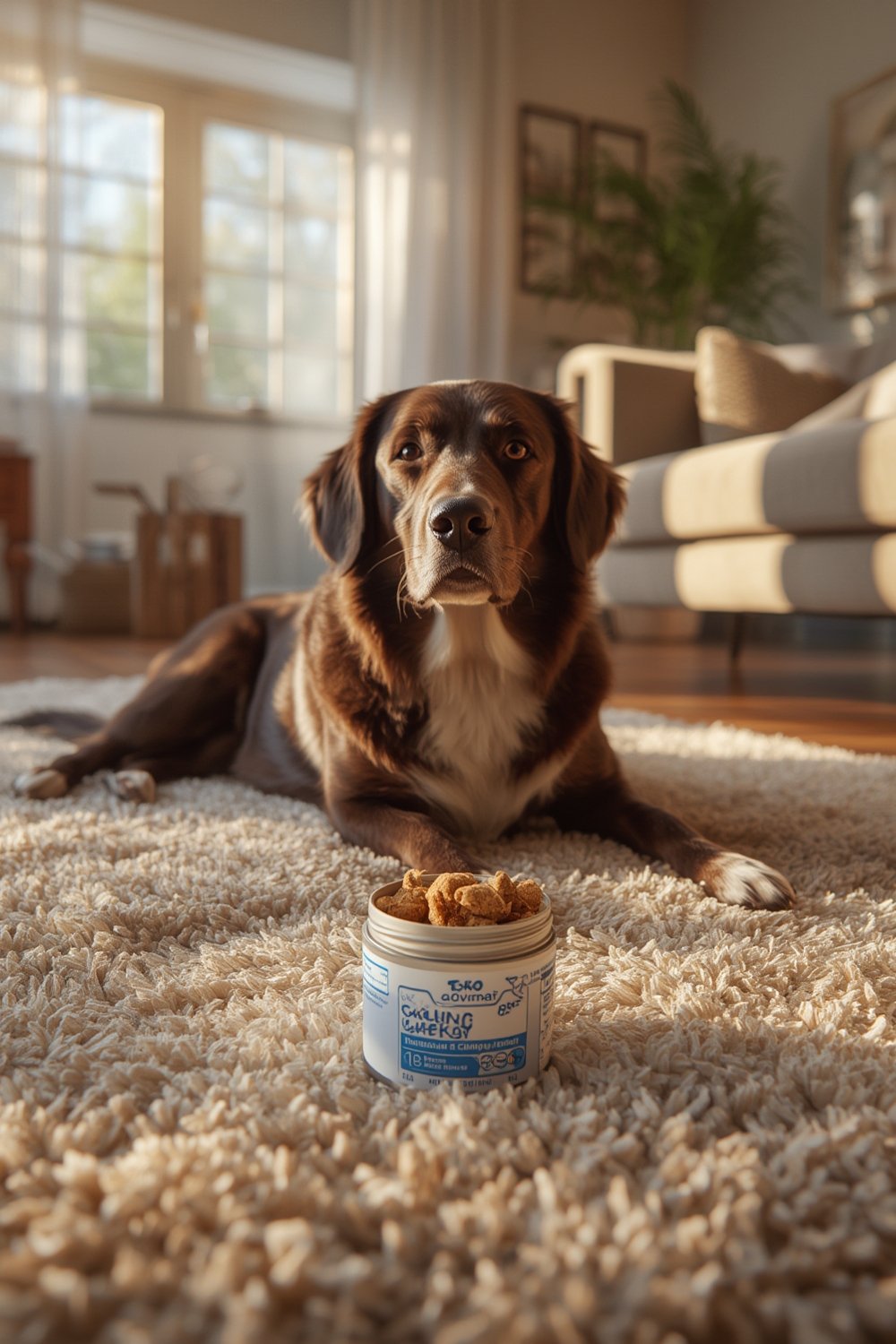
How to Choose and Use Dog Calming Chews: A Practical Guide
Choosing the right dog calming chews—and using them effectively—can make a significant difference in your pet’s quality of life. Here’s how to do it step by step:
-
Identify your dog’s main anxiety triggers.
Is your dog fearful of storms, fireworks, or being left alone? Pinpointing these stress zones helps you match the right chew and dosage schedule to your dog’s real needs.
-
Check ingredient labels closely.
Look for formulas with recognizable natural actives—L-theanine, chamomile, CBD, melatonin. But beware: while these are widely used, there’s no strong clinical data proving actual effectiveness in dogs. Stay cautious of overstated claims and watch for any added flavors or fillers if your dog has allergies.
-
Time the dosage for best results.
Most chews require 30-60 minutes to take effect. Give them ahead of fireworks or before leaving for work. For ongoing issues like separation anxiety, daily use may be helpful.
-
Monitor and adjust based on your dog’s response.
Every dog is different. If you don’t see noticeable calm within a few trials, try a different formula or consult your vet. Some dogs may prefer lick mats or enrichment toys for anxiety relief.
-
Keep safety first.
Current regulations prioritize ingredient safety and accurate labeling, but there’s little oversight of efficacy. If your dog experiences any unusual symptoms or digestive upset, discontinue use and contact your veterinarian immediately.

While direct “negative” user reviews are hard to find, always watch your dog for subtle signs like turning away, refusing treats, or experiencing mild stomach upset. Products that work for one dog may do little for another—some dogs get relief from natural chews, while others might truly need behavioral modification or prescription medication.
Want to address related health needs at home? Consider reading about medicated dog shampoos if your dog’s stress leads to skin issues, or digestive probiotics for the gut-brain connection in anxious pets.
Advanced Analysis & Common Pitfalls: What Can Go Wrong?
Despite wide adoption, dog calming chews aren’t a cure-all. Let’s get realistic about what users actually face after purchase:
-
Limited scientific proof.
Most active ingredients—like L-theanine, melatonin, and CBD—are supported primarily by owner perception, not large-scale clinical trials. The “most popular” doesn’t always mean “most effective.” Read more in this industry analysis.
-
Hidden palatability and compliance issues.
Many brands claim “irresistible” flavors, but real-world refusals and flavor fatigue are common, especially with repetitive use or sensitive palates.
-
Lack of clear value comparisons.
2024 market research shows little cost-per-dose or value-for-money data available. Owners often spend more on trendy “all natural” options without proof they outperform basic calming treats. Global market size is booming (expected to hit $1.1 billion by 2032) but per-product data is scant. Get more details here.
-
No standardized regulation for effectiveness claims.
The main focus is on ingredient safety and accurate labeling. Products may promise “fast results” or “long-lasting calm,” but without third-party or veterinary validation, real outcomes will vary. See the regulatory overview at Mordor Intelligence.
-
Risk of missing underlying medical or behavioral disorders.
Heavy reliance on chews can cause owners to overlook deeper issues like illness or severe behavioral disorders that require professional help or alternative strategies.
| Potential Problem | What Owners Say | Real Data Findings |
|---|---|---|
| Palatability | Some dogs spit out chews or become bored over time | Limited quantified reviews—palatability issues underreported in official surveys |
| Effectiveness | Many owners believe chews help, yet some see little to no change | No clinical outcome data—growth driven by perception not science |
| Side Effects | Rare minor digestive upsets reported; no serious issues documented | No negative reports in major studies; effectiveness overshadows reporting gaps |
| Price & Value | Vague complaints about high cost, especially for “premium” brands | No 2024 data for cost-per-dose or direct brand comparison |
Broader solutions may be needed in stubborn cases. Consider trying a full-skin hygiene routine if stress leads to yeast outbreaks, or consult your vet about advanced behavioral support and enrichment tools.
Conclusion: Smarter Dog Anxiety Relief
Dog calming chews offer a practical, often effective route for pet owners hoping to make anxious moments less traumatic for their dogs. With nearly 60% of US owners now turning to these solutions, understanding what’s inside, how to use them, and where the real limits lie is critical. Always observe your dog and adjust based on their specific response—chews are just one tool in a well-rounded anxiety relief strategy. Ready to give your pup the calm they deserve? Start with the right dog calming chews—but don’t hesitate to consult a professional if results are underwhelming.
Want other science-backed pet care solutions? Explore our guides to deshedding shampoo for stress-related coat shedding, paw balms for dry, stressed paws, or healthy freeze-dried treats for enrichment during stressful times.
Frequently Asked Questions
Are dog calming chews safe for daily use?
Generally, yes—most are formulated for routine use and focus on ingredient safety per current regulations. However, effectiveness and long-term safety aren’t fully proven in clinical studies. Always monitor your pet and discuss long-term use with your veterinarian.
How quickly do dog calming chews work?
Most chews start working within 30 to 60 minutes, but timing depends on your dog’s metabolism and the active ingredients. For predictable stress (like thunderstorms), give chews in advance when possible.
What are the most common ingredients in dog calming chews?
L-theanine, chamomile, melatonin, hemp oil, and CBD are most common. Each targets anxiety in slightly different ways, but no single ingredient is proven superior in published trials.
Can dog calming chews replace medication for severe anxiety?
No—chews are not a substitute for prescription medication or targeted behavioral therapy in severe cases. Work with your vet to design a multilayered anxiety management plan if your dog doesn’t respond to supplements alone.
What should I do if my dog refuses calming chews?
Try crumbling chews into food or using a flavor your dog prefers. If they still refuse, experiment with anxiety lick mats or environmental changes, and consult your vet for alternatives.
—
[…] with effective home care, look into targeted products like dog probiotics for digestive health, dog calming chews for stress management, or even a deodorizing spray for certain types of dog […]
[…] If you need more tech-driven insights (for example, if your pet has allergies or special food needs), consider innovations like WiFi pet feeders with camera, or learn about ways to calm stress using calming chews for dogs. […]