


### Blog Post:
Dog DNA test kits are changing how pet owners understand their dogs’ breed backgrounds, health risks, and behavior traits. But how accurate are these tests, how big is the market, and what pitfalls should you know before buying?
Key Takeaways
- The dog DNA test market is rapidly growing, with global revenues projected to surpass USD 1.3 billion by 2034.
- Leading brands promise detailed breed and health analysis, but peer-reviewed accuracy data and privacy policies are often missing from public sources.
- Consumers should research accuracy, user reviews, and privacy practices before choosing a kit, as validated review data is limited.
- What Is a Dog DNA Test and Why Does It Matter?
- How to Use a Dog DNA Test Effectively: Step-by-Step
- Advanced Analysis & Common Pitfalls
- Conclusion
- FAQ
What Is a Dog DNA Test and Why Does It Matter?
A dog DNA test is a saliva-based genetic kit that reveals your dog’s breed mix, ancestry, and potential health risks by analyzing its DNA against genetic databases. These kits have surged in popularity as owners want to learn more about their pet’s background, make informed training and nutrition decisions, and prepare for breed-linked disease risks.
This market is expanding fast. In 2024, the dog DNA test market alone is valued at USD 312.79 million and projections show it could top USD 1.3 billion by 2034. North America leads with a 42% share, but Asia Pacific is the fastest growing region (source).
Dog owners, breeders, and veterinarians are using these tests to make decisions about care, breeding, and even dog selection for service or sports.
If you’re curious about maximizing your dog’s health and want more than a breed guess based on looks, a DNA test might seem like the next logical step.
But there are some common misconceptions—and serious blind spots—in both test accuracy and the handling of your pet’s data. Later, we’ll dig into what you really get for your money and what’s missing from public product reviews and accuracy claims.
How to Use a Dog DNA Test Effectively: Step-by-Step
- Choose a Reputable Brand. Look for companies with large, up-to-date genetic databases. Beware of brands that fail to publish test validation or customer satisfaction data.
- Order Directly or from Trusted Retailers. This helps avoid expired kits, fake products, or missing registration codes. Leading platforms include Embark Veterinary and Wisdom Panel, but always check for updated user feedback and privacy policy clarity.
- Register Your Kit. Register it online. Without registration, your test cannot be processed and your data won’t be linked to you.
- Collect a Clean Sample. Use the provided swab to collect saliva from your dog’s inner cheek. Avoid contact with food or toys prior to swabbing for better DNA quality.
- Submit the Sample Promptly. Mail the sample in the prepaid envelope or packaging. Some brands require activation codes to be included.
- Track and Wait. Processing times are not always clearly advertised—these can range from two to six weeks.
- Review and Interpret the Results. You’ll typically receive dashboard access detailing breed ancestry, possible relatives, and markers for health risks or traits.
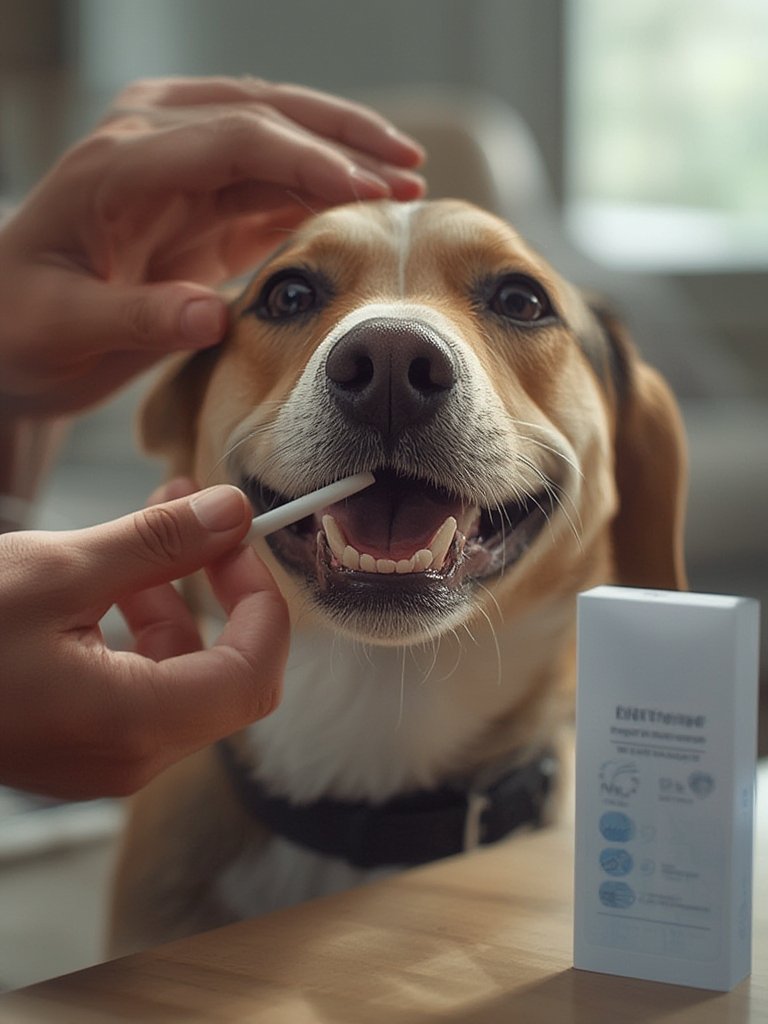
Once your results are in, take the time to cross-reference findings with reliable canine health and behavior resources. Since most test kits do not offer personalized action plans or vet-reviewed insights, consulting with a veterinarian after testing gives you a clearer path forward—especially if a hereditary risk or rare breed is revealed.
DNA test results can also inspire new care routines. Consider using a medicated shampoo for dogs if your breed data highlights skin sensitivities. Or switch to a fresh or raw dog food delivery service if breed or health markers suggest food allergies.
Remember, no DNA test can replace regular vet screening. Results about health risks indicate potential, not diagnosis.
Advanced Analysis & Common Pitfalls
Despite the hype, there are substantial blind spots in the dog DNA test market:
- Lack of Independent Accuracy Data: Leading kits cite large breed databases (like Embark and Wisdom Panel), but unbiased, peer-reviewed validation studies are not publicly available. Each brand may interpret your dog’s genes slightly differently.
- Opaque Privacy Practices: Very few brands openly share how your dog’s DNA may be stored, sold, or shared with researchers, third parties, or even law enforcement. There’s little coverage of consumer rights or opt-out options in public-facing documents as of 2024.
- Missing Verified Customer Reviews: Most available market research focuses on financials and adoption, not on real-world user satisfaction. Complaints (inconsistent results, poor customer service, confusing reports) are not tracked across platforms.
- Results May Vary by Database Size: Kits with larger, more diverse databases tend to produce more accurate results for mixed-breed dogs, but direct comparison data is unavailable in the published research.
- Potential Upsells and Hidden Fees: Pricing and turnaround times vary widely, with some add-on reports or subscriptions not clearly marketed upfront.
| Potential Issue | Reality/2024 Data | What to Watch For |
|---|---|---|
| Test Accuracy | No peer-reviewed performance data for most leading kits | If accuracy claims lack real data, results could be error-prone |
| Customer Reviews | Verified user complaints are not published in market research | Always check independent review sources and pet forums first |
| Privacy | No public info on data-sharing or opt-out options | Contact the company directly about privacy or data retention rights |
| Cost & Turnaround | No consistent public data; expect 2–6 weeks delays or hidden add-ons | Confirm shipping, optional upgrades, and timelines before buying |
| Feature Set | Claims exist, but actionable health or behavior guides not well documented | If you want expert action plans, check for veterinary integrations |
For most owners, it’s easy to overestimate what a dog DNA test provides. If you want to pair insights with effective home care, look into targeted products like dog probiotics for digestive health, dog calming chews for stress management, or even a deodorizing spray for certain types of dog coats.
For breeds prone to excessive shedding, results might prompt a switch to a shed-control shampoo to avoid tangles and fur buildup.

Bottom line: Treat a DNA test as one part of your decision-making toolkit—never as the sole authority on your dog’s health or behavior.
Conclusion
Dog DNA test kits offer a window into your pet’s genetic makeup and health—but current market data shows real limitations. As of 2024, industry research highlights explosive growth and consumer demand, but accuracy metrics, validated user reviews, and transparent privacy policies are still lacking. Before you buy a kit, research independent product comparisons and always consult your vet about results. Ready to dig deeper into your dog’s health? Try a top-rated dog shampoo or explore automatic feeder options to support your dog’s well-being between appointments.
If you want to stay informed about advances in the dog DNA test market, check trusted sources like industry research reports and consult with veterinary professionals as more clinical validation data becomes available.
FAQ
How accurate are dog DNA test kits?
Most leading companies claim high accuracy for breed and health marker identification, but peer-reviewed validation data is rarely published. Results may vary depending on the size and diversity of the brand’s genetic database.
Can I use a dog DNA test to make health decisions?
Use these tests as a screening tool, not a diagnosis. Always confirm any health findings with a veterinarian to ensure proper care and follow-up.
How long does it take to get dog DNA test results?
Most companies give a range of two to six weeks. Actual timing depends on lab processing speed and mail service.
Are there privacy risks with dog DNA kits?
Some companies may retain or share your pet’s genetic data, but few publish detailed privacy policies. Contact the provider directly for their most recent practices and data retention terms before purchasing.
What should I do if my results are unclear or inconsistent?
Contact customer support for clarification and consider discussing the findings with your vet. Independent review sites or pet owner forums can also provide troubleshooting tips.
—