


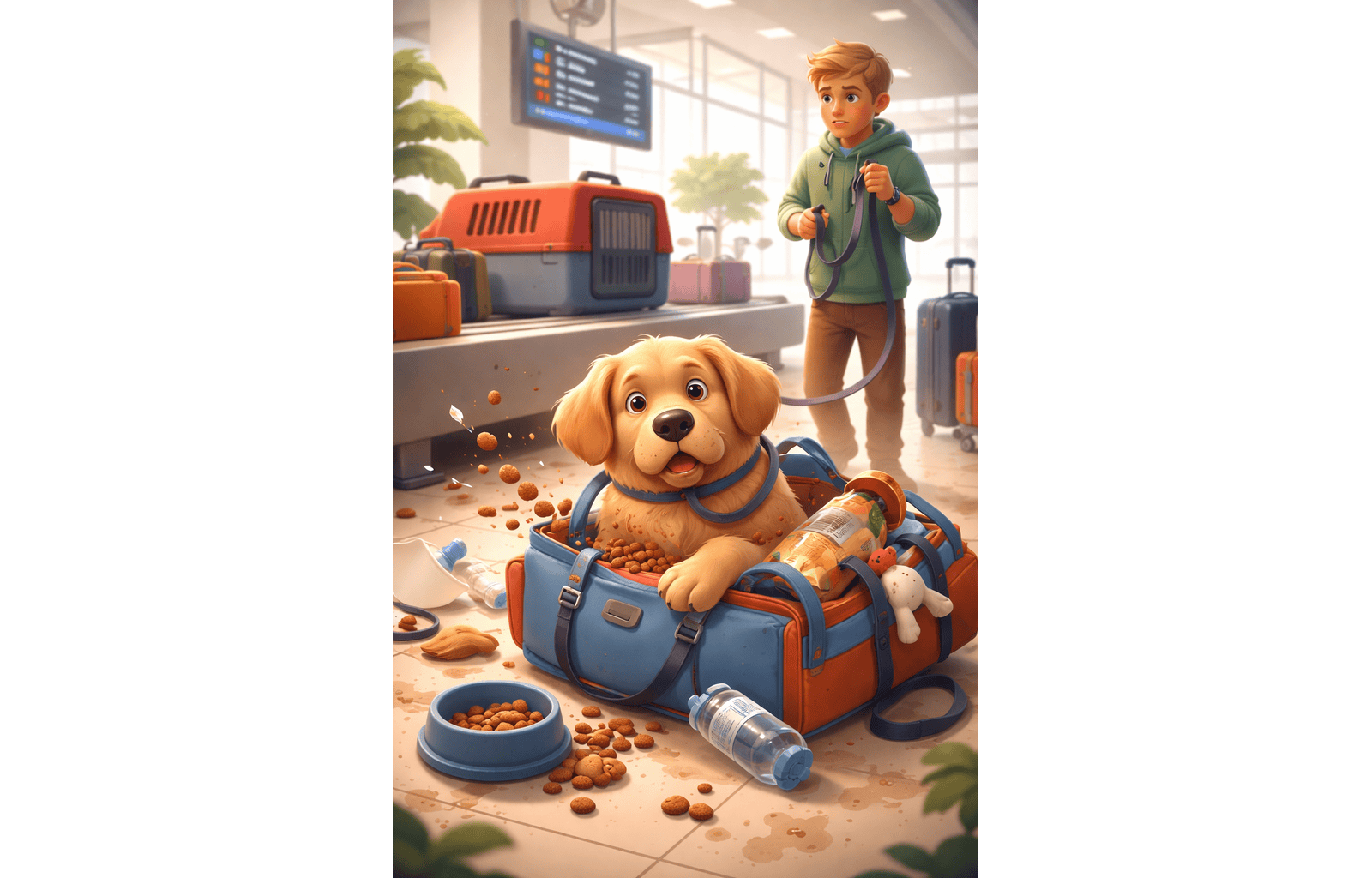
Dog Travel Bag choices have exploded in 2024 as more pet owners bring dogs along for vacations, road trips, and everyday outings. Picking the right dog travel bag matters for your dog’s comfort, your convenience, and staying compliant with travel regulations. This guide breaks down the real stats, must-have features, and actionable steps so you avoid costly mistakes and wasted purchases.
Key Takeaways
- The market for dog travel bags and organizers topped $400 million in 2024, with hands-free backpack styles leading sales growth (source).
- Top features to look for: waterproof materials, ventilated mesh, airline approval, padded interiors, and machine-washable fabrics.
- Pitfalls include poor durability, noncompliance with airline rules, and missing pockets for food, treats, or medicine.
- What Is a Dog Travel Bag and Why Should You Care?
- How to Choose and Use a Dog Travel Bag: Step-by-Step Guide
- Advanced Analysis & Common Pitfalls
- Conclusion
- Frequently Asked Questions
What Is a Dog Travel Bag and Why Should You Care?
A dog travel bag is a purpose-built carrier or organizer designed for transporting your dog and all their essentials during trips. Unlike basic totes, these bags are engineered to secure your pet, keep them comfortable, and carry supplies like food, medication, or grooming products (source).
In 2024, the surge in pet travel and “humanization” drove the dog travel bag market to USD 403.82 million (Market Report). Demand is propelled by pet-friendly airlines, hotels, and a rising culture of bringing pets everywhere, including commutes, vacations, and cabin stays. Smart design, durability, and compliance are now must-haves rather than nice-to-haves for dog owners.
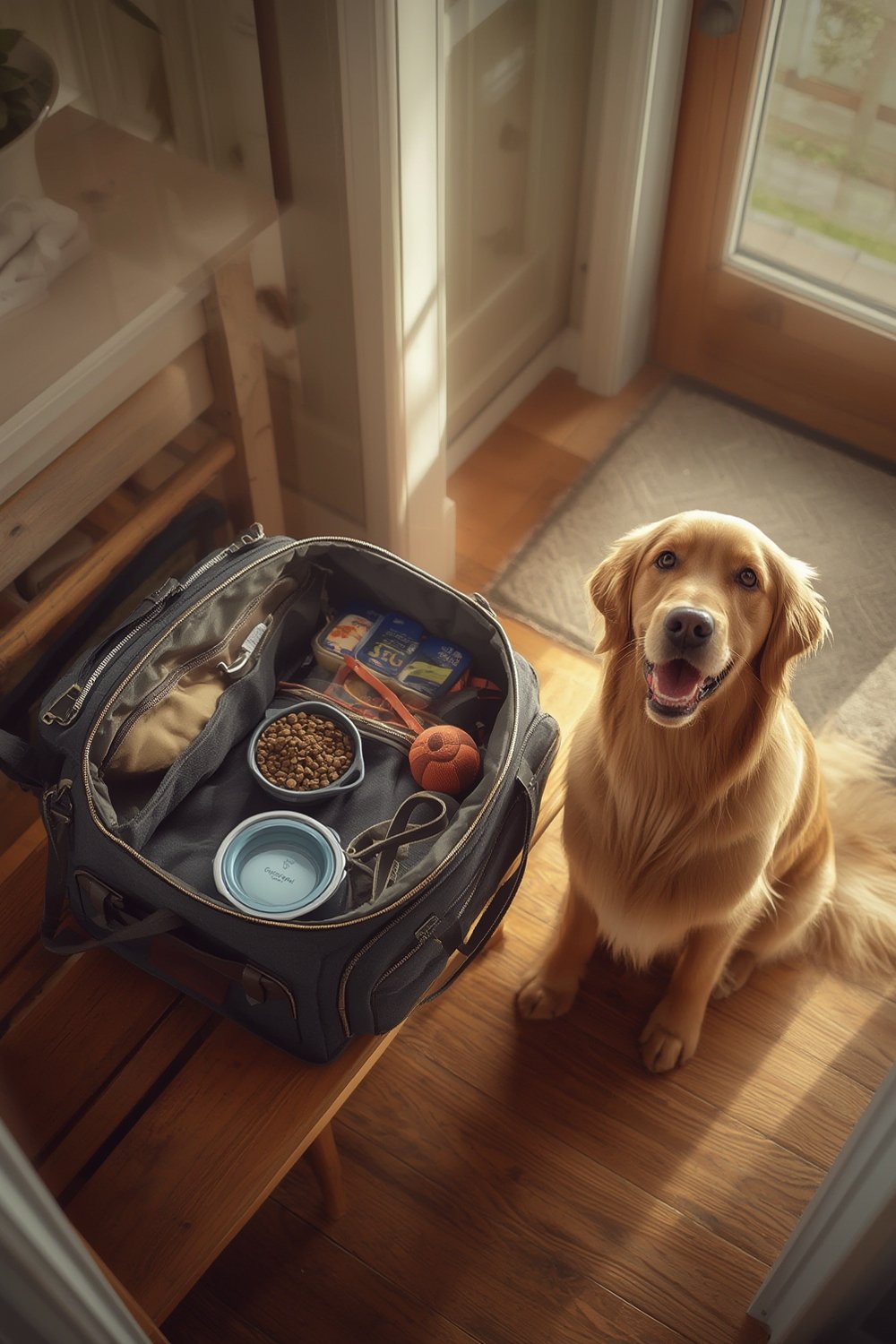
The right travel bag lets you organize dog food, bottles, bowls, medication, toys, and even a portable dog car seat all in one kit. This reduces your stress and supports your pet’s health, especially on long journeys. Poor bag choices, on the other hand, put your dog at risk of discomfort, injury, or noncompliance with airline or transit regulations.
How to Choose and Use a Dog Travel Bag: Step-by-Step Guide
-
Assess Your Travel Needs.
Determine how you’ll use the bag—short car rides, flights, road trips, or daily commutes? Each scenario demands different sizes and features. For frequent flyers, airline approval and foldable models are essential. For hiking or city walks, backpack dog travel bags offer hands-free comfort and even weight distribution.
-
Prioritize Build Quality.
Look for water-resistant or waterproof outer materials, ventilated mesh panels, and strong zippers or locks. High-quality bags protect against spills, accidents, and weather. Padded bases support your dog’s joints. Machine-washable liners make for easier cleaning after messy trips. All these features differentiate premium dog travel bags from the average ones (source).
-
Check Airline Approval and Dimensions.
Not all “airline-approved” bags meet current 2024 airline, TSA, or health regulations. Double-check dimensions and documentation before purchase, especially for cabin travel. Some airlines require specific ventilation, closure, and waterproofing features.
-
Evaluate Storage & Organization.
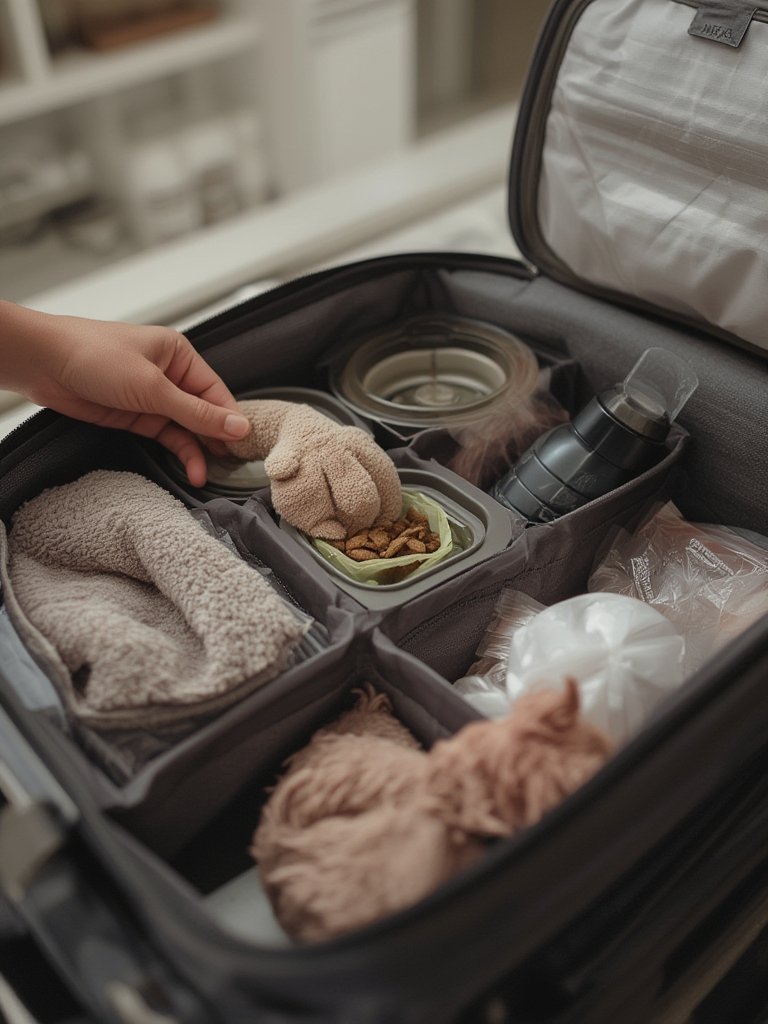
Superior bags include multiple pockets for treats, waste bags, foldable bowls, and food containers. Some even include insulated compartments or leak-proof pockets for water and medicine. Consider extras like car seat harness points or attachment straps.
-
Test for Ease of Use.
Try loading it up—can you access essentials quickly? Does it distribute weight evenly? Are the straps comfortable, especially for longer walks or hikes? Products that work in theory often disappoint in real-world use. Seek out feedback or try it around the house before a big trip.
Want organized paws-on recommendations for everyday grooming or hygiene on the road? Check out guides to medicated shampoo for dogs and pet deodorizer options, both of which travel well and solve issues like skin irritation or odor while away from home.
Advanced Analysis & Common Pitfalls
Despite hundreds of new options, several issues routinely disappoint pet owners:
- Poor Durability: Cheap zippers, thin fabric, or flimsy stitching mean many bags fail after a few uses. Tears, broken straps, and stuck zippers are among the top pain points cited in reviews on Amazon and Chewy.
- Missing Airline Compliance: “Airline approved” claims often fall short when checked against real-world 2024 regulations (source). Always verify dimensions and ventilation requirements with your carrier—not all soft-sided bags qualify.
- Insufficient Organization: Lack of compartments leads to tangled leashes, spilled dog treats, and last-minute digging for medication or poop bags.
- Heavy or Cumbersome Design: Bulky bags add stress, especially during urban travel or hiking. Wheels can help but add bulk; backpack-style organizers are best for hands-free movement.
- Lack of Custom Fit: Bags built for a one-size-fits-all approach rarely offer the right comfort for every breed or health need. Consider breed size, medical requirements, and physical limitations.
- Hidden Costs: Many bags seem affordable until you add shipping, accessories, or replacement parts (like water bottle attachments or cooling mats).
| Bag Feature | High-Quality Bags | Average/Basic Bags |
|---|---|---|
| Waterproof/Water-Resistant | Yes (outer & inner linings) | Rare or partial |
| Machine-Washable | Most have removable liners/bases | Seldom removable or washable |
| Ventilation | Full mesh or panel ventilation | Limited or small mesh windows |
| Organization | Multiple dedicated pockets, bowls included | Few compartments, messy for supplies |
| Airline Approval | Yes, with compliance label | Often vague or missing label |
| Comfort | Padded straps, support panels | Basic handles |
| Mobility | Backpack, rolling, convertible options | Single carry style |
| Price | Medium to high (invests in durability) | Low to mid (but can cost more in replacements) |
Expert tip: Don’t forget about hygiene products and comfort, especially for longer journeys! Bring compact items like antifungal wipes for dogs or a lick mat for enrichment to keep your dog healthy and relaxed on the move.
Conclusion
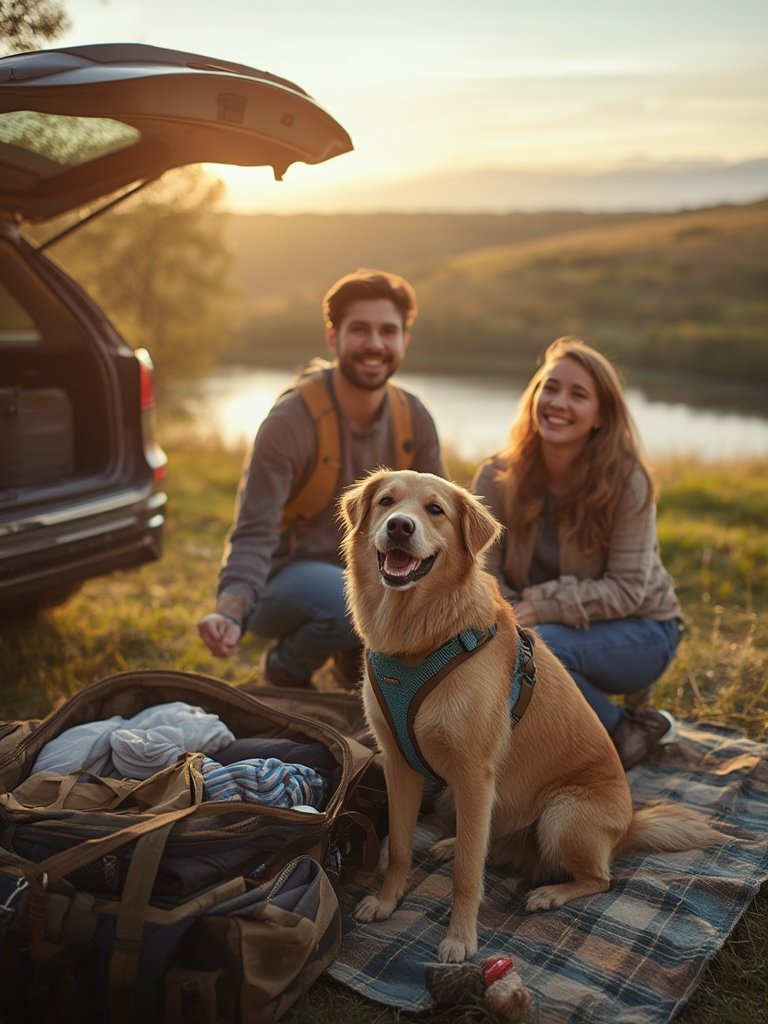
The market’s growth in 2024 puts pressure on buyers to avoid cheap imitations and select dog travel bags that fit their real needs. Focus on durable, waterproof materials, competent organization, and confirmed airline approval to keep travel stress-free. Do your research, prioritize comfort, and don’t be tempted by bargain bags that sacrifice essential features for price.
Ready for more dog wellness and travel solutions? Dive into our full guides on dog grooming shampoos or probiotics for digestive health—perfect pack-ins for any modern dog travel bag. Choose well, and you and your dog will conquer every trip together. Selecting the right Dog Travel Bag is your first step to safe, happy adventures—start searching now!
Frequently Asked Questions
What size dog travel bag do I need?
Measure your dog’s length from nose to base of tail and height from floor to shoulder. Bags should add 2-4 inches to those dimensions for safe, comfortable movement. Always check airline or carrier requirements for specific limits.
Are dog travel bags allowed on all airlines?
No, requirements vary by carrier. Many airlines specify limits on bag dimensions, ventilation, waterproofing, and pet weight. Confirm with your airline before buying a new bag if flying is in your plans.
How do I keep my dog comfortable during travel?
Acclimate your dog to the travel bag at home before trips. Add a familiar blanket or toy, and keep snacks and water accessible. Take frequent breaks, especially for long drives.
Can I use a dog travel bag for day trips or outdoor adventures?
Yes. Backpack and convertible models are popular for hiking, city exploring, or dog-friendly events. Choose bags that distribute weight evenly and have pockets for water and waste bags.
Do I really need a specialized travel organizer, or will any sturdy bag do?
Generic bags lack dedicated pockets for food, water, and medication. Purpose-built dog travel bags offer safer ventilation, secure compartments, and compliance features that protect both dog and owner during travel.