


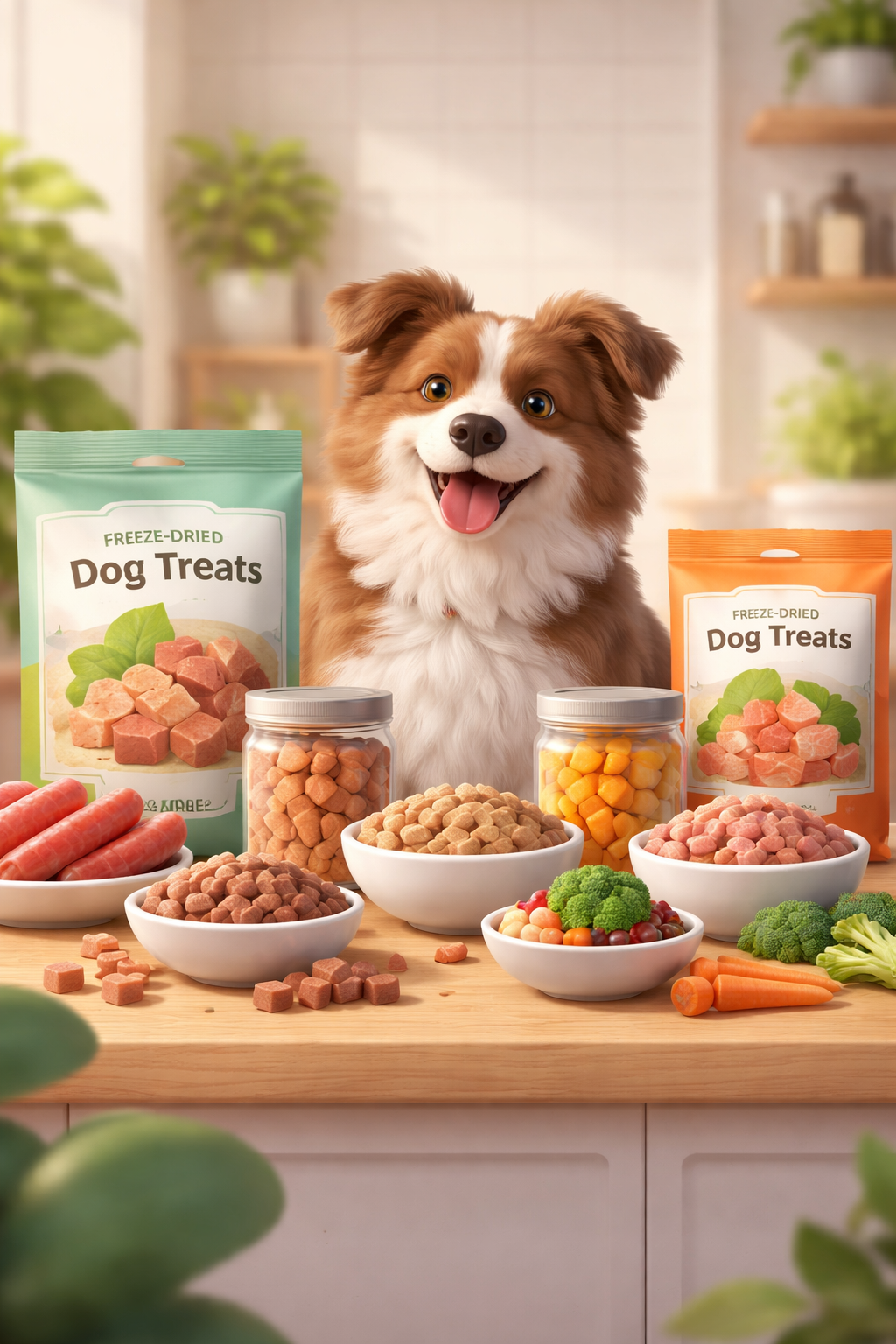
Freeze dried dog treats are one of the fastest growing segments in the pet food market today, offering convenience, high protein, and natural ingredients but with unique pros, cons, and costs every responsible owner should know.
Key Takeaways
- Freeze dried dog treats offer nutrient retention but come at a premium price and with some sourcing transparency gaps.
- Market trends show nearly double-digit growth, especially in North America and Asia Pacific, reflecting surging consumer demand for convenience and clean labels.
- There are important differences in ingredient quality, safety, and labeling standards between brands—smart buyers make informed choices.
- What Are Freeze Dried Dog Treats and Why They Matter
- Step-by-Step Guide: Choosing and Using Freeze Dried Dog Treats
- Advanced Analysis & Common Pitfalls
- Conclusion
- Frequently Asked Questions
What Are Freeze Dried Dog Treats and Why They Matter
Freeze dried dog treats are minimally processed snacks made by removing moisture from fresh meat, fish, or whole food ingredients in subzero vacuum chambers. Unlike baked treats, which require heat and may degrade nutrients, freeze drying preserves proteins, fats, vitamins, and flavors—locking in taste and aroma most dogs love. This rapidly growing category serves pet owners seeking clean-label, convenient nutrition for dogs of all ages.
Recent data from DataIntelo shows the global freeze dried pet treats market hit USD 1.37 billion in 2024 with an 8.2% CAGR, largely due to rising pet ownership, e-commerce, and a shift toward natural pet diets. North America and Asia Pacific continue to lead growth, showing strong consumer demand for premium pet products.
Freeze dried treats are prized for:
- Retaining nearly all original nutrients without preservatives
- Convenient, shelf-stable storage and feeding
- Single-ingredient, often hypoallergenic options for sensitive dogs
Yet, not all freeze dried treats are equal. Differences in sourcing, ingredient transparency, and safety practices matter.
Step-by-Step Guide: Choosing and Using Freeze Dried Dog Treats
Ready to add freeze dried dog treats to your routine? Follow these steps to get value for your money and ensure your dog’s safety and satisfaction:
- Review the Ingredient List
Look for single-protein, natural ingredient lists without additives, fillers, or artificial flavors. Premium freeze dried dog treats often contain just one to two ingredients, such as beef liver or wild-caught salmon. Avoid treats with sweeteners, colorants, or “meat meals.” If your dog has allergies or a sensitive stomach, stick to limited-ingredient or novel protein varieties. - Understand the Sourcing
Not all brands use the same quality of animal protein. Look for products sourcing meat from USDA-inspected facilities, or those with third-party testing for contaminants. Transparency on sourcing is a key sign of a responsible manufacturer. - Check for Batch Testing and Recalls
Search if the brand has a history of recalls or safety advisories. While no major recalls were reported in the last two years, European regulation of pet foods is stricter than in many other regions. Trust companies that conduct independent lab testing. - Compare Prices per Ounce
Freeze dried treats are typically more expensive than baked or dehydrated alternatives, but you usually feed less because of their dense nutrition. Expect to pay a premium for quality sourcing and organic certifications. - Transition Slowly
Introduce freeze dried treats gradually, especially for puppies or dogs with digestive issues. Rehydrate treats for senior dogs or those with dental problems. - Store Safely
Keep freeze dried treats in their original airtight packaging, away from humidity. Because they lack preservatives, improper storage can affect texture and flavor.
For complementary pet care, see how a medicated shampoo for dogs or a dog paw balm can reduce skin issues potentially aggravated by new foods or treats.
Advanced Analysis & Common Pitfalls
Most freeze dried dog treats deliver high protein and taste, but buyers should be aware of common pitfalls:
- Cost vs. Value: Freeze dried dog treats consistently cost more per ounce than baked or dehydrated options. Expect to pay 25% to 70% more. Budget accordingly.
- Chew Hardness: Some treats are difficult for smaller breeds or senior dogs to chew without rehydration.
- Sourcing Ambiguity: Many leading brands do not clearly disclose the exact source of meats or ingredients.
- No Universal Safety Standard: While Europe enforces stringent pet food standards, the U.S. and other markets still vary. Laboratory testing is not always routine.
- Allergy Risks: Dogs with allergies may react to even pure-meat treats if the protein is a trigger.
| Treat Type | Process | Typical Ingredients | Avg. Price/oz* | Nutrition Retained | Safety Notes |
|---|---|---|---|---|---|
| Freeze Dried | Freeze/vacuum dehydration | Single protein, offal, fish | High | Excellent | Requires good sourcing |
| Dehydrated | Warm air dehydration | Meat, veggies, grains | Medium | Good | May contain preservatives |
| Baked | High heat oven | Flour, protein, fats | Low | OK | Lower protein |
| Raw | None (uncooked) | Meat, bones, organs | High | Excellent when fresh | Pathogen risk |
*Current average price estimates are not published for 2024; “High” and “Low” refer to typical market trends based on Grand View Research.
For owners struggling with dog odor after switching treats, try a dog deodorizer or read up on antifungal wipes for dogs for rapid symptom relief.

Conclusion
Despite their price premium, freeze dried dog treats are a modern way to provide single-ingredient, nutrient-dense rewards for your dog. But gaps in ingredient transparency and a lack of universal standards mean you need to research brands and choose carefully. Always monitor your dog’s reaction and consult a veterinarian if trying new proteins or treats. By using the expert steps above, you can maximize the nutritional and training benefits of freeze dried dog treats and avoid the common mistakes many pet owners make. Explore your options and see if the added cost is worth the value for your dog—then reward them with a treat they’ll remember.
Ready to take your dog’s nutrition to the next level? Start by comparing freeze dried brands and review your ingredient labels today.
Frequently Asked Questions
Are freeze dried dog treats safe for puppies?
Yes, but always check the size and type. Soft, single-ingredient freeze dried treats can be excellent for training puppies, but introduce new foods slowly and consult your vet first.
How should I store freeze dried dog treats?
Keep them in an airtight container or resealable package, stored in a cool, dry place away from moisture and direct sunlight. This prevents spoilage and preserves freshness.
Are freeze dried dog treats better than dehydrated or baked?
Freeze dried treats retain more nutrition and flavor than baked treats, and usually have fewer additives than dehydrated options. They are, however, more expensive and sometimes harder for small dogs to chew unless rehydrated.
Why are freeze dried dog treats expensive?
The freeze drying process is technology intensive and slow, and many freeze dried treats use high quality, single-ingredient animal proteins. This drives up the price compared to bulk-baked or dried treats.
Can freeze dried dog treats cause allergies?
Yes, if your dog is allergic to a specific protein (like chicken or beef) freeze dried treats with those ingredients can trigger symptoms. Choose novel or single-protein treats and always monitor your dog for adverse reactions.
[…] guides to deshedding shampoo for stress-related coat shedding, paw balms for dry, stressed paws, or healthy freeze-dried treats for enrichment during stressful […]
[…] also worth reading up on healthy dog treat strategies and the benefits of dog probiotics for overall pet health when adjusting feeding […]
[…] Dog owners exploring this delivery model often want the best for pets with unique needs—such as chronic digestive issues that might also benefit from dog probiotics—or struggle finding high-value, minimally processed treats like freeze-dried dog treats. […]
[…] products. Offer premium options and spotlight wellness categories, such as dog probiotics or freeze dried dog treats. Encourage reviews and leverage negative feedback to fuel actionable […]