


If you’re worried about your cat’s hydration needs and searching for how to encourage cat to drink more water, you’re not alone. Many cat owners struggle with this issue—yet keeping your cat well-hydrated is critical for kidney, urinary, and full-body health. Let’s break down what works (and what doesn’t) with proven, actionable steps based on scientific insight—not myths.
Key Takeaways
- Cats are prone to dehydration due to their natural behaviors and low thirst drive—older or sick cats are most at risk.
- Simple changes at home can boost your cat’s water intake, like using water fountains and offering wet food.
- Recognizing early signs of dehydration can prevent serious health problems—act fast if you’re concerned.
- Why Cat Hydration Matters
- How to Encourage Your Cat to Drink More Water: Step-by-Step
- Advanced Analysis & Common Pitfalls
- Conclusion
- FAQ
Why Cat Hydration Matters
Cats naturally have a low thirst drive because their ancestors were desert animals, but that doesn’t mean dehydration is harmless. Insufficient water intake increases the risk of urinary problems, kidney disease, constipation, and even life-threatening emergencies if illnesses are present. Cats eating mostly dry food are especially vulnerable, as they need to drink considerably more to stay hydrated. Symptoms of dehydration—like sunken eyes, dry gums, lethargy, reduced appetite, or poor skin elasticity—rarely appear until dehydration is severe. Catching these signs late can have devastating consequences for your cat.
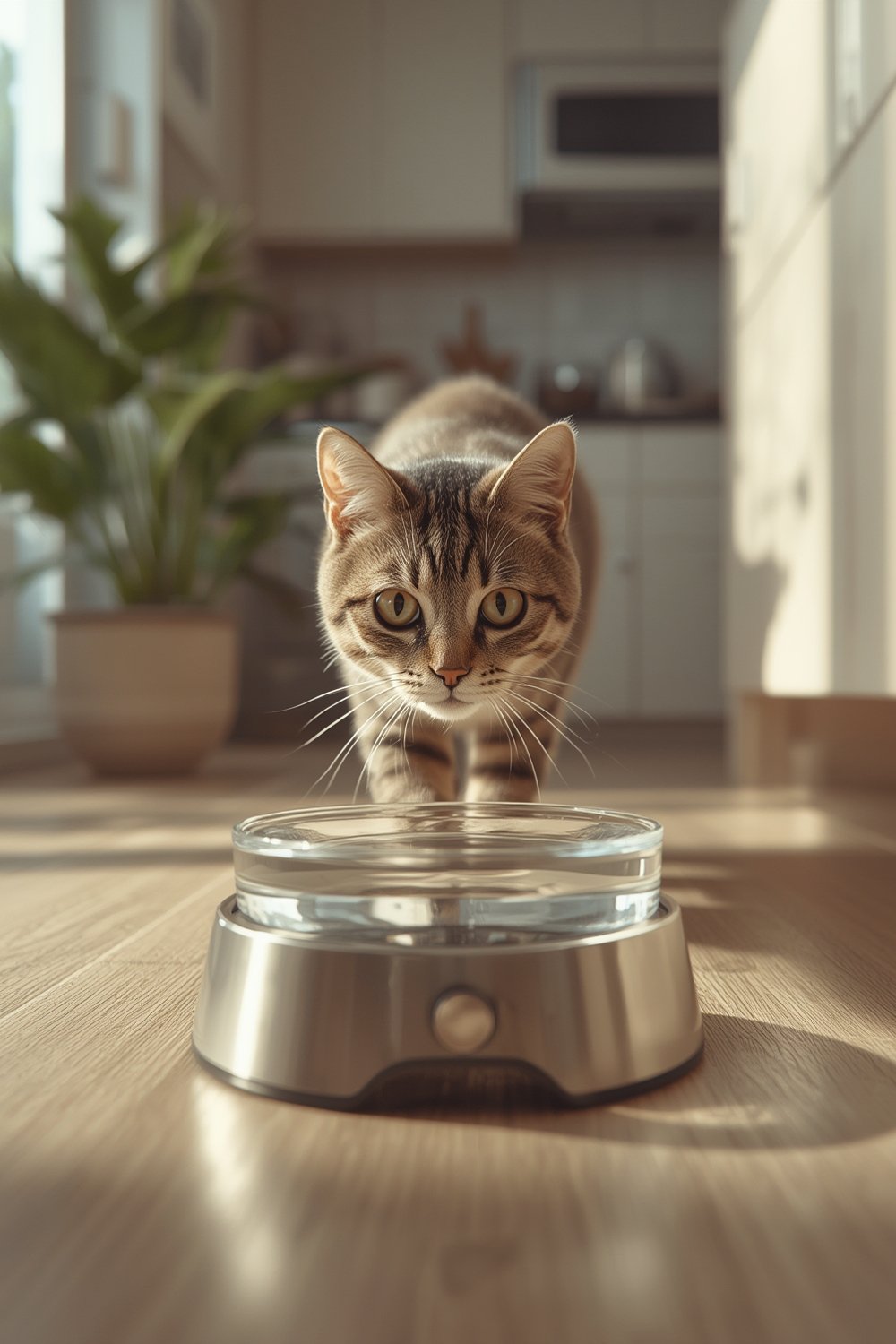
The most common causes for dehydration in cats are chronic illnesses (especially kidney disease and diabetes), heat exposure, dry cat food diets, and simply not liking the water that’s available. Older cats—over 12 or 15 years old—face up to a 30 percent risk of chronic kidney disease, which makes drinking enough water even more crucial [source]. That’s why every cat parent should know how to support healthy hydration at home and recognize when extra veterinary support is needed.
How to Encourage Your Cat to Drink More Water: Step-by-Step
-
Feed More Wet Food
Canned or raw wet foods typically contain 70-80 percent water. This naturally boosts your cat’s daily intake compared to dry food, which has only about 10 percent. Gradually replacing some of your cat’s dry kibble with high-quality wet food is one of the most effective ways to prevent dehydration. -
Cat Water Fountain
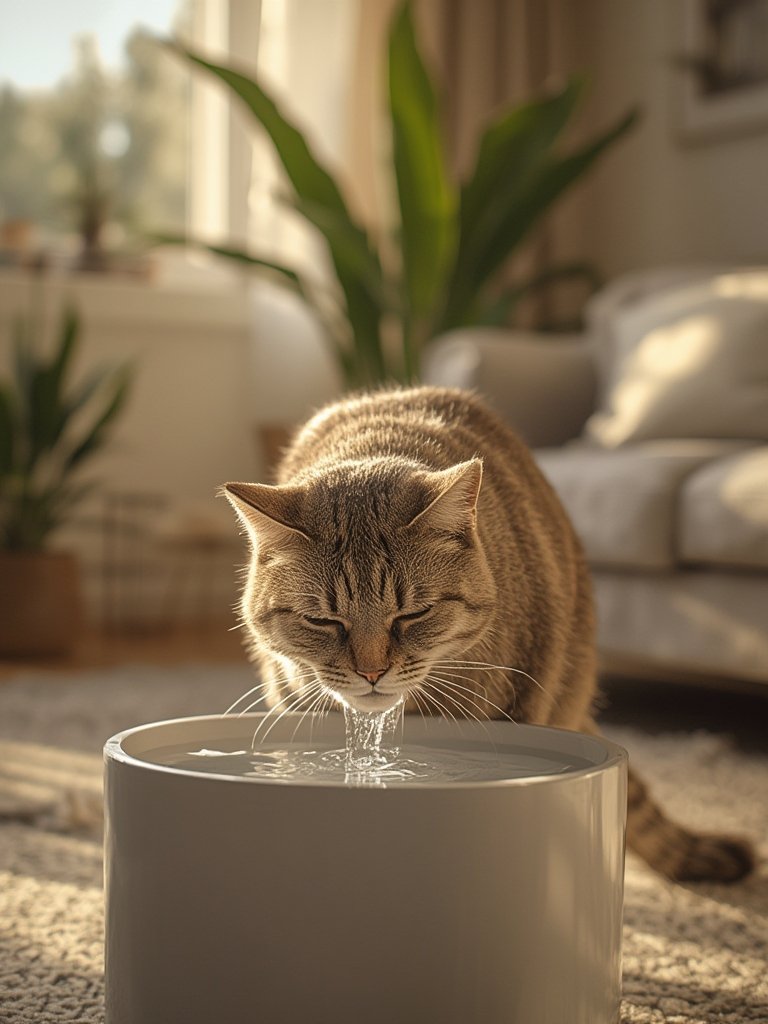
Cats are often drawn to moving water. Water fountains circulate and filter the water, keeping it cool and fresh. In a recent survey, 26.2% of cats preferred drinking from fountains over bowls [source]. If you want to compare features and the best picks, check our automatic cat water fountain guide. -
Offer Multiple Bowls
Place several water bowls or fountains in different, quiet areas of your home. Some cats prefer water away from their food and litter box, so experiment with placement for best results. -
Use Cat-Safe Bowls
Use wide, shallow ceramic or glass bowls rather than plastic, which can attract odors and bacteria. Clean bowls daily and refresh the water often—cats are turned off by stale or dirty water. -
Add Flavor or Ice Cubes
Occasionally, you can add a splash of tuna water (no salt or seasoning) or a cat-safe broth for extra appeal. Some cats enjoy playing with ice cubes in their bowl, which also chills the water—perfect for hot days. -
Monitor Intake & Health
Track how much your cat drinks (you can even use tech like a WiFi pet feeder with camera for multi-pet homes). Watch for any drop in water consumption, and consult your vet if you notice any dehydration symptoms.
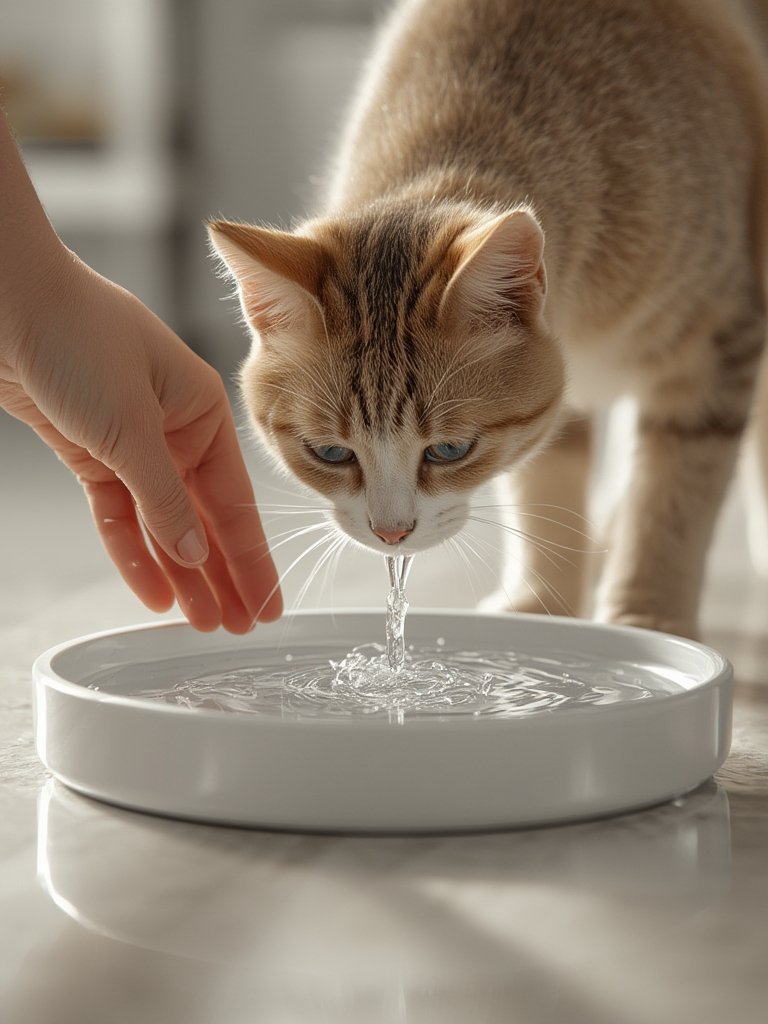
Additional advanced options include adding water directly to your cat’s wet or dry food (a little at a time to avoid sogginess), or elevating the bowl with a safe stand for cats with arthritis.
Remember: If your cat is on a prescription cat food for urinary health, always check with your vet before making changes—hydration needs may differ based on medical needs. If you notice persistent problems, such as low water intake despite changing your approach, consult a veterinarian immediately.
Advanced Analysis & Common Pitfalls
While boosting your cat’s hydration might sound simple, real-world challenges often get in the way. Here’s what recent research and experience reveals:
- Ignoring Medical Causes: If your cat is suddenly drinking much more or less, don’t just adjust water bowls. Excessive thirst or low intake can signal diabetes, kidney issues, thyroid disease, or infection. Always rule out medical problems.
- Overlooking Subtle Signs of Dehydration: Over half of owners don’t notice increased thirst as a dehydration warning [source]. Don’t just wait for obvious symptoms—watch for sunken eyes, tacky gums, and listlessness.
- Using Only Dry Food: Cats on dry food alone are predisposed to chronic dehydration—even if they seem to be drinking from their bowl. Wet food provides as much as 200g/day of water, versus under 3g/day from dry food alone [source].
- Dirty or Poorly Placed Bowls: In a small study, cats drank least from bowls when water was dirty or changed infrequently. Water bowls kept close to litter trays or in high-traffic zones get ignored.
- Myths About Cats Self-Regulating: Many believe cats “know” when they need water. In reality, most cats do not experience strong thirst until they are already dehydrated [source].
| Hydration Strategy | Pros | Cons |
|---|---|---|
| Wet Food Diet | Most effective; high water; easy transition for many cats | Higher cost, can be messy, not always feasible for prescription needs |
| Water Fountain | Encourages drinking, provides filtered water, fun for cats | Needs cleaning, some cats dislike pump noise, power supply required |
| Multiple Bowls | Flexible, cheap, appeals to cats who like routine/quiet | Requires daily refreshing, bowls may be ignored if poorly placed |
| Flavor Additives/Ice Cubes | Temporarily increases interest, can be rotated as a treat | May cause dietary upset if not cat-safe, short-lived effect |
Also remember: Not talking to your vet about hydration is a mistake. In one survey, 65 percent of owners had never discussed their cat’s water habits with a veterinarian [source]. If hydration struggles persist despite everything, investigate medical factors and ask your clinic for customized advice.
If you’re already keeping a clean home with tools like a pet air purifier or eco friendly cat litter, use the same diligence with water bowls. Cats are more likely to drink in a fresh-smelling, calm environment.
Conclusion
Simple changes can make a big difference if you want to know how to encourage cat to drink more water. Prioritize wet food, fresh water delivery, the right bowls, and close monitoring. Always seek medical help for sudden changes or concerning symptoms. Your proactive approach can help your cat avoid dehydration and the serious complications that come with it. Start today—your cat’s health depends on it.
FAQ
How much water should my cat drink each day?
Most cats need about 50–60ml per kilogram of body weight daily. For a typical 4kg cat, that’s around 200–240ml (nearly one cup). Cats on wet food naturally drink less, since their food provides extra water.
What are clear signs my cat is dehydrated?
Look for sunken eyes, dry/tacky gums, loss of energy, skin that doesn’t quickly snap back when gently pulled, loss of appetite, and increased panting. Even mild dehydration affects organ function—seek veterinary advice if you notice these symptoms.
Are water fountains better than bowls?
Many cats prefer fountains because they mimic running streams, which signal freshness in nature. However, some cats dislike noise or the pump, so it’s best to test both options. Bowls work as long as water is kept clean and refreshed daily.
Can I flavor my cat’s water to encourage drinking?
Yes—but use only plain, unsalted broth or a dash of tuna water in moderation. Avoid anything with garlic, onion, or added salt. Always provide a second bowl of plain water as well.
What if my cat refuses all your tips?
If your cat still won’t drink, try offering ice cubes, switching bowl materials/locations, or feeding extra-wet food. If nothing works, consult your vet to rule out illnesses or try specific appetite stimulants for hydration.