


### Blog Post:
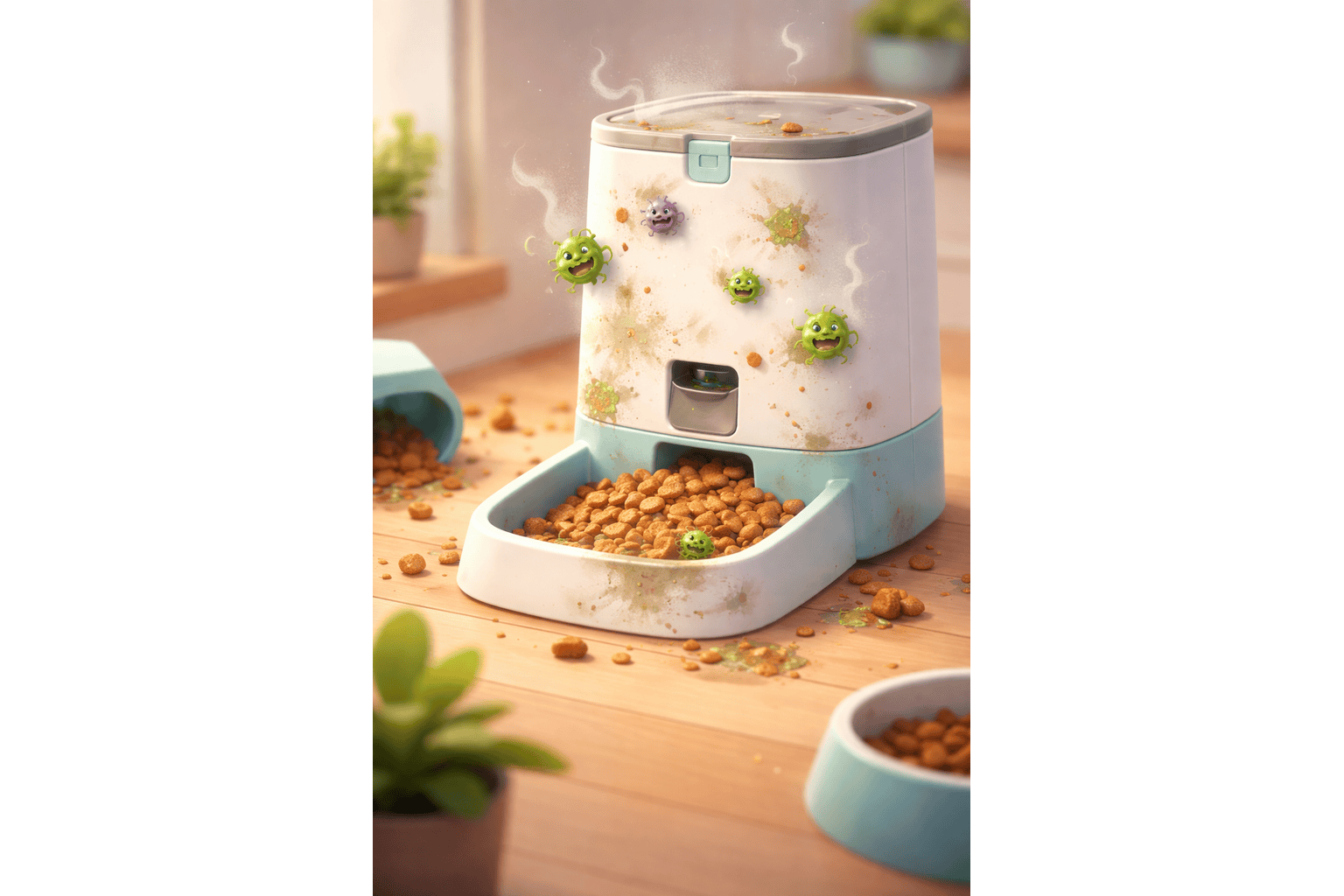
How to clean an automatic pet feeder is a detail that most pet owners overlook—until a dirty, smelly, or malfunctioning device causes real trouble. Whether you’re fighting stuck kibble, hidden bacteria, or just bad odors, knowing the right cleaning method is essential for your pet’s health and your peace of mind.
Key Takeaways
- Consistent and thorough cleaning prevents harmful bacteria and keeps your automatic pet feeder working smoothly.
- Choose cleaning products and methods that are safe for your pet and compatible with your feeder’s materials.
- Ignoring deep-cleaning steps or maintenance may lead to feeder malfunction, food contamination, and costly replacements.
- What Makes Automatic Pet Feeders Tricky to Clean?
- Step-by-Step Guide: Cleaning Your Automatic Pet Feeder
- Advanced Analysis & Common Pitfalls
- Conclusion
- FAQ
What Makes Automatic Pet Feeders Tricky to Clean?
Automatic pet feeders are designed to make pet care easier, but they come with unique hygiene challenges. Unlike standard bowls, these feeders have moving parts, electronic components, and hard-to-reach crevices where food particles and moisture accumulate. This creates the perfect environment for bacteria to thrive—especially with moist or semi-moist foods.
Research in pet food hygiene highlights a high risk of bacterial contamination in food-contact surfaces, especially when using wet food or metal parts (source, source). However, automatic feeders pose additional problems. Some materials trap odors. Some plastic components degrade with harsh cleaning agents. Not all parts are water-resistant, so poorly planned cleaning can damage the electronics inside.
Manufacturers often bury cleaning details deep in their manuals—or skip them. That leaves owners guessing at the right frequency and safest cleaning method. Left unchecked, residue can jam feeder mechanisms, leading to malfunction or microbe growth. Worse, a poorly maintained automatic pet feeder may even put your pet’s health at risk. Learn more about smart automatic pet feeders here.
Step-by-Step Guide: Cleaning Your Automatic Pet Feeder
Regular cleaning keeps your feeder hygienic, odor-free, and functioning as it should. Here’s a realistic step-by-step process pet owners can follow, regardless of feeder brand or type.
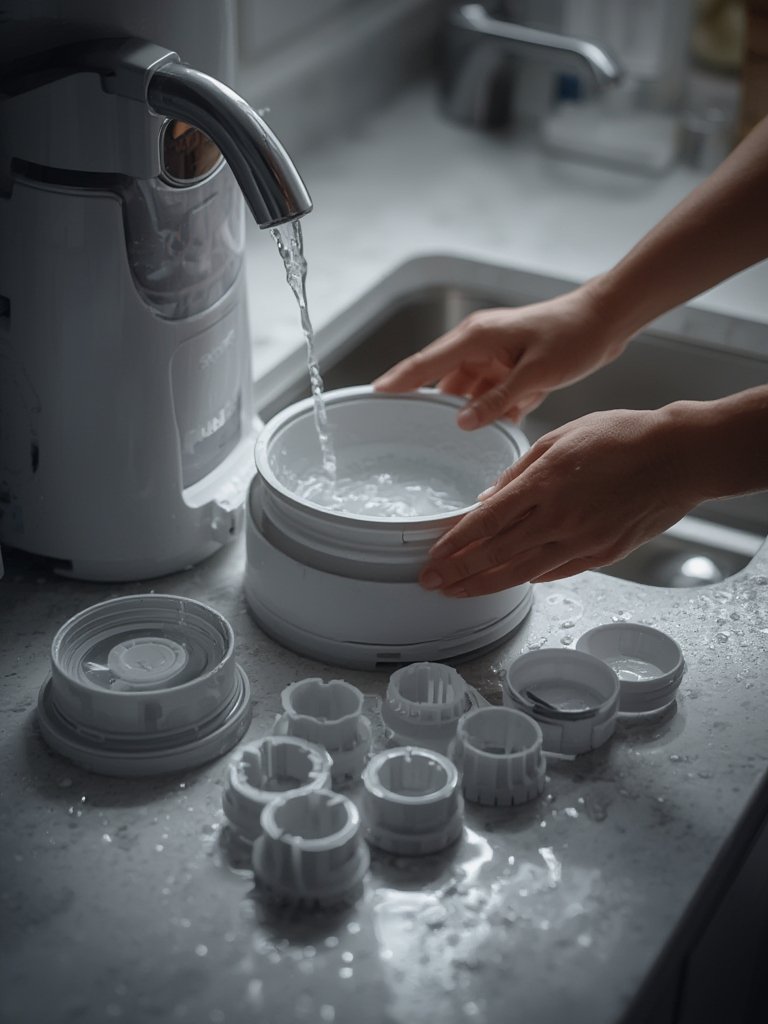
- Disassemble the feeder completely. Remove the food hopper, bowl, chute, lids, and any dishwasher safe inserts. Keep electronics or display panels away from water.
- Wash removable parts in warm, soapy water. Use unscented dish soap and a non-scratch sponge. Avoid scented or antibacterial soaps, which may leave residues harmful to pets. Rinse thoroughly and let air dry.
- Wipe down electronic components. Dampen a microfiber cloth with a 50/50 mix of water and white vinegar. Wipe all non-removable parts carefully—never spray water directly onto the device. For sticky spots, re-wipe with a fresh damp cloth.
- Clean chute, crevices, and sensors. Food debris in these areas triggers jams. Use a pipe cleaner or compressed air for stubborn buildup but stay gentle to avoid bending sensors.
- Sanitize with a pet-safe solution. Once a week, finalize cleaning with either a diluted vinegar solution or a pet-friendly disinfectant suitable for food utensils. Double-rinse and air dry before reassembly.
- Reassemble and test. Put all parts back once dry. Test the unit with a small food portion and observe one feeding cycle to make sure everything works smoothly.
For ongoing freshness, pair cleaning with a regular odor control routine. Use pet deodorizers or consider a nearby pet air purifier for persistent food smells. Stuck residue or mystery odors? Try soaking removable parts in a water and baking soda solution for 30 minutes before scrubbing.
If your feeder relies on special bowls or mats, always check with the manufacturer or refer to guides for safe cleaning of enrichment devices.
For best results, establish a scheduled deep clean every 1–2 weeks, or more often for wet food users, multiple pets, or humid homes.
Advanced Analysis & Common Pitfalls
Cleaning your automatic pet feeder isn’t as easy as tossing a bowl in the dishwasher. These are the most common and often overlooked obstacles:
- Water damage: Many users accidentally soak the main unit, damaging circuits or shorting displays. Only immerse fully removable, marked-safe parts.
- Wrong cleaning products: Strong chemical cleaners or some antibacterial wipes can degrade plastics, introduce toxins, or corrode sensors—always opt for pet-safe and manufacturer-approved products.
- Incomplete disassembly: Skipping hard-to-reach areas leads to hidden buildup, bad smells, and bacterial growth. Consult your user manual for diagrams—if you don’t have one, most major brands post PDF manuals online.
- Neglecting sensors and moving parts: Dust, kibble dust, and oils quickly build up, causing jams or inaccurate feeding schedules.
- Forgetting about food residue timing: Wet and semi-moist food residue becomes a magnet for bacteria and mold, requiring more frequent cleaning compared to dry food users (study).
| Material Type | Pros | Cons | Cleaning Frequency |
|---|---|---|---|
| Plastic | Lightweight, affordable, common | Scratches easily, may harbor bacteria in cracks | 2 times per week (minimum) |
| Stainless Steel | Does not absorb odors, more hygienic, durable | Higher bacteria count after wet food use, can show water stains | 2–3 times per week (especially for wet food) |
| Ceramic | Heavy, stable, easy to wash | Breakable, chips may harbor debris | 2 times per week |
For specialty feeders and devices with intricate electronics, reviews suggest even more focused cleaning is a must—otherwise you’ll face feeding errors or device failure. For tips on long-term device maintenance and smart feeder technology, see our Smart Automatic Pet Feeder Guide.
Thinking of a full health and hygiene upgrade? Try adding medicated dog shampoo to reduce skin issues from food contact, or antifungal wipes for cleaning up pet paws and eating areas.
Conclusion
A clean automatic pet feeder is essential for healthy, happy pets and a hassle-free home. By following these steps, you reduce bacteria risk, minimize bad odors, and keep your feeder running for the long haul. Don’t let hidden grime ruin the convenience of your investment—establish a routine today. Need a deep clean? Revisit this guide on how to clean an automatic pet feeder any time for best results. Start your cleaner-feeder routine now and ensure your pet’s bowl is always safe and fresh.
FAQ
How often should I clean my automatic pet feeder?
At least once a week for dry food. Wet food users, multiple pets, or humid homes should clean 2–3 times a week. Always deep-clean monthly, regardless of usage pattern.
What kind of soap should I use?
Use fragrance-free, unscented dish soap. Avoid antibacterial or strongly scented products as residue can bother pets and degrade plastic parts.
Can I put automatic pet feeder parts in the dishwasher?
Most removable bowls and trays are dishwasher safe—double-check your manual. Never put electronic or motorized components in the dishwasher or submerge them in water.
What’s the best way to control odors in my feeder?
Regular cleaning, soaking with vinegar solution, and pairing with pet-safe deodorizers or even a pet air purifier can help eliminate persistent odors.
Is there a quick daily routine to keep feeders fresh?
Wipe down food contact areas daily with a damp cloth and remove any leftover food. A weekly deep clean keeps the unit safe and effective in the long-term.