


### Blog Post:
Interactive Cat Toys are changing how we enrich our cats’ lives, offering high-tech engagement that taps into instinct while solving boredom and behavioral issues. In 2024, these toys are more advanced—and controversial—than ever, but not every solution fits every cat.
Key Takeaways
- Interactive cat toys drive billion-dollar growth, fueled by demand for stimulation, technology, and sustainability.
- Features simulating prey (movement, sound, texture) and smart tech (app control, motion sensors) work best, but battery, durability, and safety remain concerns.
- Price, measurable results, and warranty terms are often unclear, so realistic expectations and active supervision matter.
- What Are Interactive Cat Toys and Why Are They Trending?
- How to Choose and Use Interactive Cat Toys: Step-by-Step Guide
- Advanced Analysis & Common Pitfalls
- Conclusion
- FAQs
What Are Interactive Cat Toys and Why Are They Trending?
Interactive cat toys combine motion, sound, texture, and sometimes smart technology to mimic the hunt and ignite a cat’s natural instincts. As most cats live indoors and risk boredom, these toys promise vital stimulation—reducing destructive habits and improving overall feline well-being.
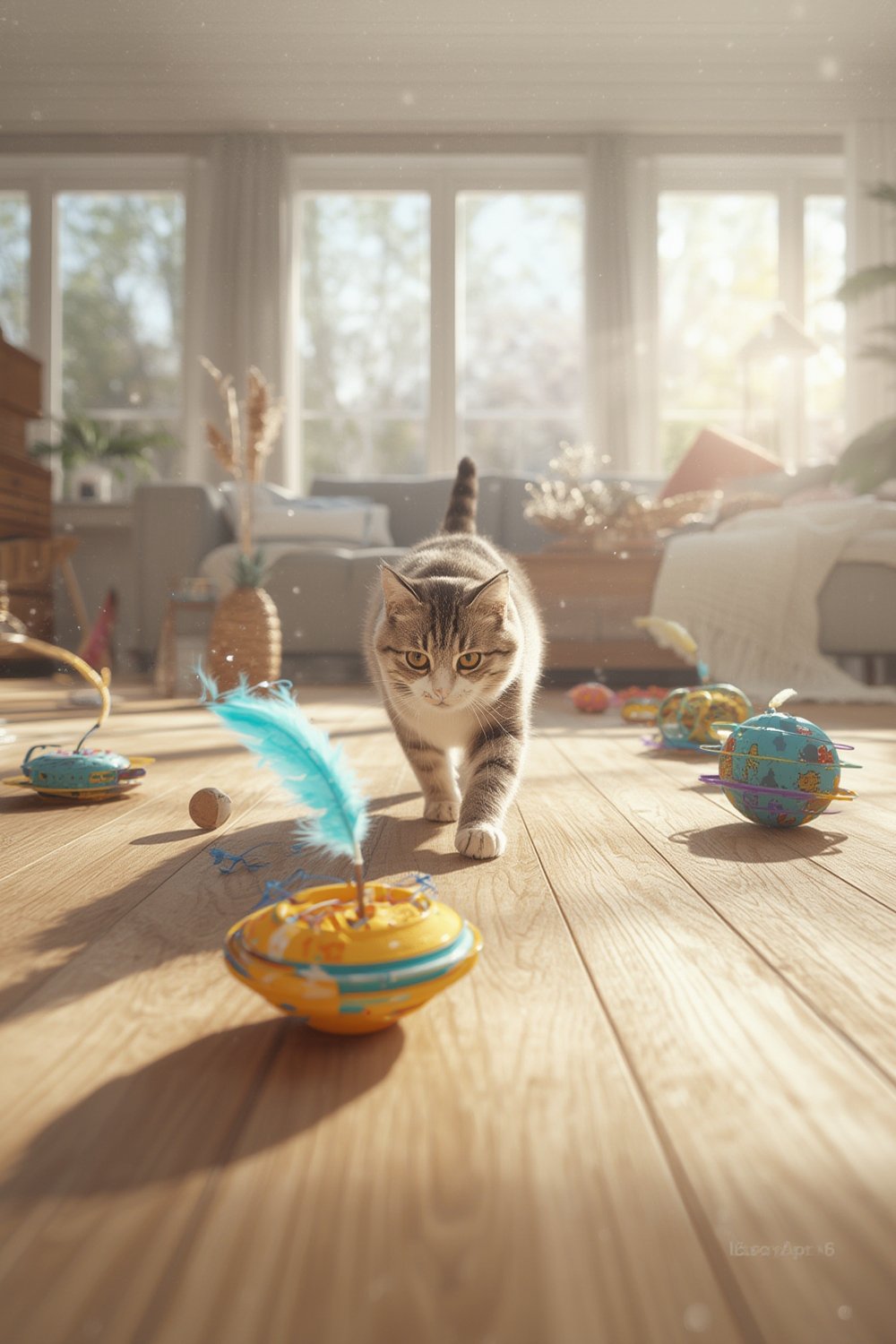
Market growth is driven by pet humanization, rising incomes, and a shift towards tech-driven enrichment. The global cat toys market is projected to reach $4.5 billion by 2035, with interactive and smart toys holding a massive market share. Owners want durable, easy-to-clean products made from safe or sustainable materials and appreciate app control, automation, and features that extend feline engagement while unsupervised. Digital tools open new forms of play, but device longevity, safety, and cost efficiency can vary.
Major players like Potaroma, Cheerble, PETLIBRO, and Catit are pushing boundaries, but not all products hit the mark—there’s a gap between what cats need and what brands deliver. For a full look at modern feline enrichment and complementary products, read about automatic cat water fountains or explore the eco benefits of tofu cat litter.
How to Choose and Use Interactive Cat Toys: Step-by-Step Guide
Getting the best from interactive cat toys means more than just buying the latest device. Follow this practical guide for smarter choices and better feline engagement.
- Assess Your Cat’s Instincts and Triggers
Observe your cat’s preferred prey style: chaser, hunter, stalker, or problem solver? Choose toys mimicking that—think feather wands or erratic-rolling balls for chasers, puzzle feeders, or treat-dispensing balls for problem solvers. Many of these work especially well for indoor cats or those transitioning from outdoor life. For ideas on enrichment, see how lick mats benefit both cats and dogs. - Check for Durable Materials and Easy Cleaning
Prioritize toys made from non-toxic, BPA-free plastics or recyclable rubber. Look for parts that detach for cleaning, especially if food is involved. Consider sustainable choices—cats are rough, so eco-friendly and sturdy build matters. Not all devices pass the chew or scratch test. - Evaluate Tech Features Realistically
The best interactive cat toys come with motion sensors, automatic shutoff, and app control. But flashy isn’t always better: too many sounds or fast movement can be overstimulating or scary. Start simple and observe your cat’s reaction—gradually add complexity. - Pay Attention to Battery and Charging
Many smart toys use AAA batteries or USB charging, but battery life can disappoint. Check actual user reviews for clues or buy toys that auto-sleep to conserve energy. Battery-free classic interactive toys (like manual puzzle feeders) always win for reliability but require owner involvement. - Create an Enrichment Zone
Set up an area where your cat expects fun—space to stalk, pounce, or chase. Avoid areas near water or litter to reduce contamination. For a cleaner space, read this guide to cleaning pet feeders. - Supervise Initial Play and Adjust
Stay present at first—watch for signs of distress, overstimulation, or lack of interest. If possible, tweak settings (speed, lights, timer) to match your cat’s preferences—some learn slowly, others lose interest if things are too easy or repetitive. - Combine with Feeding or Puzzle Elements
Integrating food with hunt-style toys can motivate even shy or older cats. Puzzle feeders promote problem-solving and slow eating. For enrichment meal ideas, see this urinary care cat food guide. - Monitor Wear and Safety Regularly
Inspect toys weekly for cracks, loose batteries, or sharp edges. Discard any toys that break easily or don’t hold up to chewing. High-tech does not mean high safety—manual inspection is best.
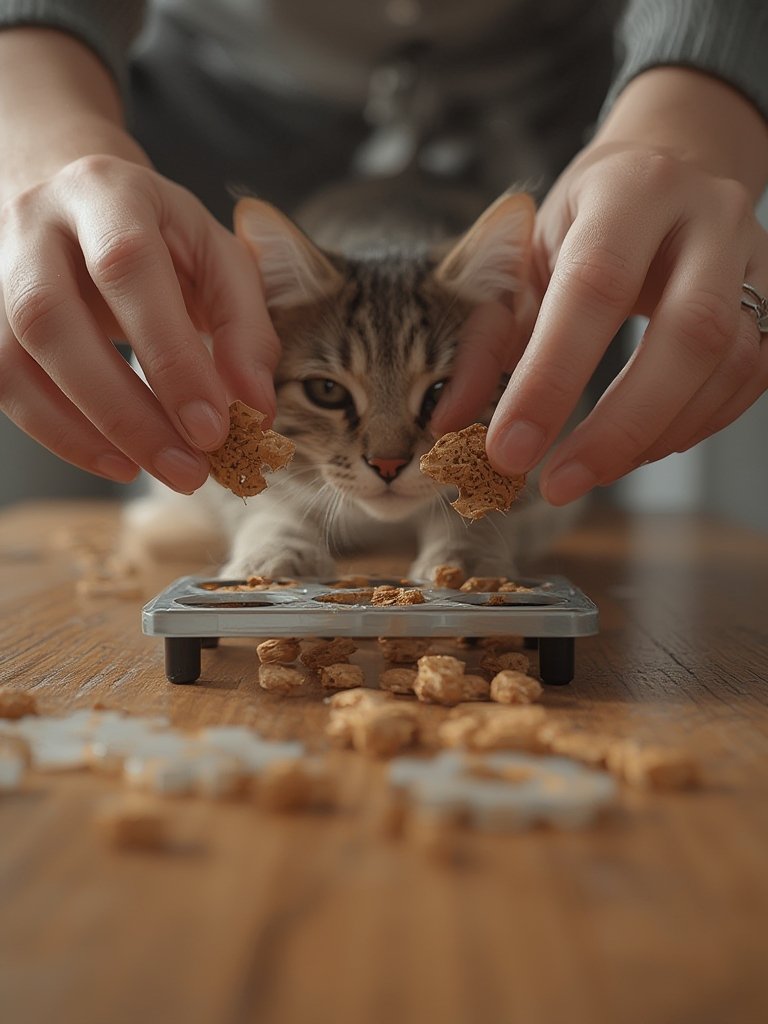
For tech-forward pet parents wanting full smart home integration, explore smart pet feeders—some even pair with interactive toys for synchronized engagement and feeding routines.
Advanced Analysis & Common Pitfalls
While interactive cat toys are marketed as a universal fix for indoor boredom, reality is more complicated. Here’s where owners run into trouble, and the facts the market often glosses over:
- Durability Disappointments: Smart toys loaded with moving parts, feathers, or thin batteries are especially prone to breaking—yet exact reliability data is missing. Chewers and large cats can destroy many products in weeks.
- Unpredictable Battery Life: Battery or USB-powered toys often drain faster than promised, leaving cats frustrated and owners replacing batteries frequently. Auto-sleep settings help but are not always accurate.
- Cost without Clear Value: Brands rarely publish warranty details or price data. With prices ranging widely (often $20-$70+), owners may not get what they pay for. Most products lack clear comparisons or third-party validation.
- Mixed Engagement: No cat toy wins every cat’s heart. Some cats ignore anything overly mechanical, while others lose interest within days. Quantitative user reviews on actual engagement rates are rare.
- Potential Material Hazards: While safety has improved, incidents of ingesting small detachable parts or chewing through plastic do occur. Always check for safety certifications and frequent recalls.
- No Guarantees on Behavior Improvement: Industry claims mention reduced destructive behavior, but measurable studies are lacking—owners need realistic expectations.
| Feature | Positive | Potential Problem |
|---|---|---|
| Motion Sensor Toys | Engage cats autonomously, mimic prey | May scare timid cats; sensitive to battery drain |
| Puzzle Feeders | Slow eating, add challenge | Require manual setup and frequent cleaning |
| App-Controlled Devices | Remote play, customizable settings | Require WiFi, prone to glitches |
| Feather Attachments | Natural movement attracts cats | Fragile, easy to tear, possible choking hazard |
| Durable Plastics/Rubber | Long-lasting, easy-clean | Potential chemical safety concern if not certified |
If you need alternatives for cats unmoved by toys, try a cat harness and leash set for outdoor enrichment, or explore safe cleaning products with our pet deodorizer reviews.
For external research and statistics on the market, pricing, and safety, see the latest overviews at Future Market Insights and Data Insights Market.
Conclusion
The rise of interactive cat toys reflects not only pet technology trends but also the need for realistic, research-driven enrichment for every feline. While the best smart toys deliver hunting simulation, independent activity, and authentic reward, no single product suits every cat—or every owner’s budget and patience. Above all, regular supervision, safety checks, and honest engagement matter most. Discover the next step to better cat care by exploring internal guides on pet safety tech and wellness supplements. Make your choices mindful, and let the best Interactive Cat Toys transform your cat’s world—one safe, sustainable playtime at a time.
FAQs
Do interactive cat toys work for all cats?
No toy works for every cat. Some love smart, moving targets, others prefer simple feather wands or puzzle feeders. It can take trial and error to find the right fit.
What’s the biggest drawback of smart cat toys?
The main issues are short battery life, potential fragility, and unpredictable engagement. Not all devices hold your cat’s attention—and some are expensive with unclear warranty policies.
Are there safety risks with interactive or smart cat toys?
Potential risks include ingesting small parts, battery leakage, or breakage. Opt for toys certified BPA-free and inspect for wear regularly. No major recalls have hit the 2024 market, but caution is always wise.
How can I increase my cat’s interest in a new toy?
Rotate toys frequently, combine with treats or catnip, and supervise initial play. Sometimes “hiding” a toy for a week makes it new again.
Where can I learn more about advanced pet gadgets?
Check guides to pet cameras or automatic litter boxes for more high-tech options.
—
[…] owners find that interactive toys—like those in our smart cat toy buying guide—help keep cats active, indirectly increasing thirst and water intake. Mental stimulation plays a […]
[…] high-tech options, explore smart cat toys that feature motion, auto-feather, or infrared sensors, but be prepared to step in and reset […]
[…] scratch marks, your sofa, or door frames, and gradually move them a few inches a week if needed. Interactive cat toys near these spots can entice play and appropriate […]
[…] & Tricks: If your cat ignores standard toys, try hiding treats in cardboard boxes or using an interactive cat toy that mimics real prey movement—a proven way to redirect play […]
[…] For more enrichment options, check out our comprehensive Interactive Cat Toys Guide. […]
[…] If your cat resists or panics, do not force it. Try simple alternatives like bandanas or themed bow ties. Focus on what enriches your cat’s life without causing stress. Cats who feel safe will be more relaxed — for fun enrichment ideas, see our smart cat toy guide. […]