


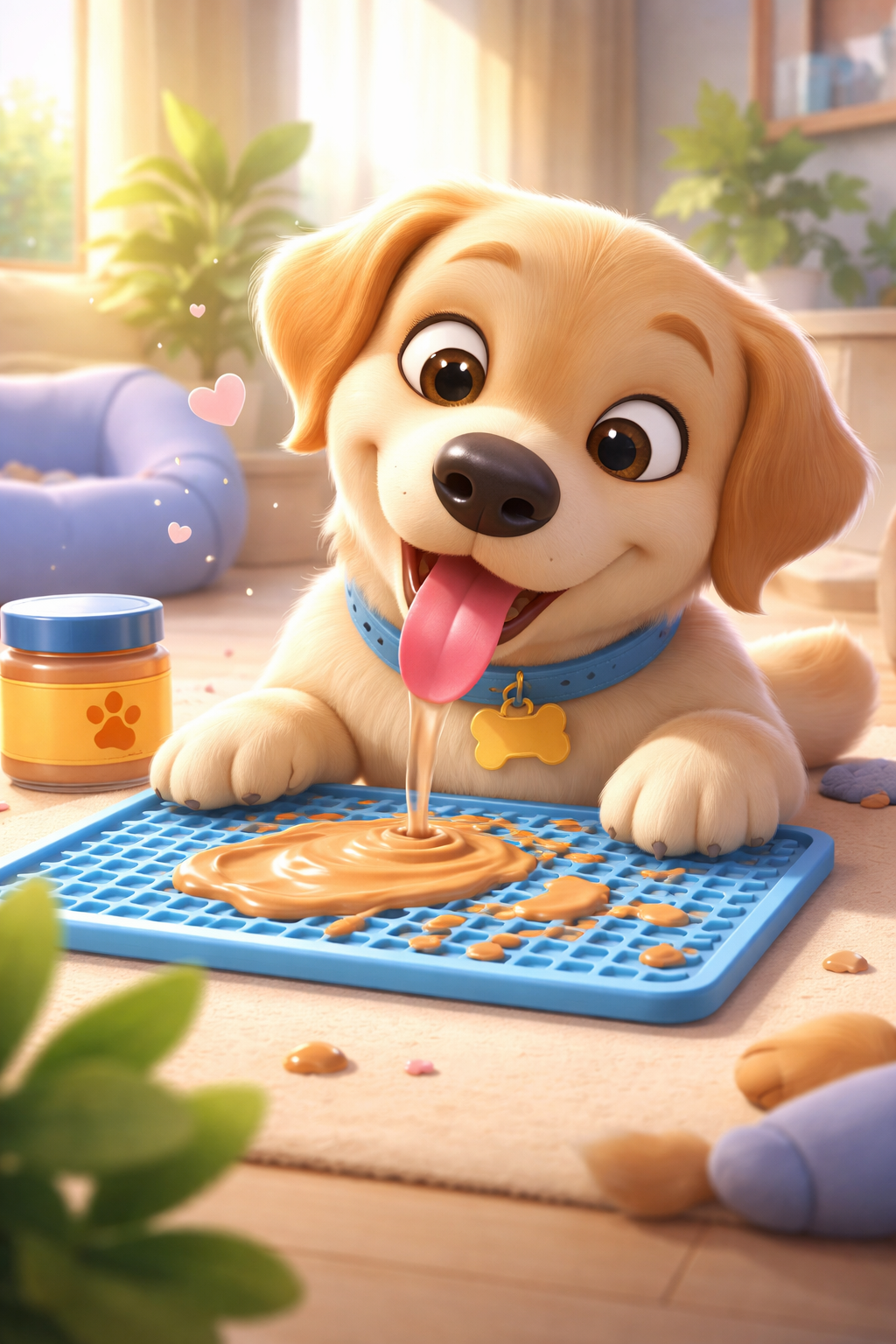
Lick mat for dogs has become a popular tool among pet owners looking to reduce anxiety and curb unwanted behaviors. But do these mats really help calm your dog, or is it just a trend? Here’s what works, what doesn’t, and how to use a lick mat for real results.
Key Takeaways
- Lick mats provide distraction and enrichment, but scientific evidence for true anxiety relief is lacking.
- Correct use and safe ingredients are crucial; not all dogs will benefit equally or safely.
- Veterinary professionals recommend lick mats as part of a broader calming strategy, not a standalone cure.
- What Is a Lick Mat for Dogs and Why Use One?
- Step-by-Step Guide: How to Use a Lick Mat for Dogs
- Advanced Analysis and Common Pitfalls
- Conclusion
- FAQ
What Is a Lick Mat for Dogs and Why Use One?
A lick mat for dogs is a textured mat designed to be smeared with soft treats, encouraging dogs to lick as a calming and engaging activity. The repetitive licking can distract dogs during stressful events like grooming or vet visits. Some experts suggest licking may trigger endorphin release and activate the parasympathetic nervous system, offering mild, temporary relief from stress and boredom.
However, current scientific reviews and veterinary sources clarify that lick mats mainly provide distraction and enrichment, not a proven anxiety cure. Results remain anecdotal. Most professionals recommend them for mental stimulation, slow feeding, and helping to avoid destructive behaviors caused by boredom.
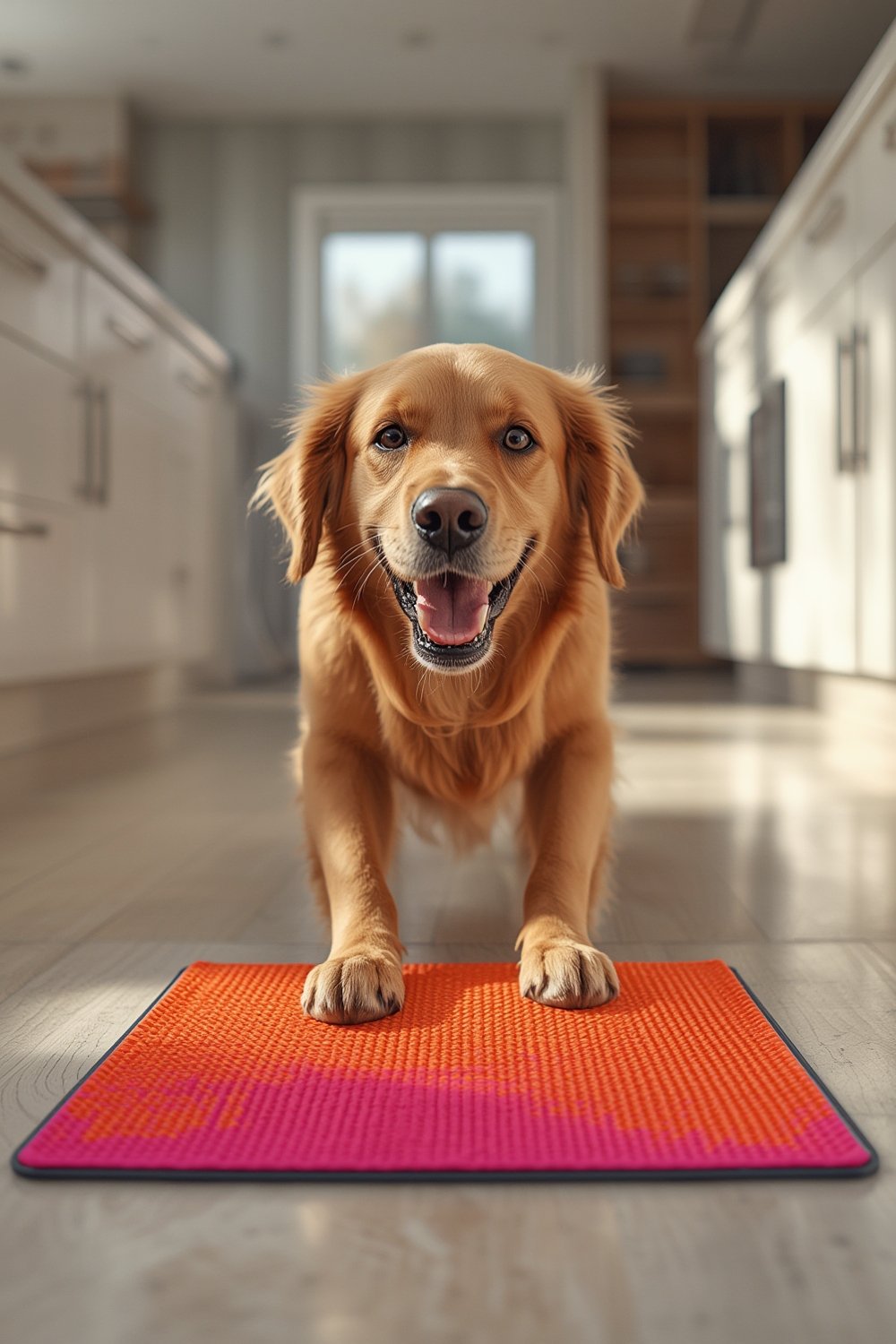
Lick mats come in various silicone or rubber designs, with textured surfaces that can keep your dog busy. Their growing popularity is partly because around 40% of pets show signs of boredom or anxiety, and many pet parents want simple tools to help. If you’re considering a lick mat, know that its main function is engagement, not medical anxiety relief. To address skin conditions alongside stress, consider dual solutions like a medicated shampoo for dogs as part of your routine.
Step-by-Step Guide: How to Use a Lick Mat for Dogs
-
Choose the right lick mat:
Select a mat made from pet-safe materials such as BPA-free silicone or food-grade rubber. Look for mats with strong suction or anti-slip backing, especially for use on hard floors or in the bath. -
Pick safe, healthy toppings:
Stick with dog-friendly foods: plain yogurt, unsalted peanut butter (xylitol free), pumpkin purée, or wet dog food. Avoid chocolate, xylitol, raisins, grapes, and spicy or heavily salted spreads. -
Introduce the mat gradually:
Let your dog see and sniff the mat first. Start with a thin layer of their favorite treat. Supervise your dog until they understand how to use it. -
Time and occasion:
Use the lick mat during stressful moments (grooming, thunderstorms, or when guests arrive) or to prevent boredom when you leave the house. -
Supervision is key:
Always watch the first sessions to ensure your dog licks rather than chews or tries to eat the mat. Dogs prone to chewing may not be good candidates for unsupervised mat use. -
Cleaning:
Wash the mat thoroughly after each use with warm, soapy water to prevent bacteria buildup and keep it safe for repeated use.
Try hiding a few kibble pieces or healthy dog treats underneath the spread to engage your dog’s sense of smell and add an extra puzzle element. Mats with deeper grooves or unique patterns are perfect for this.
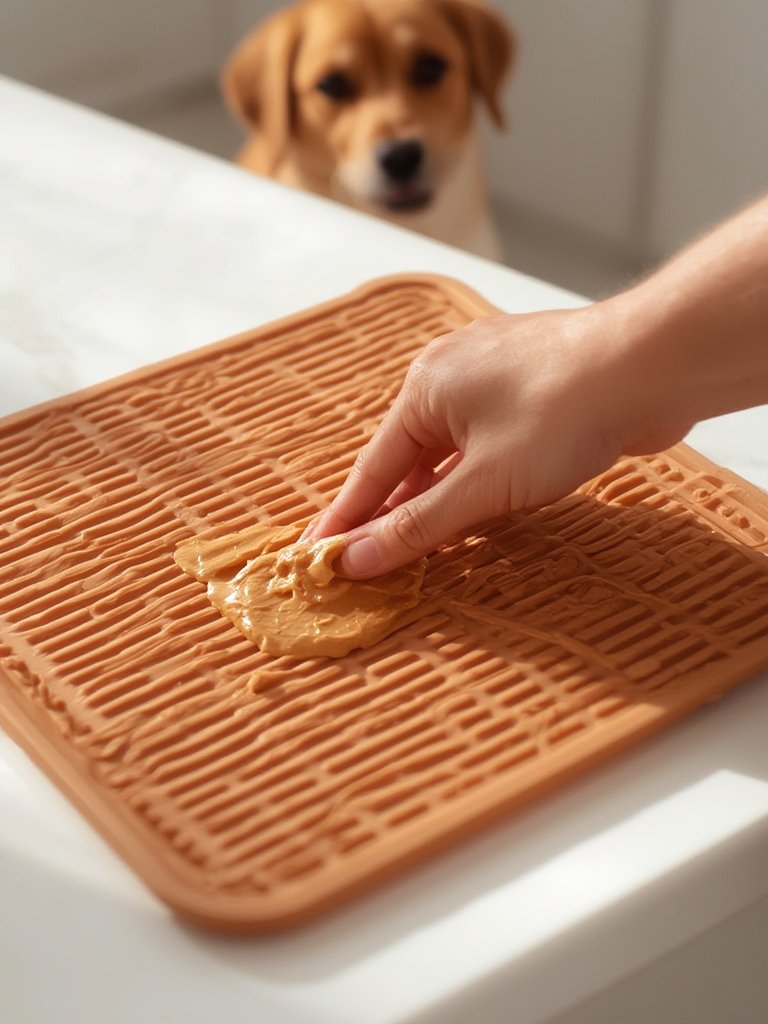
If you want additional odor or grooming control in your calming routine, you might explore pairing a lick mat session with a pet deodorizer or follow up with dog shampoo after messy play.
Advanced Analysis and Common Pitfalls
While lick mats are helpful tools, there are real limitations and issues to be aware of:
- No guaranteed anxiety relief: Many claims about anxiety reduction are not backed by scientific studies. Most professionals agree that lick mats offer distraction, not a cure. For true anxiety, veterinary consultation is best.
- Chewing and ingestion risk: Dogs who like to chew may quickly destroy the mat. This can create choking hazards or digestive blockages if pieces are swallowed.
- Mess and hygiene: Mats can get messy, especially with sticky spreads. Poor cleaning can harbor bacteria and make mats smell.
- Allergy and ingredient risk: Some foods (peanut butter with xylitol, or dairy if your dog is lactose-sensitive) can be dangerous. Always check labels and start with small amounts.
- Limited enrichment versus puzzles: While lick mats are useful, enrichment tools like snuffle mats, puzzle feeders, or freeze-dried dog treats can offer more variety and challenge.
| Lick Mat | Puzzle Toy (e.g., KONG, Snuffle Mat) | Calming Supplement |
|---|---|---|
| Distraction via licking Slows eating Easy to clean (if solid mat) |
Engages brain Reduces boredom Variety of challenge levels |
Scientifically supported actives (some types) Targets anxiety, not just boredom |
| May not work for strong chewers No proven anxiety reduction Messy with sticky foods |
Can be destroyed by tough chewers Some complex to clean Learning curve for some dogs |
Possible side effects Requires correct dosing Needs veterinary advice |
According to veterinary reviews, you should treat lick mats like any aid—combine with training, mental stimulation, and, if needed, dog probiotics or calming supplements when targeting stress.

Conclusion
Lick mats can have a real place in your dog’s daily routine as a distraction and slow-feeding tool, supporting mental engagement and sometimes reducing boredom. Scientific evidence for anxiety relief from a lick mat for dogs is still missing, so don’t rely on it as your only solution. Combine with other enrichment or calming tools for best results. Try introducing a lick mat today and see how your dog responds—backed by close supervision and ingredient safety.
Ready to take your dog’s enrichment to the next level? Start with a high-quality lick mat for dogs and see if it fits your pet’s needs—or explore advanced care with antifungal shampoo for dogs or premium dog treats for additional benefits.
FAQ
Are lick mats safe for all dogs?
Most dogs can safely use lick mats, but strong chewers, puppies, or dogs known to destroy rubber or silicone toys should be supervised at all times. Always choose mats made from food-grade, non-toxic materials and remove if your dog starts to chew or tear the mat.
What are the best foods to put on a lick mat for dogs?
Good options include plain Greek yogurt (unsweetened), pumpkin purée, mashed banana, soft dog food, or xylitol-free peanut butter. Avoid foods with sugar, spices, grapes, raisins, or artificial sweeteners. Introduce new spreads slowly to check for allergies.
Do lick mats help with dog anxiety?
They can distract and occupy some dogs during stressful moments, but there is no clinical evidence they lower anxiety hormones or address the root cause of anxiety. For persistent anxiety, consult your veterinarian about a wider management plan.
How often can I give my dog a lick mat?
Lick mats can be used daily, especially for slow feeding or treating boredom. Watch the total amount of treats to avoid overfeeding, and keep the mat clean to prevent bacteria or mold buildup.
Can I use a lick mat for puppies?
Yes, but only with close supervision. Use safe, soft foods, and choose mats specifically designed for puppies to reduce chewing and choking risks. Remove the mat if your puppy tries to rip it apart.
[…] Despite the hype, no major innovations or new technologies have emerged in cat harness design since 2024. Some owners look to GPS trackers or pet backpacks for extra reassurance, but these often prove too bulky or impractical for longer-term use (source). There’s also a large education gap—mainstream guides rarely mention that some cats are fundamentally unsuited to harnesses. Cats that repeatedly panic or freeze should instead enjoy enrichment through puzzle toys or mental stimulation, as covered in our mental enrichment guides. […]
[…] working on a pet enrichment routine? Check out dog lick mats for anxiety and boredom relief or learn how AirTag cat collars help keep pets safe and […]
[…] If your feeder relies on special bowls or mats, always check with the manufacturer or refer to guides for safe cleaning of enrichment devices. […]
[…] be used in moderation to avoid encouraging overeating or manic chasing in pets prone to anxiety (lick mat for dogs may be a safer option for stress […]
[…] overlook enrichment: Calm, happy dogs settle better. See also our lick mat for dogs guide for travel stress reduction tips. And if shedding is a problem, using a deshedding dog shampoo […]
[…] mental enrichment, you can consider alternate interactive feeders. Read about popular options like lick mats for anxiety or take things high-tech with this automatic pet feeder guide. And if concerns about hygiene or […]
[…] it’s top-shelf dishwasher safe for easy cleaning. For more on slow-feeding and enrichment, see: lick mats for dogs and smart feeder […]