


### Blog Post:
Looking for the most effective way to keep pet hair, dander, and odors under control? The pet air purifier has become the go-to solution for millions of pet owners who struggle with allergies, sneezing, and stubborn smells. If you’re considering one for your home, here’s everything you need to know—without the fluff or hype.
Key Takeaways
- HEPA and activated carbon are the gold standards for removing pet dander and pet odors, while UV-C and ionizers have little benefit for pet-related use and may cause harm.
- Certified models like Energy Star air purifiers save money over time, but costs and filter replacement needs vary with pet shedding and home environment.
- No air purifier replaces basic housekeeping or pet grooming, but the right unit can drastically reduce allergy symptoms and keep air noticeably fresher.
- What Is a Pet Air Purifier and Why Does It Matter?
- Step-by-Step Guide: Selecting and Using a Pet Air Purifier
- Advanced Analysis & Common Pitfalls
- Conclusion
- FAQ
What Is a Pet Air Purifier and Why Does It Matter?
A pet air purifier is a specialized device designed to filter airborne pet hair, dander, and odors from your indoor environment. These machines use advanced filtration—typically HEPA and activated carbon—to capture tiny, invisible particles that cause allergic reactions and lingering smells. With the global pet population surging, pet air purifiers now address a significant quality of life issue for allergy sufferers, especially in homes with dogs and cats.
In 2024, the pet air purifier market was valued at $250 million, reflecting increased pet ownership and awareness of indoor air pollution risks. While specific data for allergy rates in air purifier–using households isn’t available, market growth speaks for itself—pet owners are turning to technology to help manage symptoms and keep their homes fresher [source].
At its best, a high-quality pet air purifier offers serious relief for people with pet allergies. However, it isn’t a miracle cure. Results depend on the model, room size, pet types, and simple habits like grooming and cleaning. For owners seeking a holistic approach to pet hygiene (including medicated shampoo for dogs or pet deodorizers), a purifier is a vital part of the puzzle.
Step-by-Step Guide: Selecting and Using a Pet Air Purifier
Choosing the right pet air purifier and using it effectively makes all the difference. Here are actionable steps to improve your air quality and reduce pet-related allergies and smells in your home.
-
Pick HEPA and Activated Carbon, Not Gimmicks.
True HEPA filters trap 99.97% of airborne particles as small as 0.3 microns, including dander, pollen, and fine dust. Activated carbon absorbs odors and chemicals that cause that stubborn “pet smell.” Skip UV-C features and ionizers—they’re not proven for pet dander or odor control and can even release irritating ozone [source].
-
Match the Purifier to Your Room Size.
Measure your room in square feet. Choose a purifier with a recommended coverage area at least as large as your space. Underpowered units won’t filter enough air to make a difference.
-
Place the Unit Correctly.
Keep the air purifier in the room where your pets spend the most time. Place it away from walls and furniture, ideally at least 3 feet from any obstruction. Don’t hide it behind couches or under tables.
-
Maintain a Routine Filter Replacement Schedule.
Replace HEPA and carbon filters promptly, especially if your pets shed heavily. Manufacturers recommend every 6-12 months, but homes with lots of fur may need more frequent changes. Always check the indicator lights or set a calendar reminder, as dirty filters lose their effectiveness quickly.
-
Combine Air Purification With Smart Cleaning.
Supplement your purifier with regular vacuuming (using a HEPA vacuum), washing pet bedding, and grooming. Products like deshedding shampoos or natural dog shampoos further reduce loose fur and dander.
-
Choose Energy-Efficient, Certified Models.
Look for Energy Star certification. Energy-efficient units slash electricity costs, especially if running around the clock. The latest research shows these models are preferred due to lower long-term costs and responsible power use.
-
Go Beyond the Air Purifier for Best Results.
No one tool will solve every odor or allergy problem. For extreme cases, combine air purification with pet deodorizers or dog deodorizers to tackle underlying causes of pet smells and itching.
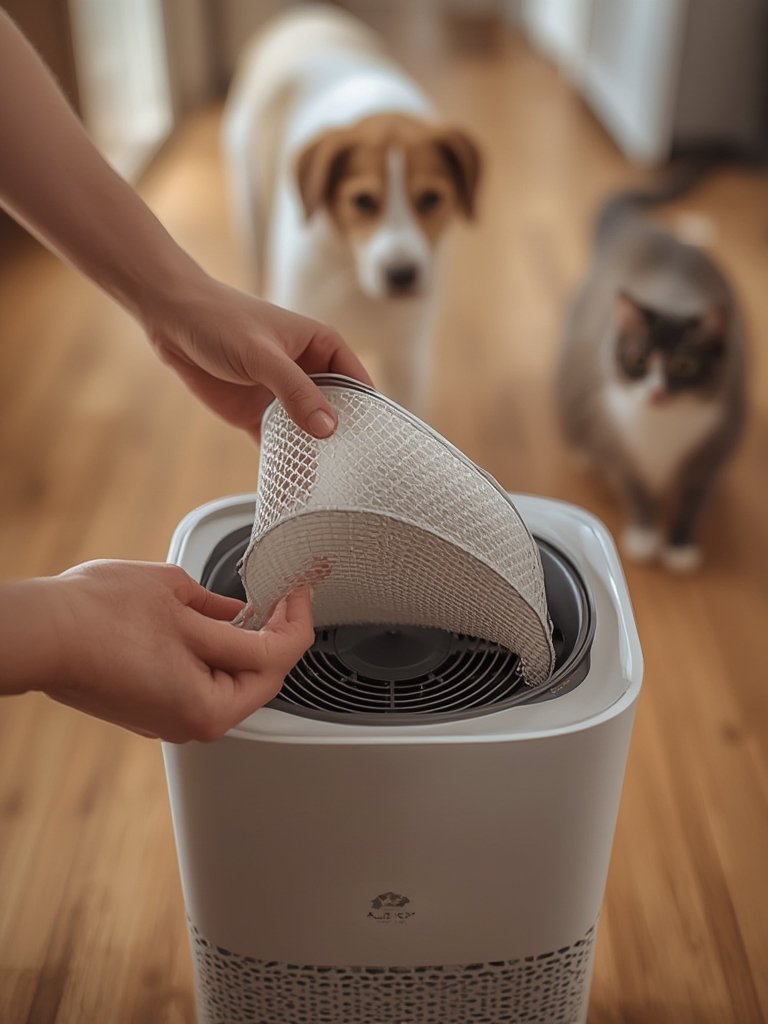
It’s just as important to read your product’s manual—every model differs a bit. And don’t forget to use settings tailored for pet owners, if the unit offers them.
Advanced Analysis & Common Pitfalls
Even the best pet air purifier can disappoint if you run into common problems. Here’s a realistic look at user-reported pitfalls and what you can do to avoid them:
- “Invisible” Results: Unlike vacuuming, results aren’t always obvious. For many, allergy symptoms are the clearest measure of effectiveness.
- Filter Overload: Homes with multiple heavy shedders or lots of foot traffic will clog filters faster, raising costs and cutting effectiveness if you don’t replace them often enough [see source].
- Poor Placement: Tucking purifiers behind furniture or in corners drastically reduces how much air they can process.
- Choosing the Wrong Tech: Ionizers and ozone generators are still sold, but they do more harm than good—especially for pets with sensitive respiratory systems.
- No True Pet-Specific Certification: There is no “pet dander” certification or lab test. Energy Star is the main marker for energy efficiency, but buyer beware of marketing claims [source].
- No Substitute for Housekeeping: Even top-ranked purifiers won’t work miracles if you skip regular cleaning or neglect pet coat care.
| Technology | What It Does | Effectiveness | Downsides |
|---|---|---|---|
| HEPA Filter | Removes 99.97% of 0.3 micron particles—captures dander, pollen, and fine pet hair | Excellent for allergies and dust | Needs replacement; can clog quickly with heavy shedding |
| Activated Carbon | Absorbs pet odors and VOCs | Best odor control available | Less effective on particles; also requires regular changes |
| UV-C/UV Light | Designed to kill bacteria/viruses | Not proven for pet dander/odors | Adds cost, but little actual benefit for pets |
| Ionizer/Ozone | Charges particles to drop them quickly | Not recommended for homes with pets or small children | Can irritate lungs and trigger asthma (for humans and pets) |
If you notice your air purifier is running but you still smell pet odors, check the filter immediately, revisit your placement, and double down on grooming. It’s also smart to keep a dedicated purifier for especially problematic rooms—like the living room or bedroom—or close-by rooms where pets sleep.
Finally, remember: manufacturer claims aren’t always backed by independent lab tests. For the highest standards, always look for honest third-party reviews, not just advertising. While government regulations for pet air purifiers haven’t changed recently [see study], new products hitting the market may use marketing language that over-promises without proper certification.
Conclusion
For today’s homes, especially where dogs and cats are part of the family, a quality pet air purifier offers significant relief from dander, hair, and odors. Paired with smart housekeeping and grooming, it’s a realistic, science-backed way to upgrade your indoor air. Don’t fall for gimmicks: focus on true HEPA and activated carbon filtration, watch out for routine maintenance, and always check the specifications. Ready to breathe easier? Outfit your space with a pet air purifier that matches your needs—and finally enjoy sharing your home with pets, not their allergies or odors!
Take control of pet allergies and odors—explore the latest certified pet air purifiers and start seeing (and breathing) the difference today.
FAQ
How often should I replace the filters in a pet air purifier?
Most HEPA and activated carbon filters last 6–12 months, but pet-heavy homes may need to replace them every 3–6 months. Check filter indicator lights or your manual and keep extras on hand, especially if you have multiple shedding pets.
Do pet air purifiers help with all pet smells?
They neutralize airborne odors from fur, litter boxes, or bedding, especially with activated carbon. However, surface odors and deep-set smells may still require physical cleaning and products like a pet deodorizer for best results.
Are ozone-producing or ionizer air purifiers safe for use around pets?
No. Ozone and ionizers can trigger respiratory issues and asthma in both pets and humans. Stick with HEPA and activated carbon filtration for maximum safety and performance.
Will an air purifier stop my allergies if I have multiple pets?
It greatly reduces airborne allergens but may not eliminate symptoms entirely, especially with heavy shedding or severe allergies. Combine with regular cleaning, grooming, and washing pet bedding for best results.
Is there any official certification that guarantees my purifier will work against pet dander?
No single certification exists specifically for pet dander removal. Energy Star labeling covers efficiency but not filtration. Rely on HEPA and carbon specs, and always buy from reputable brands.
—
[…] Choose a Suitable Spot. Placement is key. Select a flat, stable, low-traffic area close to a power outlet. Avoid damp locations to protect internal electronics. For allergy-sensitive homes, consider positioning near your pet air purifier. […]
[…] Compare leaders: The field is crowded (Furbo, Petcube, Eufy, Arlo, Wyze, Kasa Smart, Petoneer), but only some offer full feature sets. Read up on brand reviews; some companies provide simple monitoring, others go all-in on interactivity and app support. Need pet air purification for allergy relief? See this guide on air purifier for pet dander. […]
[…] cleaning, soaking with vinegar solution, and pairing with pet-safe deodorizers or even a pet air purifier can help eliminate persistent […]
[…] even more feline wellness hacks? Consider complementary tools like urinary care cat food or a pet air purifier to create a healthier, more inviting environment for your […]