


### Blog Post:
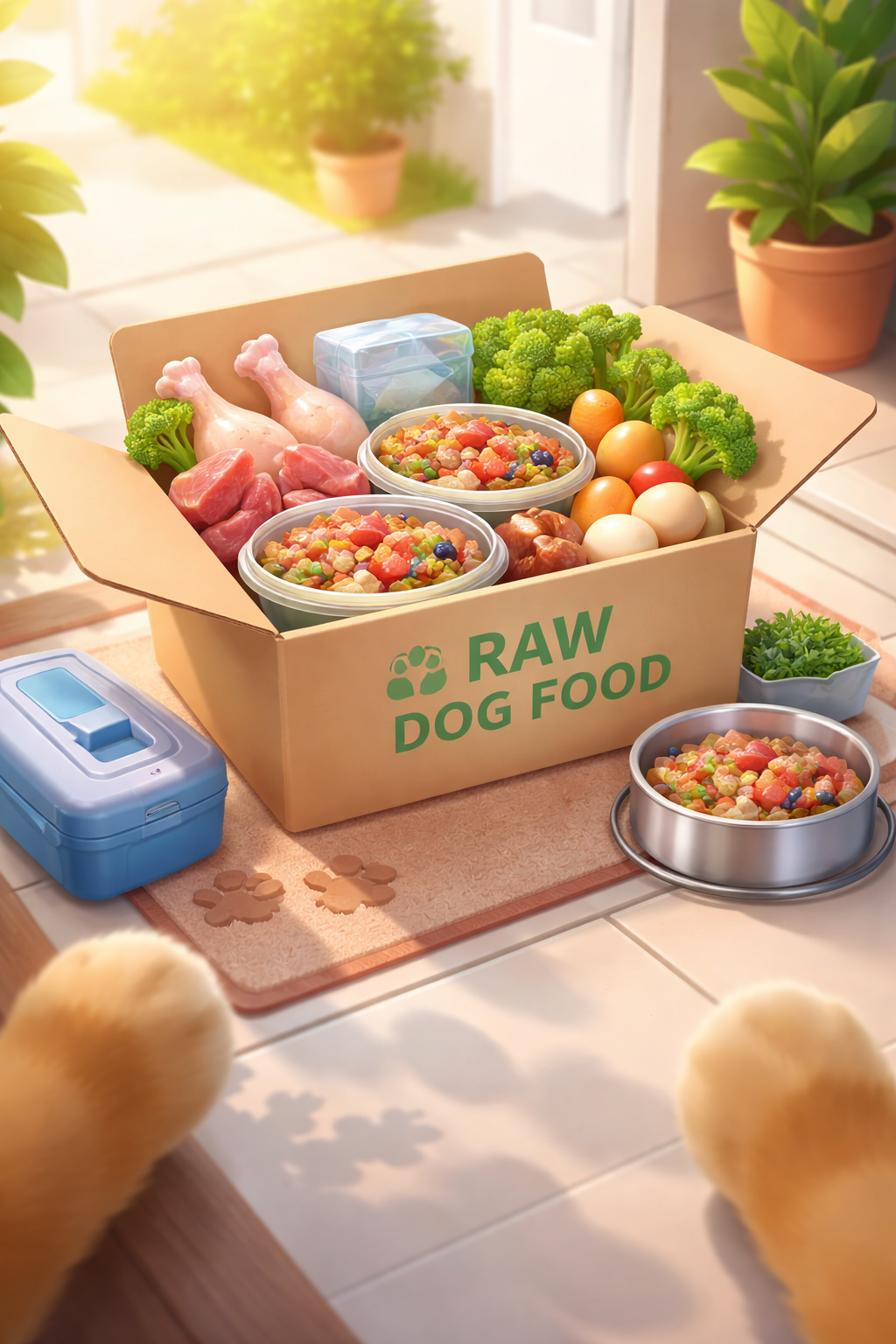
Raw dog food delivery is transforming the way dog owners nourish their pets, offering unprecedented convenience and a fresh approach to canine nutrition. But is it worth the cost, and what challenges should you expect when switching from conventional kibble or canned food?
Key Takeaways
- The raw dog food delivery market is growing rapidly in 2024, fueled by rising pet ownership and demand for premium, convenient food options.
- Switching to raw dog food delivery offers benefits but comes with higher costs and certain logistical and safety challenges.
- Regulatory standards and direct comparison data with traditional pet food are still limited, so owners need to make informed, realistic choices.
- What Is Raw Dog Food Delivery and Why Is It Gaining Traction?
- How to Get Started: Step-by-Step Guide for New Users
- Advanced Analysis and Common Pitfalls
- Conclusion: Is Raw Dog Food Delivery Right for You?
- FAQ: Raw Dog Food Delivery Explained
What Is Raw Dog Food Delivery and Why Is It Gaining Traction?
Raw dog food delivery services prepare and ship ready-to-feed uncooked meals for your dog, usually based on biologically appropriate raw ingredients—meat, organ, and bone—designed to mimic a wolf’s ancestral diet. The surge in adoption is driven by the belief that a minimally processed diet supports digestion, coat health, and energy, plus the added convenience of doorstep delivery.
In 2024, the raw pet food market grew from $3.21 billion to $3.68 billion worldwide, according to recent industry analysis (source). Some projections value it as high as $18.2 billion, showing continued double-digit growth (source). Much of this expansion is linked to subscription-based models and the desire for convenient, healthier options delivered directly to your home.
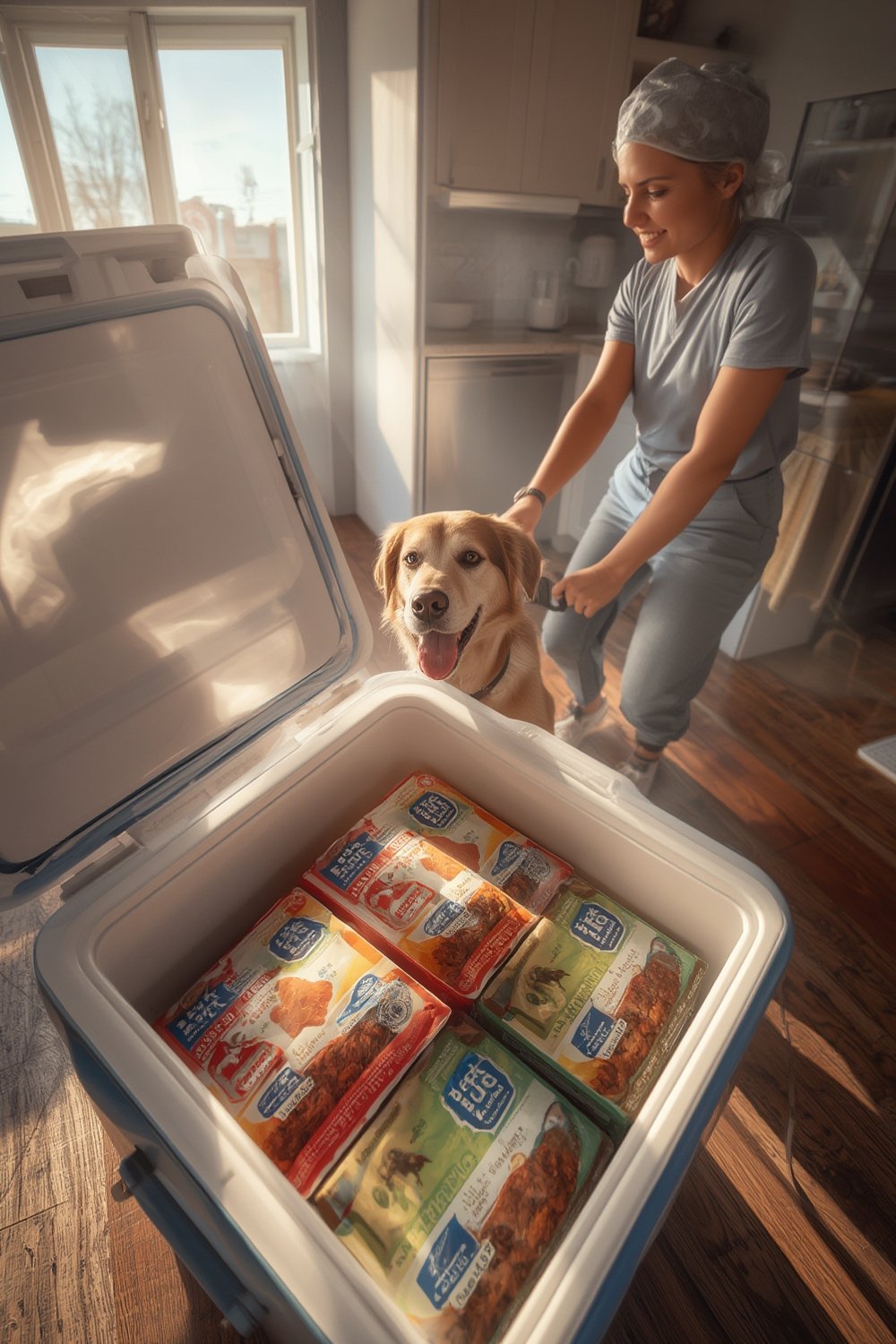
Unlike traditional “bag and scoop” feeding, raw dog food is packed to stay fresh and may be tailored to the size, age, and health requirements of your dog. Packaging innovations such as sustainable insulation and insulated packaging and freeze-dried formulas allow for safe transport without sacrificing nutrition (source).
Dog owners exploring this delivery model often want the best for pets with unique needs—such as chronic digestive issues that might also benefit from dog probiotics—or struggle finding high-value, minimally processed treats like freeze-dried dog treats.
How to Get Started: Step-by-Step Guide for New Users
- Assess Your Dog’s Health & Nutritional Needs:
Consult your veterinarian before making any major dietary changes. Some breeds or health issues (for example, chronic yeast, addressed by antifungal wipes for dogs) may require special ingredients. Record your dog’s weight, activity, allergies, and sensitivities.
- Research Providers:
Compare major brands for transparency in sourcing, custom diet plans, and safe processing. Seek out those with verifiable US safety standards, even though regulatory details remain limited (source).
- Start With a Trial Order:
Most leading companies offer discounted starter kits or trial portions, allowing your dog to adjust gradually. Freeze-dried varieties are an easier transition for picky eaters or nervous owners.
- Transition Slowly:
Mix the raw food with your current kibble over 7–10 days, increasing the ratio slowly to prevent digestive upset.
- Master Storage and Handling:
Raw products often arrive frozen or vacuum-sealed. Store as advised, typically in the freezer or fridge, and use clean utensils to avoid cross-contamination.
- Set Delivery Preferences:
Fine-tune your delivery frequency, portion sizing, and meal plan. Flexible services allow you to skip, pause, or change your subscription through an app or on the website.
- Monitor Results and Adjust:
Monitor your dog’s stool, coat quality, and energy for a few weeks. If you notice digestive issues or lack of appetite, consult your vet and contact customer service for adjustments.
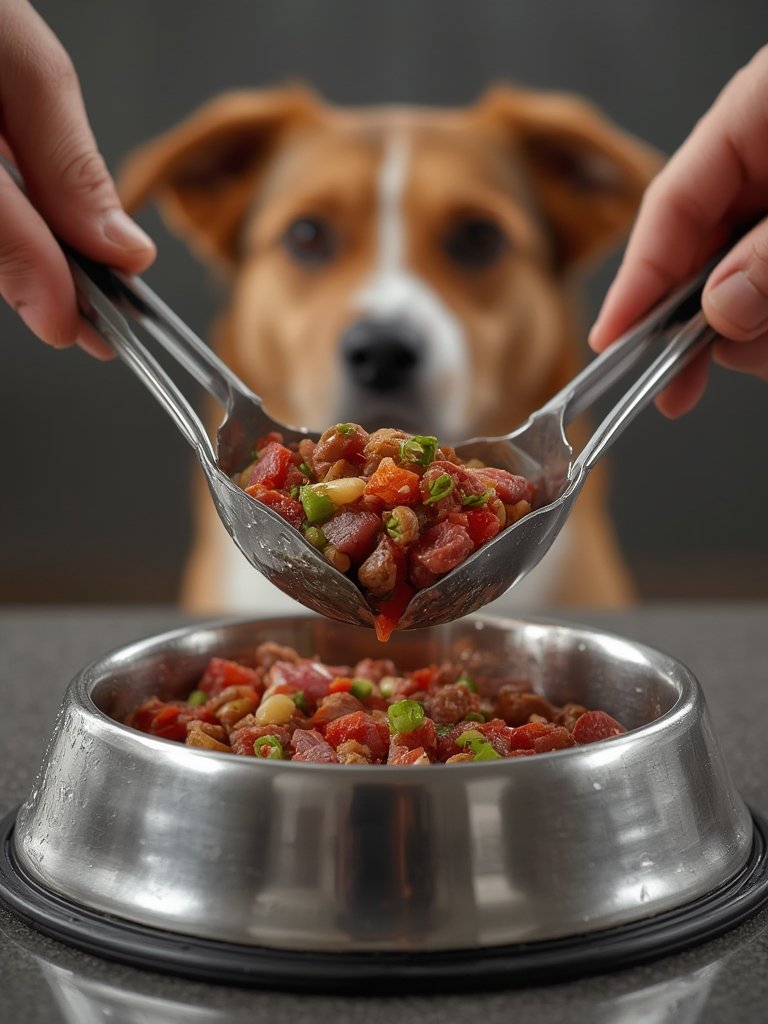
Beyond diet, consider pairing your dog’s new routine with improvements in grooming using natural dog shampoo or soothing balms—many owners report a noticeable difference in skin and coat that complements a cleaner diet.
Advanced Analysis and Common Pitfalls
Switching to raw dog food delivery isn’t without hurdles. While the convenience and freshness appeal to many, practical and financial challenges commonly derail first-time users. Here’s what most pet owners run into:
- Higher Monthly Cost: Market reports confirm that raw food subscriptions are priced at a premium, but exact 2024 pricing comparisons remain scarce (source). Expect to pay 2-5x more than traditional dry kibble per month.
- Digestive Adjustment Period: Dogs shifting from kibble may experience loose stools, gas, or a change in appetite—especially if the transition is rushed or the formula does not suit their age or breed.
- Lack of Independent Nutritional Studies: Veterinary-backed studies remain limited, so claims about superior digestibility or fewer additives are more theoretical than empirically proven to date.
- Regulatory and Handling Risks: While the North American market is governed by stricter regulations, no provider stands out in publicly advertising comprehensive FDA or AAFCO compliance for raw deliveries.
- Delivery and Storage Issues: Missed shipments, thawed food, or lack of packaging insulation in hot weather can result in spoilage—always confirm order-to-doorstep policies and customer support responsiveness.
| Factor | Raw Dog Food Delivery | Traditional Kibble/Canned Food |
|---|---|---|
| Typical Monthly Cost | Estimated $80–$250+ (varies by dog size and service) | $30–$80 |
| Preparation & Storage | Freezer/fridge needed; short shelf life after thawing | Pantry storage; long shelf life unopened |
| Digestive Impact | Often softer stool, sometimes initial GI upset | Usually firm stool, most dogs tolerate |
| Convenience | Delivered to door; subscription management required | Accessible everywhere, no waiting for delivery |
| Nutritional Transparency | Ingredient lists, portion control, less processed | Some fillers/additives; often more processed |
| US Regulations | No universal standard; varies by provider | AAFCO compliance more common/clear |
Owners concerned about skin conditions and coat health may also explore high-quality deshedding shampoo products as reviewed in this guide. Note that a fresh diet sometimes reveals underlying sensitivities that are best addressed with antifungal or medicated support.

Conclusion: Is Raw Dog Food Delivery Right for You?
Raw dog food delivery is a fast-growing option for owners looking to upgrade their pet’s nutrition, but it’s not a universal solution. High cost, logistical demands, and variable regulatory oversight mean it’s best for owners ready to monitor health changes and manage proper food handling. For many, the short ingredient lists and targeted nutrition are worth the investment—especially for dogs with allergies or chronic digestive issues.
If you’re considering raw dog food delivery, start with a trial, transition slowly, and stay in touch with your vet. For homes already managing pet care challenges (like coat maintenance or odor), check out our reviews on pet deodorizers or top medicated shampoos for a complete canine wellness routine.
Ready to give your dog the freshest start? Compare services, set up your first order, and make each meal count.
FAQ: Raw Dog Food Delivery Explained
Is raw dog food delivery safe?
Most reputable delivery providers follow food safety protocols and use insulated packaging, but all raw foods carry a risk of bacterial contamination. Always wash your hands and use clean bowls, and check that your provider highlights its safety certifications and cold chain process.
Will my dog experience stomach issues when switching to raw delivery?
Some dogs may experience mild digestive upset (loose stool or gas) during the transition. To reduce this risk, mix new food in slowly over 7-10 days and monitor your dog closely.
Does raw dog food delivery cost more than kibble?
Yes, typically 2-5 times more per month. The premium is for higher quality meat, cold packaging, and personalized plans. Exact costs will depend on your dog’s weight, activity, and the provider you select.
How often do deliveries arrive and can I skip or reschedule?
Most subscriptions offer weekly, bi-weekly, or monthly delivery. You can usually skip, pause, or change deliveries via your account dashboard—double-check the company’s flexibility before subscribing.
Are there regulations for home-delivered raw dog food in the US?
No uniform federal standard exists. Some brands follow FDA guidance or are members of industry groups, but always request documentation. Look for a clear focus on safety, especially regarding packaging and pathogen testing.
—
[…] using a medicated shampoo for dogs if your breed data highlights skin sensitivities. Or switch to a fresh or raw dog food delivery service if breed or health markers suggest food […]
[…] online and pick up curbside to save time, especially for heavy food bags, specialty products like raw dog food delivery, or bulk […]