



### Blog Post:
Single Ingredient Dog Treats are shaking up the pet snack market by promising transparency, allergy-friendly nutrition, and ingredient labels you can actually pronounce. But are these treats the golden ticket for your dog’s health, or just smart packaging? Let’s break down the facts, latest research, and real-world pitfalls for anyone considering the switch.
Key Takeaways
- Single ingredient dog treats respond to rising pet allergy concerns and demand for clear, natural ingredients.
- Actual research is lacking on health outcomes and allergy rates compared to multi-ingredient treats—buyer beware.
- There are still practical problems like spoilage, price, and allergy risks mostly ignored by popular advice.
- What Are Single Ingredient Dog Treats—and Why Do They Matter?
- How to Choose & Use Single Ingredient Dog Treats (Step-By-Step)
- Advanced Analysis & Common Pitfalls
- Conclusion
- Frequently Asked Questions
What Are Single Ingredient Dog Treats—and Why Do They Matter?
Single ingredient dog treats are exactly what they sound like—a dog snack made from just one food source. Think freeze-dried beef liver, dehydrated chicken, or sliced sweet potato with nothing added. These treats are gaining popularity because more owners notice their dogs can’t handle artificial additives, fillers, or the long lists of mystery ingredients found in regular pet snacks. The market for natural dog treats alone hit $7.3 billion in 2024, growing over 11 percent each year, mostly driven by these “pure and simple” options. If you’ve ever stared at a treat bag and wondered, “What exactly am I feeding my dog?”, single ingredient treats try to solve that pain point.

How to Choose & Use Single Ingredient Dog Treats (Step-By-Step)
Single ingredient dog treats sound perfect, but there’s more to it than just grabbing the first sweet potato chew you see online. Here’s how to actually make them work for your dog’s health, palate, and your wallet:
- Know Your Dog’s Sensitivities
No two dogs are alike. Write down what foods have caused yours to itch, vomit, or pass unusual stools before, and skip those ingredients completely—even as “just chicken.” - Read—and Understand—the Ingredient Label
A real single ingredient treat should list only one ingredient, such as “Beef.” If you see preservatives, flavorings, or anything extra, it’s not a true single ingredient product. - Check the Sourcing and Manufacturing
Where was it made? How was it processed? A USA-made freeze-dried beef treat is likely a safer bet than an imported chew with unclear sourcing. - Consider the Form: Freeze-Dried, Air-Dried, or Baked
Freeze-dried and air-dried options tend to last longer with fewer additives. Baked varieties can spoil faster but sometimes have better texture for picky dogs. - Inspect for Spoilage
With no preservatives, these treats can go bad fast, especially after opening. Look for visible mold, off smells, or a sudden change in texture before giving to your dog. - Store Properly
Always reseal the bag after opening. Some types, especially dehydrated chews, must be refrigerated after use, or they’ll spoil. Don’t ignore storage instructions. - Start Slow—Watch for Reactions
Even single ingredients can trigger allergies (such as chicken or fish). Introduce new treats slowly, and monitor your dog’s stomach and skin for reactions over 2-3 days.
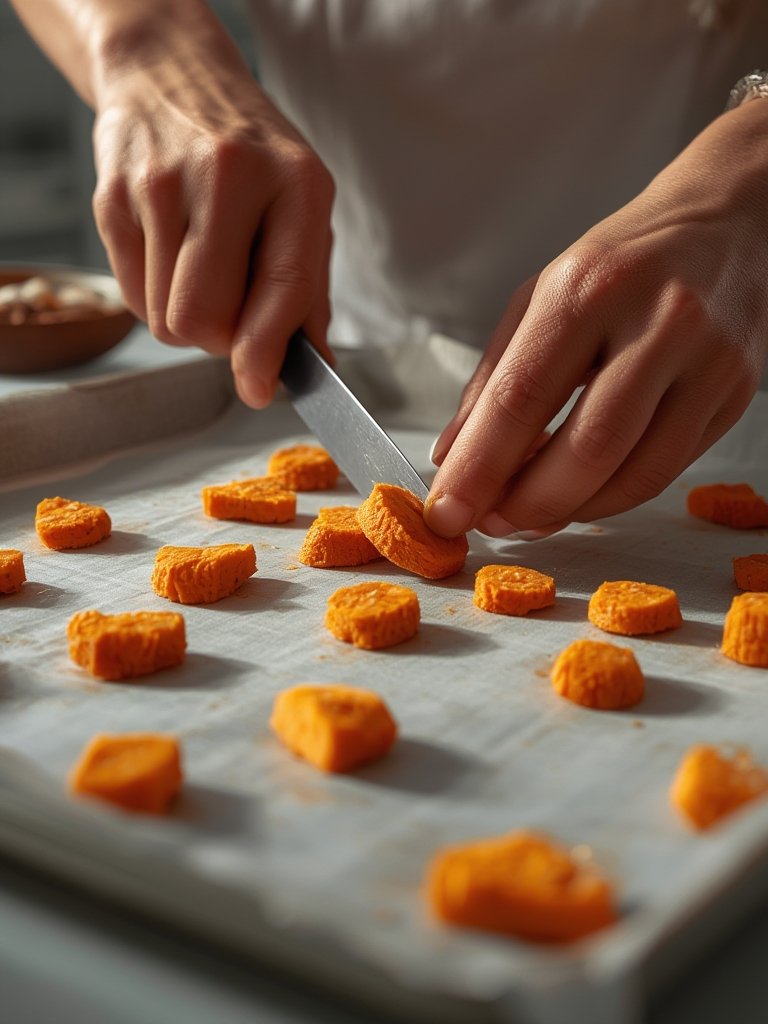
Single ingredient treats are also handy for pet owners managing dogs on strict elimination diets due to allergies. If you’re new to identifying pet allergies, check out our guide to probiotics for dogs and freeze dried dog treats for even more allergy-conscious advice.
Advanced Analysis & Common Pitfalls
On paper, single ingredient dog treats look flawless. But the research—and owner feedback—suggests some critical pitfalls and questions that go way deeper than marketing claims. Here are common problems to watch out for, plus side-by-side analysis with more traditional treats:
| Factor | Single Ingredient Dog Treats | Multi-Ingredient Natural Treats |
|---|---|---|
| Allergy Risk | Lower but not zero. Chicken, beef, and fish are still top allergens. | Higher, due to multiple ingredients and additives. |
| Spoilage | High risk, especially if not stored correctly (no preservatives). | Lower risk; usually contain stabilizers or preservatives. |
| Price | Higher per ounce. Cost driven up by quality meat/fish and simple processing. | Wider range; usually cheaper, especially with fillers. |
| Palatability | Varies by dog. Some love the pure taste, while picky eaters may refuse. | More universally accepted due to flavor additives and softer texture. |
| Regulation & Labeling | No official standard for “single ingredient” in US/EU. Transparency is on the brand. | Must list all ingredients, still not tightly regulated. |
| Health Claims Evidence | Limited. No direct studies prove single ingredient treats are healthier. | Equally limited. Health benefits often inferred, not proven. |
Most current competitor articles skip talking about the side effects, like:
- Lack of Set Standards: There’s no federal rule that defines “single ingredient” for dog treats in the US or EU. Brands can technically add trace flavors unless they’re audited responsibly. (Learn more)
- Undisclosed Allergen Risks: Chicken is a leading allergen in dogs. Just because there’s only one ingredient doesn’t mean your allergic dog is safe.
- Cross-Contamination: Most treat factories process different ingredients on the same equipment. Your “duck” treat may have traces of beef, grains, or even peanut if lines are not thoroughly cleaned. No major brands openly publish cross-contact protocols.
For specialized cases, raw or prescription treats may still be needed—consult your vet. - No Research-Backed “Superiority”: There are no clinical trials proving dogs live longer, get sick less, or have fewer allergies with single ingredient treats. Most health claims are marketing, not fact. (See full report)
Looking for truly transparent, functional products? Consider our review of raw dog food delivery or see why our collagen sticks for dogs are trending for joint health.

Conclusion
Single ingredient dog treats fill a growing market demand for simple, allergy-friendly alternatives to overprocessed dog snacks. But don’t assume that fewer ingredients mean fewer problems—risks like spoilage, allergens, and vague labeling are still real. Start slow, monitor your dog’s response, and always buy from brands with transparent supply chains. When used with care, single ingredient dog treats can support your dog’s wellness and give you ultimate peace of mind. Looking to simplify everything from treats to grooming? Check out our tips on antifungal wipes and the best deshedding shampoos to keep your pet healthy from head to tail!
Ready to try them? Choose your next treat with confidence, pay attention to sourcing and allergens, and share what works for your dog.
Frequently Asked Questions
Are single ingredient dog treats always allergy-safe?
No. Many dogs are allergic to common proteins like chicken, beef, or fish. Even a single ingredient treat can trigger reactions. Always introduce new treats slowly and watch for symptoms.
How should I store single ingredient dog treats?
Check the package. Most freeze-dried or air-dried treats can be stored at room temperature, but some baked or semi-moist treats need refrigeration. Always reseal and use by the best-before date.
Why are single ingredient treats more expensive?
They often use premium cuts of meat or high-quality single food sources, without fillers to bulk up volume. Small batch production and lack of preservatives also drive up costs.
Can single ingredient treats spoil?
Yes, with no preservatives these treats can spoil faster than multi-ingredient or shelf-stable options. Always check for signs of mold or a sour smell before giving any treat to your dog.
Is there research proving single ingredient treats are healthier?
No direct studies exist comparing health outcomes of single vs. multi-ingredient dog treats. Choose based on your dog’s unique dietary needs and seen sensitivities.
—