


Tofu cat litter is rapidly reshaping the pet care market as eco-conscious cat owners seek healthier, more sustainable options over traditional clay litter. In this complete guide, you’ll get the facts, actionable tips, and a realistic look at what sets tofu cat litter apart—plus, crucial downsides no one else tells you.
Key Takeaways
- Tofu cat litter is a plant-based, biodegradable alternative with fast-growing global adoption, especially in East Asia and North America.
- Premium brands focus on odor control, clumping, and low dust, but verified performance data and customer satisfaction metrics remain limited.
- There are still key unknowns—like precise market share, pricing by weight, and verified longevity vs. clay—so realistic expectations are a must.
- What Is Tofu Cat Litter and Why Is It Different?
- Step-by-Step: Switching to Tofu Cat Litter
- Advanced Analysis & Common Pitfalls
- Conclusion & Next Steps
- Frequently Asked Questions
What Is Tofu Cat Litter and Why Is It Different?
Tofu cat litter is made from natural, food-grade tofu byproducts. This plant-based formula is designed to offer a sustainable, non-toxic, and flushable alternative to traditional clay or silica litters. As pet parents increasingly prioritize eco-friendly solutions, tofu cat litter has gained traction for its claims of low dust, improved clumping, and environmental safety. [Source]
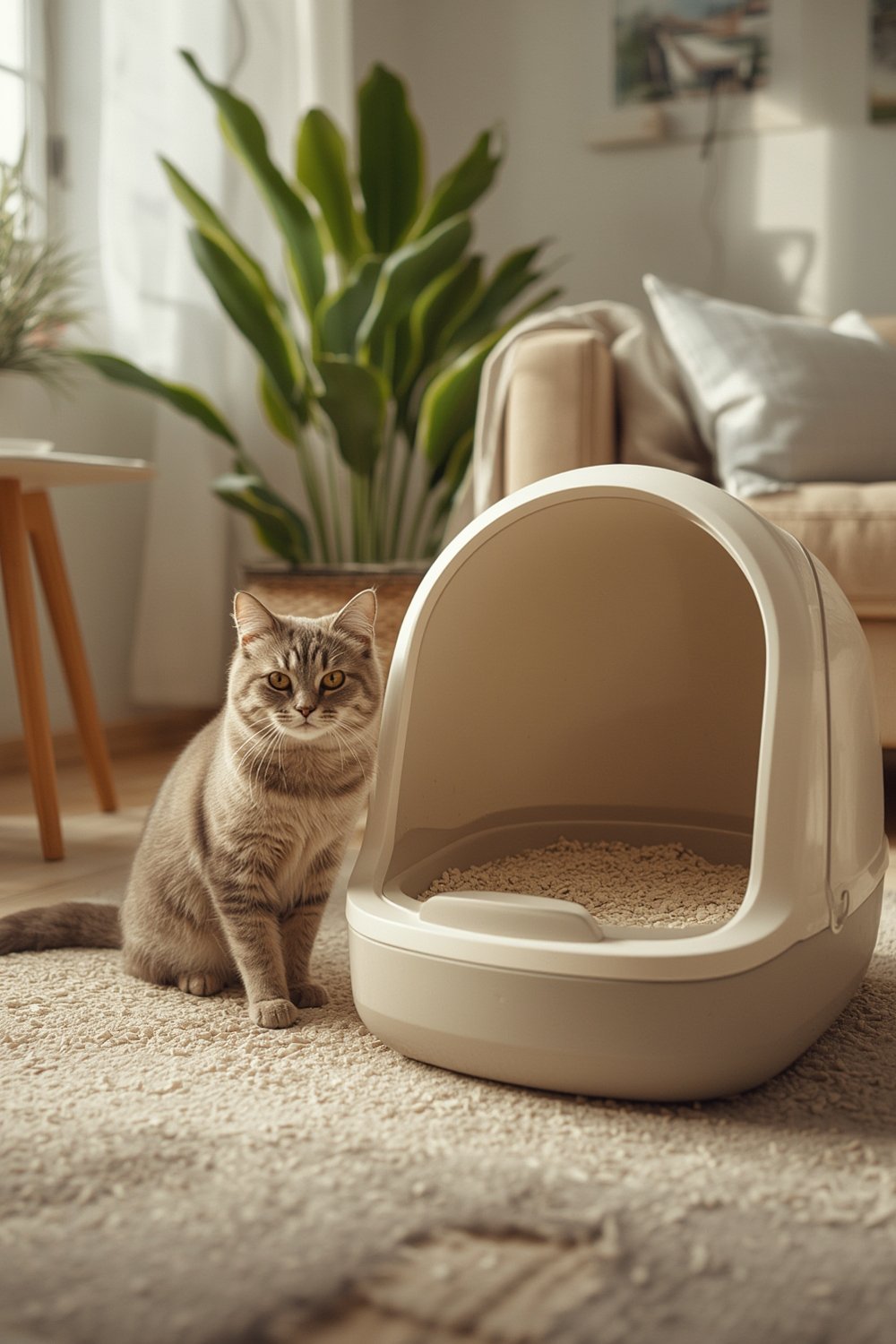
Unlike classic clay, tofu litter degrades quickly in the environment. Major manufacturers such as PIDAN and PETKIT focus on boosting odor control, fast absorption, and packaging made from recycled materials.[Source] While clay mining has a significant environmental impact, tofu litter leverages byproducts (like bean dregs) that are otherwise discarded, meaning it offers circularity and reduced waste. This aligns perfectly with the eco-conscious pet owner trend and growing demand for sustainable pet products worldwide. The largest markets are currently East Asia and North America, where over 75% of tofu litter sales are made each year.[Source]
Step-by-Step: Switching to Tofu Cat Litter
If you’re ready to make the switch to tofu cat litter, follow these actionable steps for a smooth transition—while avoiding common mistakes that defeat the eco-friendly benefits or frustrate your cat.
1. Pick the Right Formula
Check labels for formulas with minimal additives, natural scents, and strong clumping ability. Premium brands like PIDAN and PETKIT emphasize dust-free, allergen-friendly blends. Look for biodegradable packaging and any third-party eco-certifications if available, though such certifications are rare in 2024.
2. Gradually Transition
Mix tofu cat litter with your cat’s previous brand in a 1:3 ratio for several days. Slowly increase the ratio of tofu litter every three days until you fully replace the old litter. This avoids stressing your cat and reduces the risk of litter box avoidance.
3. Optimal Litter Depth
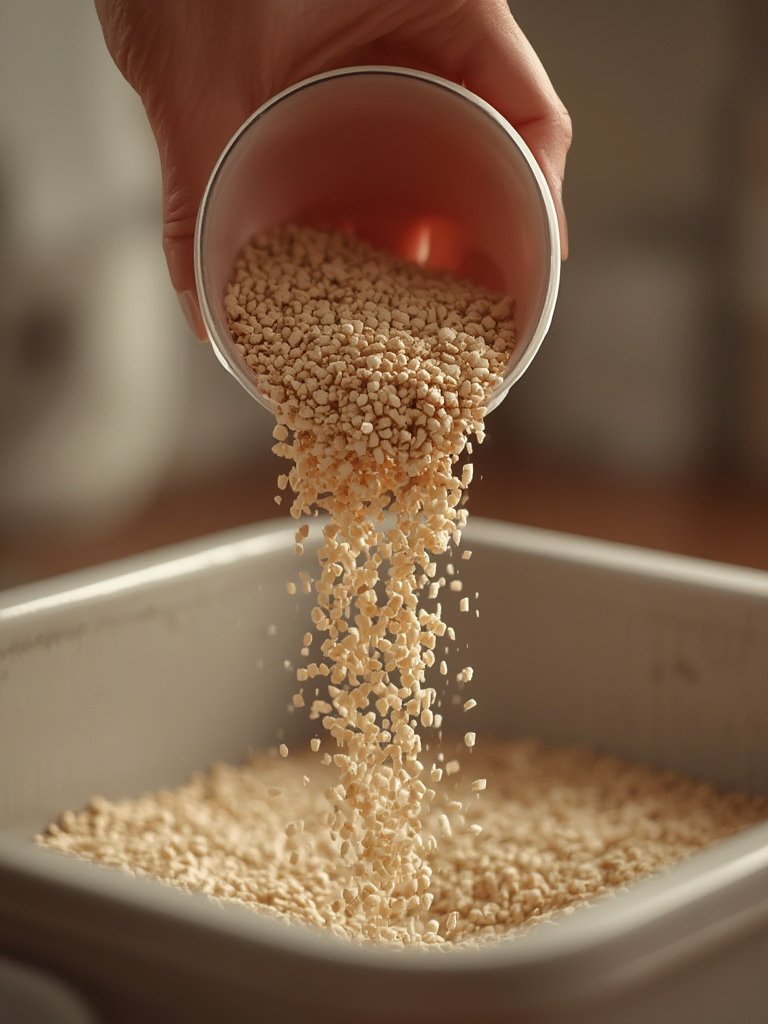
Aim for a 2-3 inch (5-8cm) layer in the tray. Too little leads to sticking; too much is wasteful and may cause tracking. If you have a multi-cat household, ensure each box gets fresh, even coverage for consistent odor control.
4. Daily Spot Cleaning
Scoop clumped waste and solid waste from the box at least once daily. Tofu cat litter is often flushable—check your local regulations to be certain and avoid plumbing problems. Top up as needed to maintain optimal litter depth.
5. Full Change and Deep Clean
Every 10-14 days, completely change out all litter and thoroughly wash the tray with mild soap and hot water. Tofu litter’s clumping holds up well, but full changes are crucial for odor control and reducing bacteria. If you want expert-level odor protection, pair with a dedicated pet deodorizer solution between deep cleans.
6. Responsible Disposal
Toss used tofu litter in your green compost bin (if permitted) or dispose according to municipal waste guidelines. Avoid composting cat waste on edible gardens. Some regions allow small flushes of soiled clumps, but always verify local policy first.
7. Observe and Monitor
Monitor your cat’s usage and behavior. If you notice avoiding, excessive tracking, or dust reactions, try a different tofu brand or blend with classic options. Owners of multi-pet homes may also want to combine frequent deep cleans with medicated shampoo for dogs or targeted antifungal wipes for more comprehensive pet hygiene.
Advanced Analysis & Common Pitfalls
Even with innovation and marketing hype, tofu cat litter—like any product—has limitations. Here’s what most guides miss, so you can make a truly informed decision.
Comparison Table: Tofu vs. Clay vs. Other Eco-Friendly Litters
| Litter Type | Biodegradable | Dust Level | Odor Control | Clumping | Environmental Impact | Flushable | Known Price Data (2024) |
|---|---|---|---|---|---|---|---|
| Tofu Cat Litter | Yes | Low (varies by brand) | Good, but data limited | Strong | Low—uses plant waste | Often (check local) | Data unavailable |
| Clay Litter | No | Medium-High | Strong | Strong | High—strip mining required | No | Data unavailable |
| Wood/Corn Litter | Yes | Low-Medium | Variable | Moderate | Lower (if sustainably sourced) | Sometimes | Data unavailable |
Key Pitfalls & Realistic Problems
- Verified User Complaints: No comprehensive or systematic customer reviews are available yet. Unknowns remain regarding tracking, dust, and long-term odor control.
- Odor Control & Longevity: While manufacturers promise superior performance, there are no peer-reviewed, quantitative studies showing how tofu cat litter performs in single cat or multi-cat homes compared to clay or corn.
- Cost: No 2024-to-date price comparisons exist, making budgeting difficult. Some premium tofu brands may have higher upfront costs, justified by eco-benefits and claimed superior odor/blocking properties.
- Certifications: Premium brands highlight natural ingredients and eco-friendly claims, but third-party compostability or sustainability certifications are rare. Always look for real, not just marketing, guarantees.
- Responsible Disposal: While widely marketed as flushable and compostable, plumbing and municipal regulations vary. Improper disposal can clog pipes or harm local environments—always verify local rules.
- Performance Risks: If your cat is highly sensitive to change, introducing any new litter can result in litter box avoidance.
For extra household odor management, especially in big homes, check out our guide to the best dog deodorizers for all pet spaces—these solutions are designed to be safe around cat trays as well.
Conclusion & Next Steps
In summary, tofu cat litter offers a strong, sustainable choice for cat owners seeking alternatives to traditional clay. However, performance data, longevity, and pricing remain unclear in 2024. By transitioning carefully and monitoring your cat’s health and preferences, you can maximize the eco-friendly advantages while minimizing risk. Stay realistic—no single litter is perfect—and check back for updates as the market evolves. Ready to try tofu cat litter and support a greener future for pet care? Learn more or shop local for your best fit today.
For a complete hygiene routine, discover how dog shampoo or dog balm can elevate your pet’s well-being beyond the litter box.
Frequently Asked Questions
Is tofu cat litter really flushable?
Some tofu cat litters are labeled flushable, but plumbing and local waste regulations vary. Check the packaging and always confirm with local authorities before flushing any litter—even if manufacturers advertise the feature.
How long does tofu cat litter last compared to clay?
No verified quantitative data is available for 2024. Manufacturer claims suggest tofu litter lasts several days to weeks in single-cat boxes. Full changes and spot cleans are still essential for odor and hygiene.
What ingredients should I look for in premium tofu cat litter?
Choose litter made with natural tofu byproducts, minimal additives or artificial fragrances, and strong clumping ability. Premium brands may include plant-based odor blockers, but detailed ingredient disclosures remain rare.
Will my cat accept tofu litter right away?
Transition slowly by mixing old and new litter for at least a week. Some cats are sensitive to texture or scent changes. Monitor for signs of litter box avoidance and never force a rapid switch.
Is tofu cat litter safe for kittens and multiple pets?
Generally, yes—if ingested, tofu litter won’t expand like clay types. However, always supervise curious kittens and consult your vet about any concerns. Multi-pet homes may require more frequent deep cleans for optimal results.