


### Blog Post:
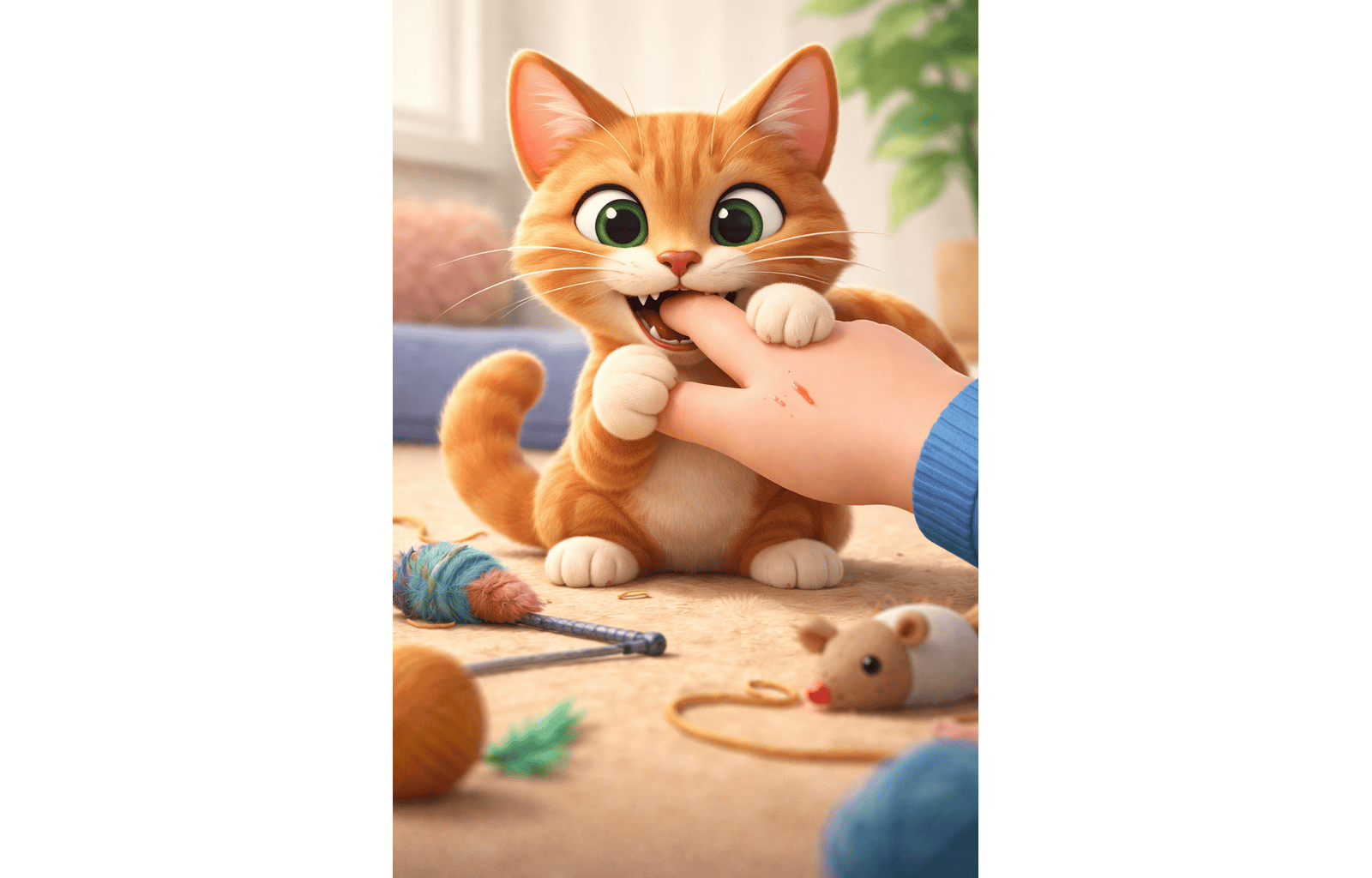
Why does my cat bite while playing? This is one of the most common frustrations among cat owners—watching your loving feline suddenly clamp down during what seemed to be harmless fun. Understanding the difference between normal play biting and true aggression is key to keeping play safe and enjoyable for everyone in your home.
Key Takeaways
- Play biting in cats is a normal instinctive behavior, but it can escalate without proper socialization or redirection.
- Recognize the difference between playful and aggressive bites by observing body language and context.
- Redirecting energy into interactive play and building a stimulating environment can prevent unwanted biting incidents.
- What Causes Play Biting in Cats?
- Step-by-Step Guide: Managing Play Biting
- Advanced Analysis & Common Pitfalls
- Conclusion
- Frequently Asked Questions
What Causes Play Biting in Cats?
Play biting is a natural part of a cat’s developmental and hunting instincts. In the wild, young cats hone their survival skills by stalking, pouncing, and biting during play with littermates. Domestic cats, especially those raised alone, may display intense play aggression because they lack opportunities to learn bite inhibition—a lesson usually taught by other kittens and their mother.

The intensity and frequency of play biting usually peak in kittens between 4 and 9 months of age, when their energy and hunting urges are at their highest. While most adult cats become gentler, biting can persist if early lessons are missed. Play aggression tends to be silent, balanced, and features inhibited (gentle) claws or teeth. In contrast, true aggression comes with hissing, growling, or a stiff, defensive posture.
Breed differences are not documented in recent research; however, younger, high-energy cats or those without other feline companions tend to be the most frequent biters. Introducing a new cat, mismatched energy levels, or hand-raising kittens can further increase the incidence.
Learn more about normal play aggression in this veterinary overview.
Step-by-Step Guide: Managing Play Biting
- Watch for Pre-Bite Signals. Dilated pupils, crouching, tail flicks, and staring may all indicate that your cat is ready to pounce. Intervening at this stage can prevent the leap and bite.
- Use Toys, Not Hands. Never use your hands or feet as play objects. Wands, balls, and prey-like toys are best for redirecting biting energy away from human skin.
- Increase Enrichment and Play Frequency. Schedule at least two 10-15 minute sessions of interactive cat toy daily, especially during your cat’s most active hours (morning and evening).
- Promote Safe Independent Play. Leave a variety of solo toys out for your cat, such as tunnels or puzzle feeders. Cats often bite when bored or understimulated.
- Step Away if Play Turns Too Rough. If your cat begins to bite hard or gets overstimulated, calmly stop play and walk away. Avoid yelling or physical punishment, which can increase aggression or fear.
- Provide Vertical and Horizontal Space. Enrich your home with cat trees, shelves, or window perches to let your cat burn off excess energy and claim territory.
- Neuter/Spay at Right Age. Hormones can drive play aggression, especially in maturing males. Spaying or neutering can help reduce these tendencies.
- Redirect Object Play with Value. When you see your cat getting “in the zone” to hunt, toss a favorite toy nearby to grab their attention.
- Supervise Multi-Cat Interactions. If you have several cats, especially of different ages, monitor for signs of distress or bullying and separate if needed.
- Use Pheromone Diffusers for Stressful Homes. Products like Feliway may help in multi-cat households when tension contributes to rough play.
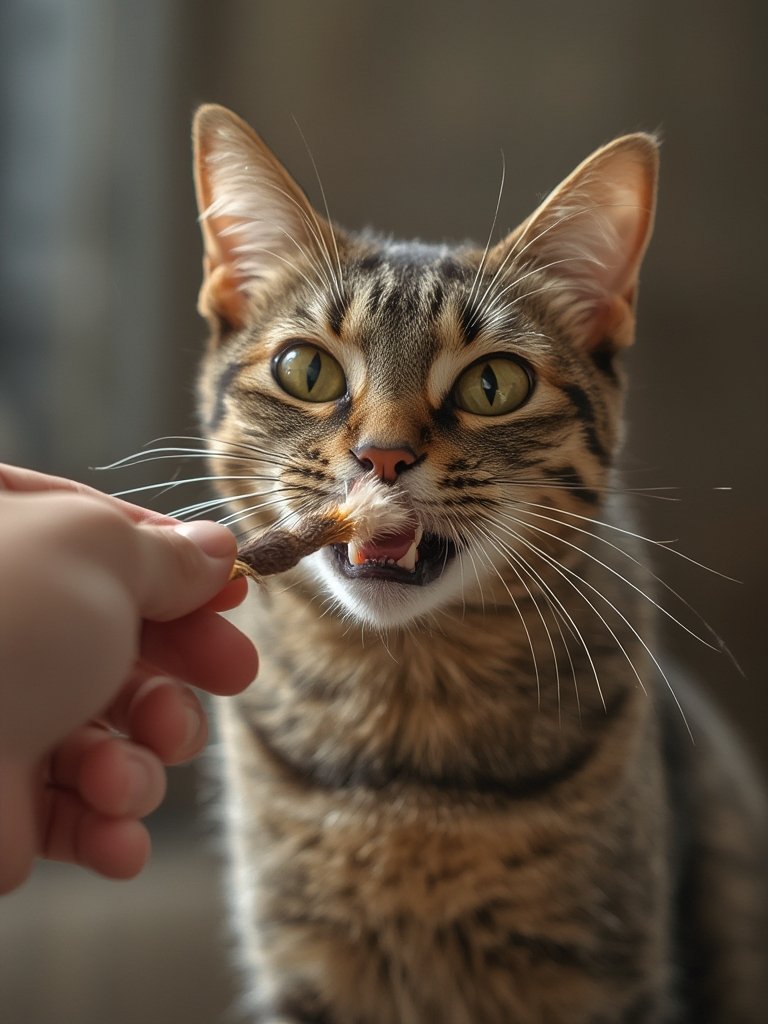
Some owners find adding or swapping out cat trees, window beds, or even adventure harnesses is an excellent way to give high-energy cats safe outlets. Make sure to supervise any new items until you’re sure they are safe and well-received.
If you need odor control after play, check out reviews on the best pet deodorizer options for multi-pet households.
Advanced Analysis & Common Pitfalls
Even with the best intentions, cat owners often make mistakes that unintentionally reinforce rough play. Below are the most important challenges and pitfalls reported in recent veterinary literature:
- Punishing aggressive play: Yelling or physical corrections make cats more fearful and may worsen biting.
- Not intervening early: Missing pre-pounce cues may let rough play escalate, sometimes leading to injury.
- Allowing hand-biting in kittens: Kittens raised without littermates may not learn bite inhibition. Use toys instead of hands from day one.
- Ineffective enrichment: Too few toys or unchanging environments lead to boredom-related biting.
- Mismatched multi-cat play: Young cats may target senior cats, causing tension or even chronic inter-cat issues.
- Assuming all play is safe: Some play sessions, especially between cats of very different size or temperament, may actually be subtle bullying.
| Indicator | Playful Biting | True Aggression |
|---|---|---|
| Vocalization | Silent | Hissing, growling, spitting (source) |
| Body Language | Relaxed, balanced turns | Stiff, arched back, flat ears (source) |
| Intensity | Inhibited bites/claws | Uninhibited, one-sided (source) |
| Outcome | Both continue happily | One flees or hides |
While play aggression rarely results in serious injury, repeated rough play can lead to scratches, bites, and even chronic disputes in multi-cat homes. In rare cases, cats may redirect their energy to humans, resulting in painful bites or infection risk.
Lack of specific prevalence data or breed studies highlights a gap in expert resources. For more advanced enrichment tips, see our guides on keeping kittens entertained and the best cat water fountains to maintain hydration after play.
Conclusion
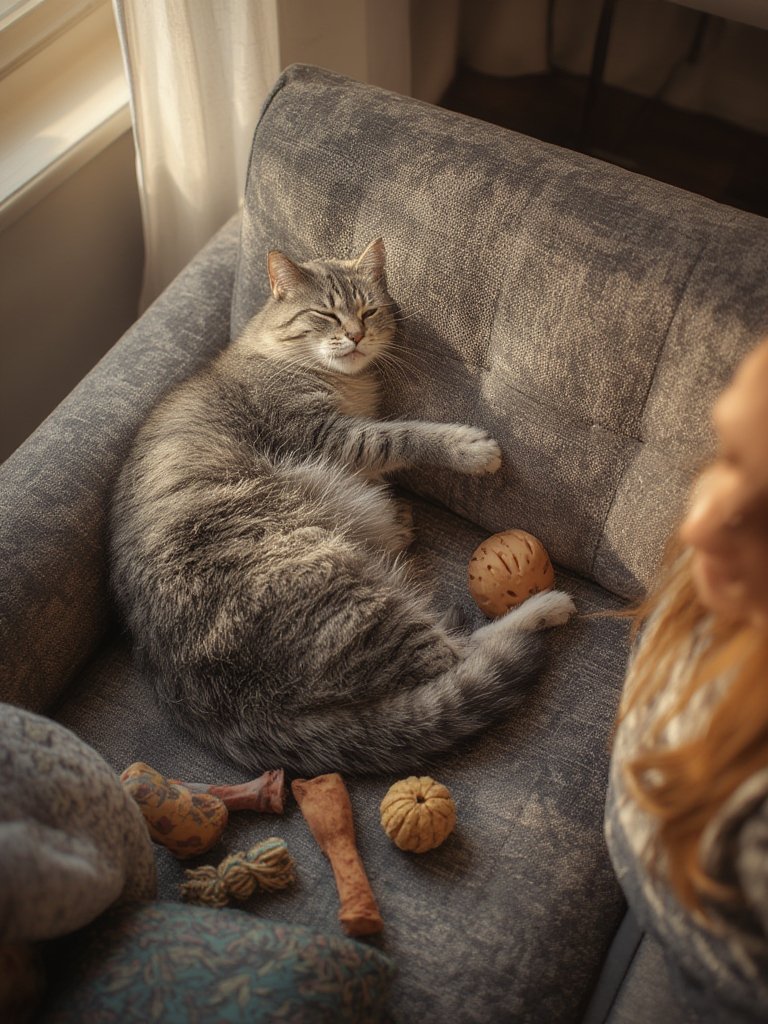
Cat play biting can be confusing, but with vigilance, supervision, and a proactive approach, you can prevent rough play from escalating. Recognizing warning signs, offering proper enrichment, and redirecting energy are the keys to harmony. Addressing the question “why does my cat bite while playing” requires patience, clear boundaries, and cat-appropriate play options. Try the strategies above and enjoy safer, happier playtime with your feline companion. If you have additional challenges with play behaviors, don’t hesitate to consult your veterinarian or a feline behaviorist.
Ready to transform your cat’s play and reduce biting? Try new enrichment tools today and watch your bond grow stronger.
Frequently Asked Questions
Is it normal for cats to bite during play?
Yes, most young and energetic cats bite gently during play. It’s a normal predatory behavior unless it becomes hard, uninhibited, or associated with fear or pain responses. Always redirect with toys and avoid using hands or feet.
How can I tell if my cat is being aggressive or just playing?
Playful biting is usually silent, balanced, and features relaxed body language. True aggression involves vocalization (hissing, growling), stiff posture, and one cat retreating or hiding. See the comparison table above for details.
What are the risks of letting my cats play rough?
Injuries from uninhibited bites or claws can occur, especially if energy levels between cats are mismatched. Chronic rough play may also lead to fear-based behaviors or tension between cats.
What toys help reduce play biting?
Toys that mimic prey (feather wands, interactive track toys, tunnels) are most effective. Consider rotating toys and using automatic play devices for high-energy cats. Explore options in our interactive cat toy guide.
Should I punish my cat for biting during play?
No, punishment can backfire, causing fear and making aggression worse. Instead, calmly end play and use toys to redirect biting behaviors.