


### Blog Post:
AirTag cat collar solutions are becoming popular for cat owners who want an easy way to track their pets, but are these Bluetooth trackers truly effective or safe compared to dedicated GPS collars?
Key Takeaways
- AirTag cat collars offer affordable, simple tracking but are limited by short Bluetooth range (about 30 feet) and depend on nearby Apple devices.
- There is little independent safety data—AirTags are not designed for pets, and no official safety guidelines are published by Apple or industry authorities.
- For reliable, real-time location tracking or robust safety, dedicated GPS pet trackers may outperform Bluetooth AirTag collars.
- What Is an AirTag Cat Collar and Why Use One?
- How to Use an AirTag Cat Collar: Step-by-Step
- Advanced Analysis & Common Pitfalls
- Conclusion
- Frequently Asked Questions
What Is an AirTag Cat Collar and Why Use One?
An AirTag cat collar is a traditional cat collar fitted with a holder for an Apple AirTag. The goal is simple: if your cat slips out or gets lost, you can use Apple’s Find My network to help locate them using your phone. With AirTag sales reaching 1.8 million units by 2025 (source), more pet owners are looking at this technology. But there are important details to consider before trusting your pet’s safety to a Bluetooth device.
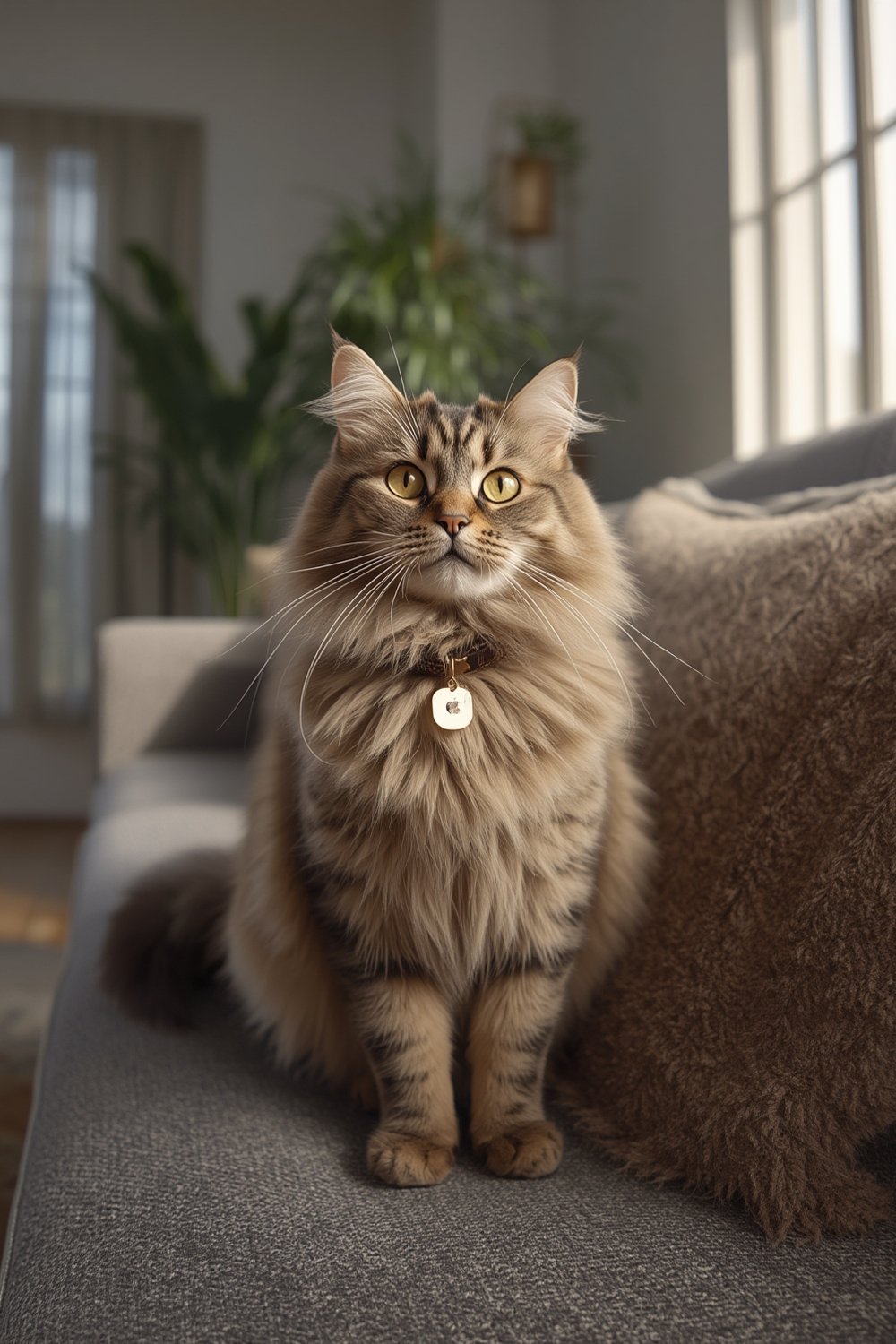
The main appeal is cost and convenience. Standard AirTags cost less than many dedicated GPS collars, and setup is quick for iPhone users. You can track your cat through the Find My app, and the AirTag battery typically lasts several months. However, AirTags were not designed for use with pets. There are also real limitations in range, privacy, and physical safety—which means an AirTag cat collar is best viewed as a supplementary tool, not a fail-safe solution.
If your cat frequently spends time outdoors, in dense neighborhoods, or near many Apple device users, an AirTag may help recover a lost pet. But in rural locations, or when continuous live tracking is critical, a purpose-built GPS cat collar might be a safer and more reliable choice.
How to Use an AirTag Cat Collar: Step-by-Step
- Buy an AirTag and a pet-safe collar holder. Get a genuine Apple AirTag and a sturdy, breakaway cat collar with an AirTag holder designed to prevent loss. Some holders better protect the AirTag from water or impact.
- Set up your AirTag via your iPhone (or other Apple device) following the in-app steps. Name it after your cat for easy identification.
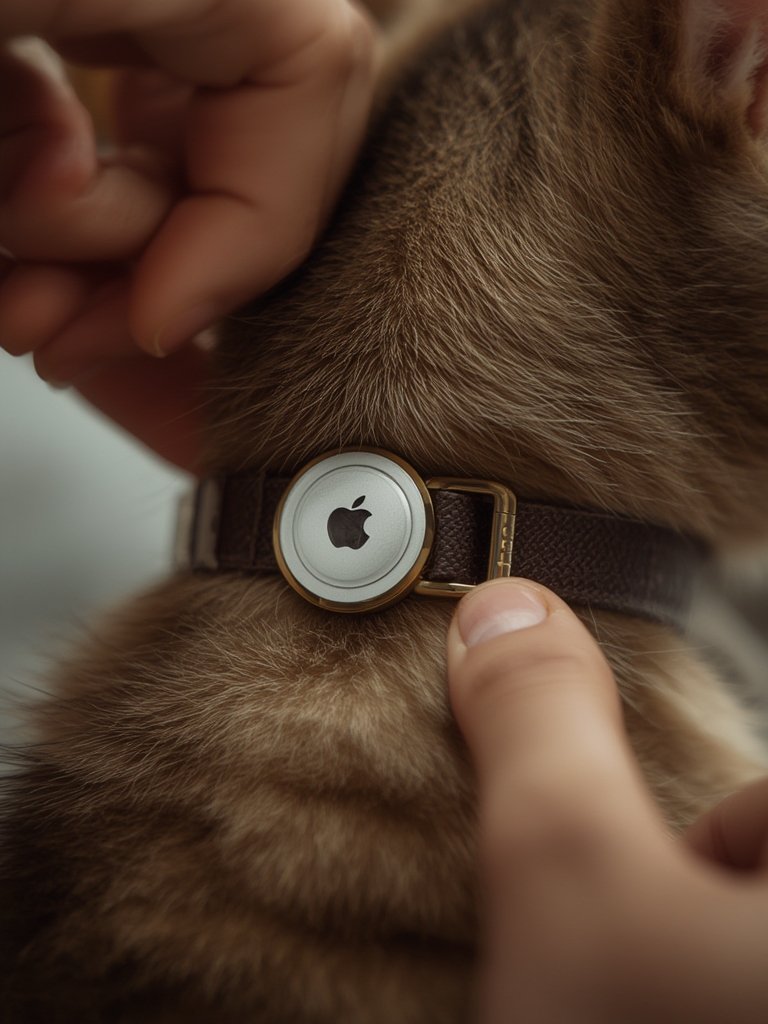
- Securely place the AirTag in the holder, making sure it latches tightly so your cat cannot extract or chew on the device.
- Attach the holder to a breakaway collar (never use collars without a breakaway—these can be dangerous for cats).
- Test the fit on your cat. Ensure the collar is not too tight or too loose, and watch your cat for any signs of irritation or discomfort.
- Check range and tracking accuracy by “losing” the collar around your house or yard and trying to locate it via your phone. This is the time to evaluate whether AirTag’s actual range (about 30 feet via Bluetooth) is enough for your needs.
- Monitor battery life and replace as needed. Most AirTag batteries last up to a year, but outdoor use may reduce lifespan due to temperature swings or water exposure.
- Consider using your phone to check privacy settings after setup—decide if you want lost mode notifications enabled, and review who can access location info.
- For indoor cats, tracking is most useful if they hide or slip outside unexpectedly. Use “Find My” for short-range pinging (sound/vibration) to locate them indoors.
- If your cat frequents wet areas, choose a waterproof collar case, and clean the holder regularly.
If your cat often gets messy—especially after outdoor adventures—regular grooming is important. Explore our guide on deshedding shampoo for dogs to keep fur manageable, even if you’re really a cat person.
Advanced Analysis & Common Pitfalls
Before making the leap, it’s important to understand the drawbacks and potential issues of an AirTag cat collar:
- Limited range and dependence on others: Unlike GPS trackers using cell or satellite data, an AirTag’s tracking depends on passing within roughly 30 feet of another Apple device (source). In rural areas or when your cat is far from people, detection is unreliable.
- No real-time tracking: The AirTag network updates only when close to an iPhone user. You won’t get live location data in sparsely populated regions (source).
- No official pet support from Apple: Apple has not published official guidelines or warranty support for pet tracking (source).
- Potential choking risk: AirTags can come loose if the holder breaks or the collar is damaged. No comparative safety studies address this risk versus standard collars.
- Battery and water limitations: Batteries degrade faster if exposed to water or cold. AirTags are water-resistant but not fully waterproof in all collar holders.
- Privacy limitations: Third-party access to your cat’s location is possible—Apple’s privacy protocols are good, but smart collar market research shows ongoing owner concerns (source).
| Feature | AirTag Cat Collar | GPS Pet Tracker |
|---|---|---|
| Technology | Bluetooth (30 ft typical range) | GPS, cellular (miles of range) |
| Works Outdoors? | Only with nearby Apple users | Yes, with cell/satellite coverage |
| Real-Time Tracking | No—passive/location updates only | real-time tracking |
| Fit for Cats? | Not specifically designed | Some models for cats, others too large |
| Official Pet-Safe Guidance? | No (Apple offers no advice) | Some GPS makers publish detailed suggestions |
| Price Range | AirTag: $79.99/4-pack; Collar holders vary | $50–$200 depending on features |

If your cat deals with skin irritation from a collar, try mild grooming products between wears. Our guide on antifungal wipes for dogs also works for cat gentle spot-cleaning. If indoor odors are a concern, try a pet deodorizer to keep litter box areas fresh.
Conclusion
Using an AirTag cat collar is an accessible option for casual, low-stress cat tracking, especially in cities where many Apple devices are around. Still, AirTags are not made for pets and bring important limits in accuracy, reliability, and safety. If you need true peace of mind, compare with GPS trackers designed for animals. Always test your setup, use a proper breakaway collar, and monitor your cat’s comfort. For further pet care upgrades, explore gentle pet shampoos or nose and paw balms to keep your companion healthy after their next adventure with an AirTag cat collar.
Ready to try smarter, safer cat tracking? Build your toolkit with the tips above and weigh AirTags versus GPS collars so you’re always prepared if your feline goes exploring.
Frequently Asked Questions
Is an AirTag cat collar safe for my pet?
There are no official safety guidelines from Apple for pet use. Always use a breakaway collar and a secure, chew-proof holder. Supervise your cat when introducing any device and monitor for irritation.
How far can I track my cat with an AirTag collar?
AirTags use Bluetooth with about a 30-foot range and the Find My network. Tracking depends on nearby Apple device users—this can be unreliable in rural areas or when your cat roams out of range.
Can I track my cat in real time with AirTag?
No. AirTag location updates are not truly live; you only get updates when the AirTag is near an iPhone or Apple device in the Find My network.
Are there better alternatives for pet tracking?
Dedicated GPS trackers offer real-time updates and better range. They may be larger or more expensive but are purpose-built for tracking pets and typically include more robust safety features.
Will an AirTag collar holder fit all cat collars?
No. Check product sizing before purchase—some holders are designed for specific collar widths. Always use a breakaway collar for safety.
—
[…] For a tech alternative without recurring subscription, check our AirTag dog collar comparison. […]
[…] on a pet enrichment routine? Check out dog lick mats for anxiety and boredom relief or learn how AirTag cat collars help keep pets safe and […]
[…] New Products and Technology: Ask about in-demand items in trending categories like AirTag cat collars or smart feeders. Improvements in pet technology may not be on shelves at all times, so get […]
[…] up environments weekly—move towers, swap out bedding, or add a tracker collar for safety if you let kittens explore enclosed patios or […]
[…] a product like a tracker collar will stop barking—these are for monitoring, not […]
[…] in related pet technology? Learn more about AirTag pet collars for cats and dogs as affordable tracking […]