



GPS Dog Fence technology has quickly become a preferred solution for pet owners who want flexible boundaries and real-time safety for their dogs—without building physical barriers or digging wires. Whether you live in the city or on a large rural property, understanding how GPS dog fences work can help you make the right choice for your dog’s safety.
Key Takeaways
- Global GPS Dog Fence market hit USD 420 million in 2024, with strong growth expected for years to come.
- Modern systems offer easy setup, customizable boundaries, and work well for difficult terrains—but accuracy may vary by model.
- Subscription fees, battery life, and app reliability are the main pain points to watch before buying.
- What Is a GPS Dog Fence and Why Use One?
- Step-by-Step Guide: How to Set Up a GPS Dog Fence (and Get Results)
- Advanced Analysis & Common Pitfalls
- Conclusion
- Frequently Asked Questions
What Is a GPS Dog Fence and Why Use One?
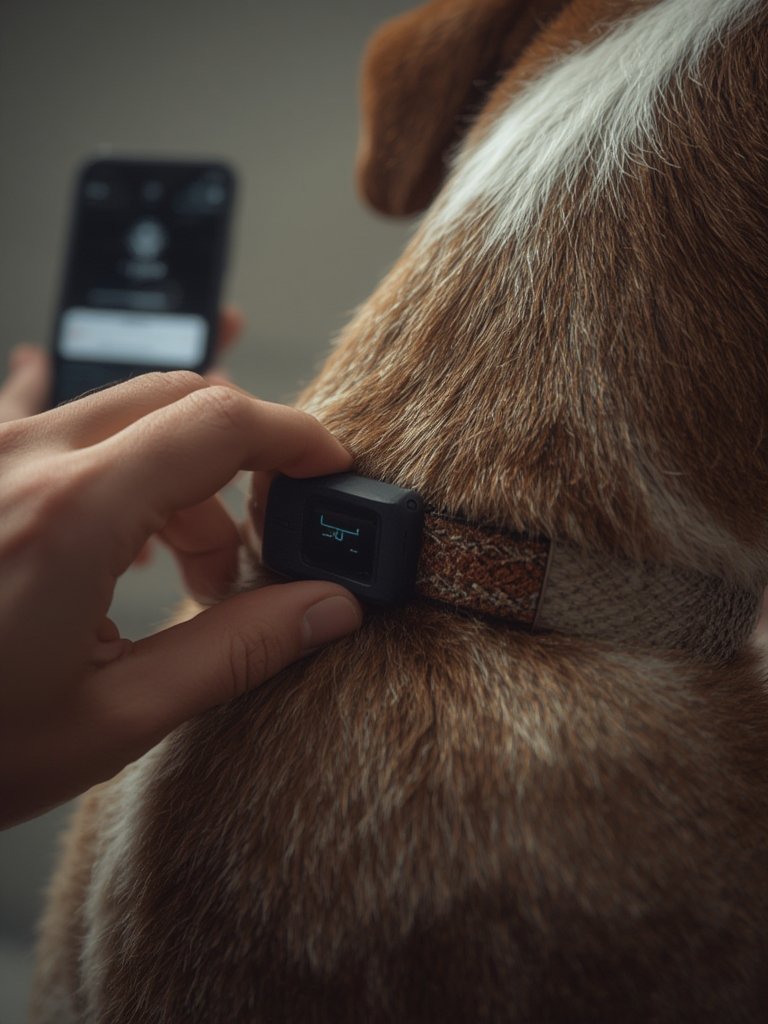
A GPS dog fence is a containment system that uses satellite navigation technology (GPS) to create invisible boundaries for your dog—no wires, digging, or physical fence required. You draw the boundaries virtually using an app, and the collar warns your dog if it approaches or crosses the set perimeter.

Unlike traditional in-ground electric fences or basic wireless units, GPS dog fences give you highly customizable and flexible boundaries, which makes them suitable for tough terrains, rental properties, and even travel.
According to the latest market reports, the global market reached $420 million in 2024. Adoption is fueled by urban living, increasing pet ownership, and demand for automated solutions that fit modern lifestyles.
Interested in related pet technology? Learn more about AirTag pet collars for cats and dogs as affordable tracking alternatives.
Step-by-Step Guide: How to Set Up a GPS Dog Fence (and Get Results)
-
Unpack and Charge All Components
Most GPS dog fences require you to charge the collar and the base unit (if included) before setup. Use the manufacturer’s charger and allow several hours for a full charge. -
Download and Install the App
Leading brands like Halo and SpotOn require an app.
Create your account—this is where you’ll draw your map and monitor your dog. Make sure your smartphone’s location services are on for best results. -
Create Your Dog’s Boundary Map
Walk the boundary of your property (or area you want your dog to stay in) holding the collar/app. The GPS records these points and draws the perimeter virtually. This also helps your dog learn the physical cues. -
Test the Perimeter
Check that warnings trigger only when your dog approaches the boundary. Most systems use tones, vibration, or gentle static to warn your pet. Repeat the walk if the map seems off—accuracy can fluctuate depending on terrain and weather. -
Train Your Dog Gradually
Never just switch on the fence and let your dog roam. Use positive reinforcement and leash guidance, ensuring your dog understands warning cues and returns promptly when it hears or feels them. -
Monitor and Adjust
Use the app’s notifications and GPS tracking to confirm everything functions as expected. Adjust boundaries or settings if needed, and recharge batteries regularly (often required every day or two). -
Regularly Update Software
GPS collar makers often release app or firmware updates to improve reliability and accuracy. Enable automatic updates if possible—this can address bugs or connection issues.
Want to keep your dog’s outdoor experience positive? Combine this setup with dog lick mats to reduce stress and boredom during early fence training.
Managing odor as your dog spends more time outdoors? See how a top pet deodorizer can help keep your house fresh after outdoor play.
Advanced Analysis & Common Pitfalls
While GPS dog fences solve the hassle of digging or dealing with wires, new users often underestimate the system’s real-life quirks. Here’s what to expect based on the latest research and user experiences:
- Signal Drift: GPS collars can “wander” by several feet, especially near tall buildings, heavy tree cover, or in bad weather. Your boundaries might shift temporarily, causing corrections inside the safe zone.
- Battery Life Limitations: Many GPS collars require daily recharging, especially when all features (tracking, tone, vibration) are enabled. Forgetting to charge means losing both fencing and tracking protection.
- Subscription Requirements: Premium GPS fences often charge ongoing fees for advanced features like real-time tracking, location history, or multiple boundary maps. These costs add up fast.
- Training Is Not Optional: Dogs must be introduced gradually to GPS boundaries. If skipped, pets easily ignore cues or become anxious from unexpected collar feedback.
- Technology Glitches: Software/app issues are common—connection drops, hardware updates, and false corrections are all realistic bumps in the road.
| Feature | GPS Dog Fence | Traditional In-Ground | Basic Wireless Fence |
|---|---|---|---|
| Setup Requirements | No digging, app-based, flexible boundaries | Extensive digging, wire burial | Plug in transmitter, fixed radius only |
| Terrain Handling | Works on almost any terrain, even water | Struggles on rocky or wet ground, limited flexibility | Limited, requires open and flat space |
| Accuracy | Varies; can drift several feet | Generally stable, but difficult to change perimeter | Prone to interference from metal/buildings |
| Ongoing Costs | High (subscriptions, replacement batteries, app upgrades) | Moderate (maintenance, wire repairs) | Low to moderate |
| Use Case Fit | Renters, rural, HOA, rough terrain, travelers | Homeowners with permanent yards | Small suburban yards, limited budgets |
For additional honest insights into new pet gear, don’t miss our review of the best medicated dog shampoos for sensitive skin.
Current GPS fence brands promise easy installation but may lack transparency about app glitches, patchy territory coverage, or battery support. As with many tech products, customer support and warranty coverage can vary widely—always check what support, replacement, and service policies look like before buying.
Want to give your dog healthier treats as you reward them for boundary training? See our comprehensive freeze-dried dog treats for long-lasting, nutritious options.
Conclusion
GPS dog fences are transforming pet containment for owners who need flexibility, advanced tracking, and easy setup—no yard digging or ugly wires required. With the global GPS Dog Fence market growing rapidly, expect new features and better reliability in coming years.
That said, the right solution comes down to your property, your dog, and your comfort with the technology’s limits and costs. Always budget for subscriptions, check battery life, and train your pet thoughtfully. If you’re ready for more freedom and peace of mind, a GPS Dog Fence could be the smartest investment this year.
Ready to start? Read our in-depth GPS Dog Fence buying guide for hands-on setup tips, and check out related innovations like smart automatic pet feeders for a full pet tech upgrade.
Frequently Asked Questions
How accurate are GPS dog fences compared to in-ground systems?
GPS dog fences can drift by several feet, especially with satellite interference, tall trees, or bad weather. In-ground fences are typically more consistent but lack flexibility.
Do GPS dog fences require a subscription?
Many advanced features like real-time tracking, activity history, or multiple pets require a paid subscription. Basic boundaries may work without, but always check with your brand.
How long does the battery last on modern GPS collars?
Battery life varies by model, but daily or every-other-day charging is common for feature-rich collars. Forgetting to recharge means losing both fence and tracking capabilities.
Are GPS fences safe and humane for sensitive dogs?
Yes, most use warning tones, vibration, or mild static. Always train dogs gradually and choose a correction method that matches your pet’s needs. Consult your vet if unsure.
Can I use a GPS dog fence if I travel or rent my home?
Absolutely. GPS dog fences are well-suited for renters, RV owners, or anyone who may move frequently, since boundaries are set digitally and don’t require permanent installation.