


### Blog Post:
GPS dog fence technology is transforming how pet owners keep their dogs safe without the hassle of digging or installing wires. As these devices become more popular, it’s essential to know what sets a GPS dog fence apart, what to expect from setup to ongoing use, and the real limitations you might face. Here’s a practical guide to help you make the right choice for your dog and yard.
Key Takeaways
- GPS dog fences provide flexible, wire-free boundaries and real-time tracking, but accuracy can vary based on location and tech upgrades.
- Market growth for GPS containment collars is strong, with app-based features and security alerts making them the premium choice for pet owners in 2024.
- Careful attention to setup and ongoing subscription fees is needed to avoid disappointment or unexpected costs.
- The Core Concept: What Is a GPS Dog Fence and Why It Matters
- Step-by-Step Guide: How to Choose and Set Up a GPS Dog Fence
- Advanced Analysis & Common Pitfalls: Market Data, Problems, and Realistic Limits
- Conclusion
- FAQ Section
The Core Concept: What Is a GPS Dog Fence and Why It Matters
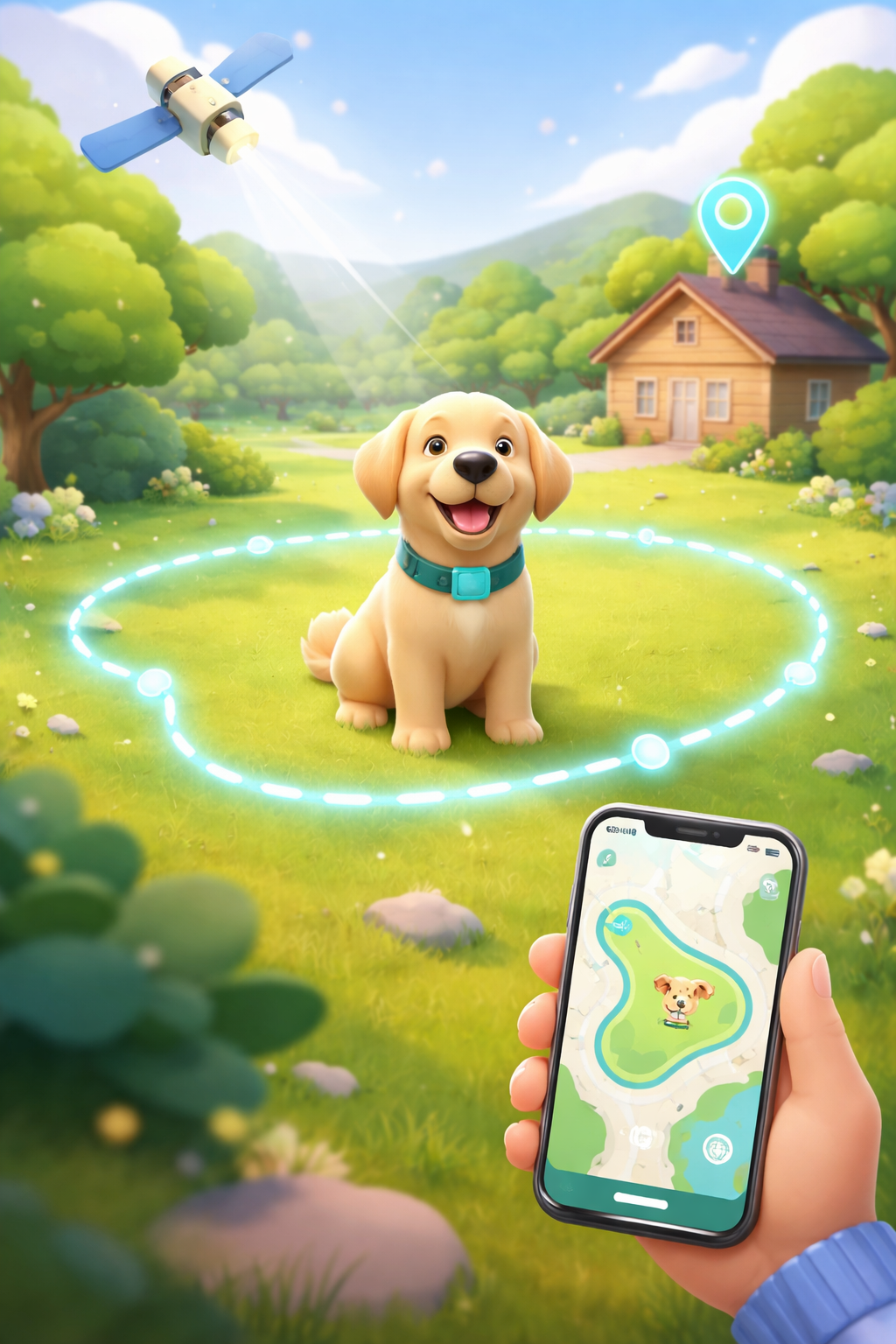
A GPS dog fence uses satellite signals to create an invisible and adjustable boundary for your dog, making them perfect for pet owners who don’t want to bury wires or be limited by traditional circular wireless fences. By combining containment and tracking, these systems let you monitor your dog’s movements through a smartphone app, set custom boundaries—even across uneven or large terrain—and receive instant alerts if your pet leaves the safe area. The technology is growing rapidly and is especially valuable for people with irregular yards or those who travel with their dogs.
Step-by-Step Guide: How to Choose and Set Up a GPS Dog Fence
Choosing and setting up a GPS dog fence involves a bit more planning than classic wireless models. Here’s exactly what to do for the best results:
- Assess Your Needs and Terrain: Map out the space where your dog needs containment. GPS systems excel on large, open land but can be less reliable between tall buildings or thick tree cover.
- Select the Right Model: Look for GPS fences with high location accuracy, customizable boundaries, escape alerts, and compatibility with your smartphone. Pay attention to subscription fees for advanced features like real-time tracking or health monitoring.
- Read the Manual and Download the App: Every brand has unique procedures. Start by fully charging the collar and installing its app.
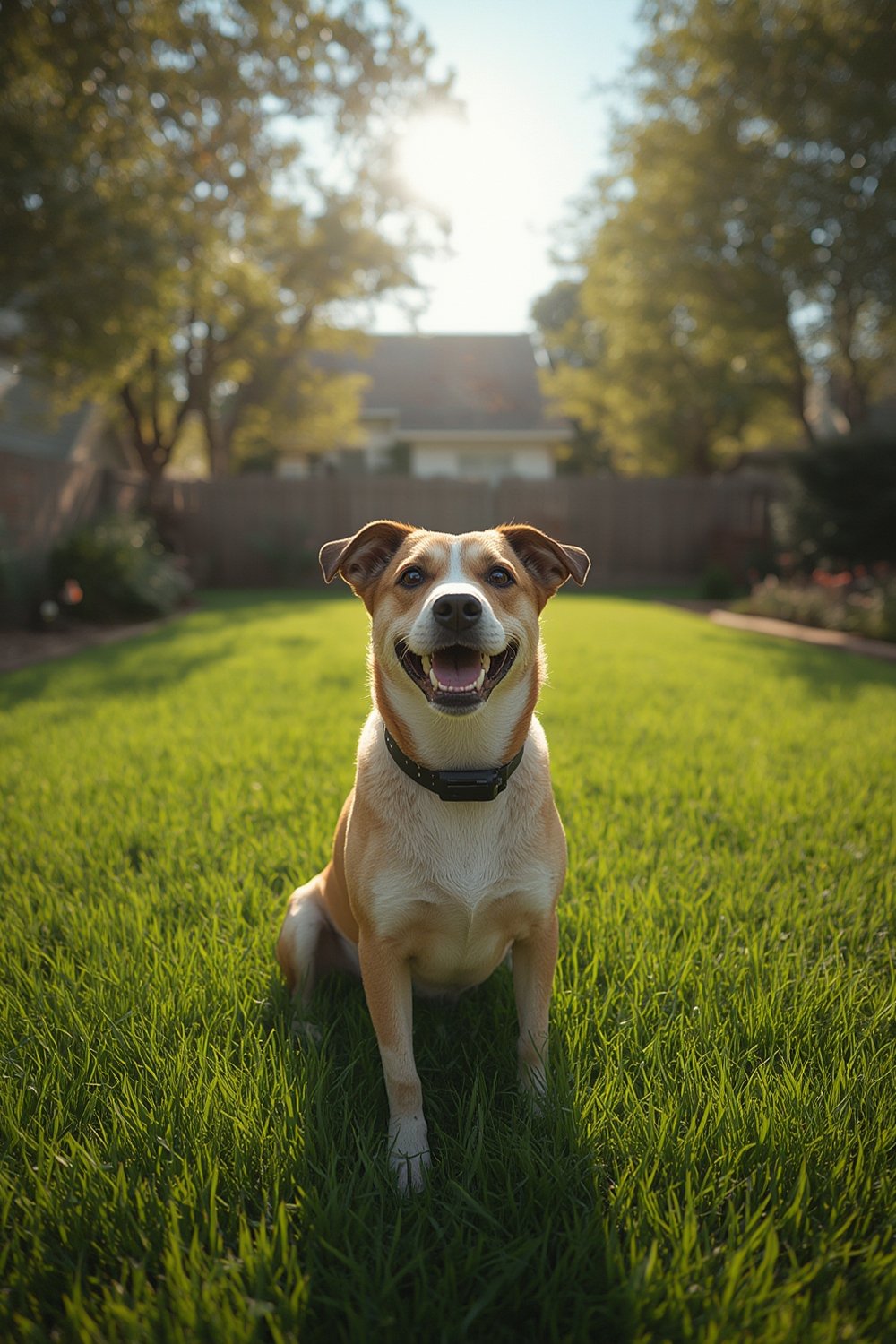
- Create the Boundaries: Use your phone or base station to virtually “walk” the perimeter where you want your dog to stay. Take time to double-check for GPS accuracy, and make sure the boundaries reflect the actual safe zones (avoid roads or hazards).
- Test Before Trust: Place the collar on yourself or a leash and walk the boundary to see exactly where alerts trigger. Adjust settings as needed in the app.
- Train Your Dog Gradually: Guide your pet with praise and treats as they learn the boundaries. Follow the brand’s training plan. Most dogs adapt within a week or two when training is consistent.
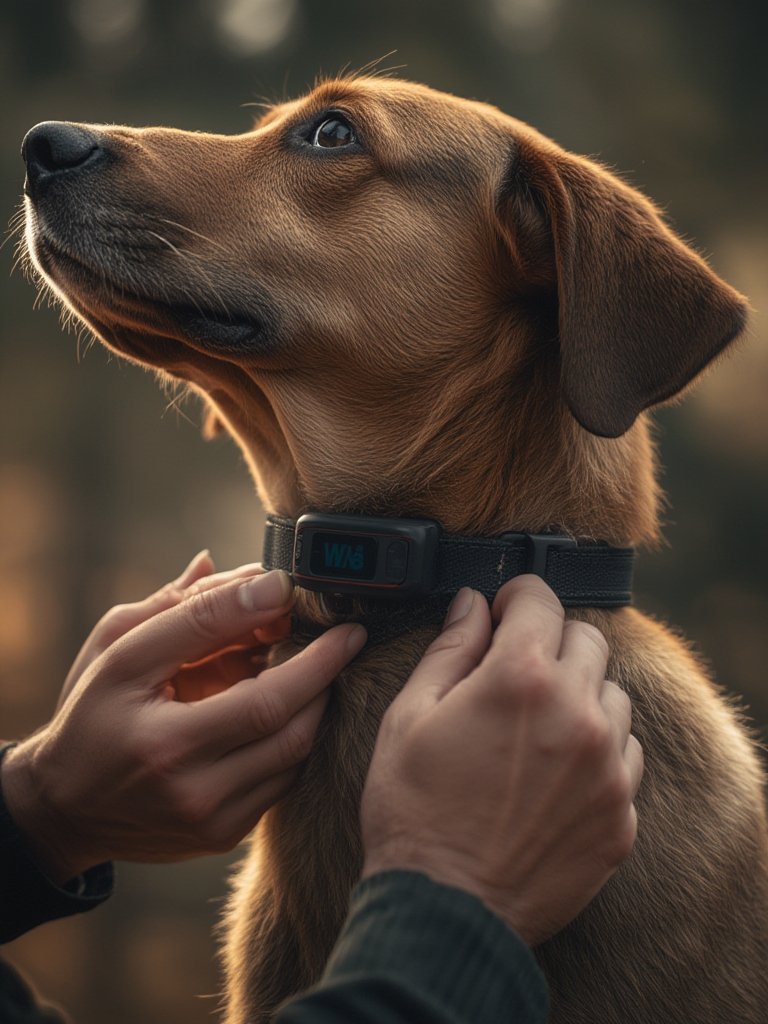
- Monitor Usage and Battery: Regularly inspect the collar for tightness, charge level, and wear. Activate safety alerts so you get notified if your dog escapes. Some systems offer health insights or reminders to help you stay on top of maintenance.
For even more at-home pet care tips, see our guides on medicated shampoo for dogs and pet deodorizer for a healthier, odor-free coat.
Advanced Analysis & Common Pitfalls: Market Data, Problems, and Realistic Limits
Let’s break down the core data, realistic limitations, and what sets GPS dog fences apart—so you avoid expensive mistakes and disappointment.
1. How GPS Dog Fences Stack Up: Statistics & Market Growth
- The GPS-enabled dog fence collar market reached USD 410 million in 2024, reflecting how rapidly these systems have outpaced classic in-ground or radio-based solutions. (source)
- With a 6.7% CAGR projected to 2033, GPS models are expected to capture more market share due to smartphone features and flexible setups. (source)
- North America and Europe have the highest adoption, but rapid growth is happening in Asia-Pacific (up to 17% CAGR for some trackers), so offerings and pricing could shift fast. (source)
2. Realistic Downsides and User Complaints
- Accuracy issues: GPS boundaries can drift up to several feet, especially in dense urban neighborhoods or forests. This means dogs might set off false escape alerts or get corrected when they’re still within the safe area.
- Connectivity drops: These systems need a clear view of the sky to work well. Satellite coverage can struggle around tall buildings or thick trees, briefly disabling containment or tracking.
- Subscription costs: Many premium features—like real-time tracking or escape alerts—require ongoing monthly or yearly fees that aren’t always clearly disclosed upfront.
- Safety limits: No virtual fence should be completely trusted until it’s thoroughly tested with your dog. Always combine with ID tags, training, and supervision.
3. Technical Comparison: GPS vs. Other Wireless Dog Fences
| Feature | GPS Dog Fence | Traditional Wireless (No Wire) |
|---|---|---|
| Setup Flexibility | Custom shapes & sizes; unlimited area | Fixed, usually circular zones |
| Installation | No digging or wires, app required | Plug-and-play, simple base unit |
| Range | Virtually unlimited in open spaces | Typically up to 1000+ feet circular |
| Reliability | Subject to GPS drift, weather or urban interference | Prone to electronic interference indoors or near metal objects |
| Ongoing Fees | Often requires monthly subscription | Usually one-time cost, no subscription |
| Boundary Customization | High, shapes match property lines | Low, only adjust radius |
| Remote Monitoring | Phone app, real-time escape alerts | Limited or no remote alerts |
For a tech alternative without recurring subscription, check our AirTag dog collar comparison.
4. Cost Considerations
- Upfront price: Most GPS dog fences cost more than basic wireless options, typically priced higher due to technology and app integration. The range can be from under $200 up to $500+.
- Subscription fees: Expect to pay $5-15/month for features like real-time GPS, health insights, or advanced escape alerts.
- Maintenance: Battery replacements, occasional firmware updates, and collar wear will add to costs over time.
5. Missing Factors in Competitor Guides
- Competitor articles rarely highlight the rapid changes in GPS dog fence tech: features and accuracy are improving each year, so last year’s reviews could mislead buyers.
- Regional differences—Asia-Pacific is seeing product surges and new brands which may impact selection, price, and language support in North America or Europe.
- Wireless dog fence options without GPS (or with simplified GPS) can be much cheaper and are a practical middle ground for small yards.
Need more ways to care for your dog’s coat and skin? Read our guides on antifungal wipes for dogs and deshedding shampoo for dogs for easy grooming tips.
Conclusion
GPS dog fences stand out for flexible boundaries, advanced tracking, and smartphone integration, making them the preferred choice for tech-savvy pet owners or tricky landscapes. Still, be aware that accuracy, connectivity interruptions, and subscription fees can affect usage. Always combine a GPS dog fence with training and backup ID solutions for complete peace of mind. Ready to explore the right fence for your pet? Start with small tests, compare models, and protect your best friend’s freedom and safety now.
FAQ Section
How accurate are GPS dog fences?
Most GPS dog fences have a typical accuracy range of 3-10 feet, but dense tree cover or buildings can cause the boundary to drift. Regularly test the fence after setup.
Do GPS dog fences require a subscription?
Many require a monthly or yearly subscription to unlock features like real-time tracking, escape alerts, or health insights. Always verify costs before you buy.
Are GPS dog fences safe for all dog breeds?
Yes, as long as you follow setup and training instructions. Ensure the collar fits comfortably and avoid using static correction on puppies or highly sensitive breeds.
Can GPS dog fences be used in apartments or small yards?
They can be used in any outdoor space. However, GPS accuracy declines indoors. For apartments, consider traditional wireless units or a portable playpen for true safety.
What’s the main advantage of GPS dog fences over standard wireless units?
Customizable boundaries and unrestricted area coverage. GPS fences are ideal for oddly shaped properties, large open land, or active travel with your dog.
—
[…] further convenience, related smart products like wireless dog fence no wire can prevent escapes you’ll otherwise just watch unfold live in your pet camera […]
[…] engagement matter most. Discover the next step to better cat care by exploring internal guides on pet safety tech and wellness supplements. Make your choices mindful, and let the best Interactive Cat Toys […]
[…] to start? Read our in-depth GPS Dog Fence buying guide for hands-on setup tips, and check out related innovations like smart automatic pet feeders for a […]
[…] Outdoor gear selection […]