



Dog probiotics are quickly gaining traction among pet owners and veterinarians for their ability to support canine digestive health, reduce diarrhea, and balance gut flora—but not all claims are equally backed by science. In this guide, you get the most up-to-date, actionable insights on what works, what to avoid, and how to use probiotics so your dog actually benefits.
Key Takeaways
- Recent studies confirm specific canine-derived probiotic strains can reduce diarrhea, inflammation, and support gut balance in dogs with minimal side effects.
- Choosing the right probiotic strain, dose, and duration dramatically impacts results—random supplements may not deliver benefits or could be wasted.
- Most competitor articles overlook essential risks such as product safety, interactions with medications, and lack of long-term safety data.
- What Are Dog Probiotics and Why Do They Matter?
- How to Use Dog Probiotics: A Step-by-Step Guide
- Advanced Analysis & Common Pitfalls
- Conclusion
- Dog Probiotics FAQ
What Are Dog Probiotics and Why Do They Matter?
Dog probiotics are live, beneficial microorganisms added to your pet’s diet to promote a healthy gut microbiome. Dogs naturally harbor thousands of bacterial species in their intestines. When that balance gets disrupted—due to stress, antibiotics, illness, weaning, or dietary changes—digestive distress, diarrhea, and inflammation often follow.
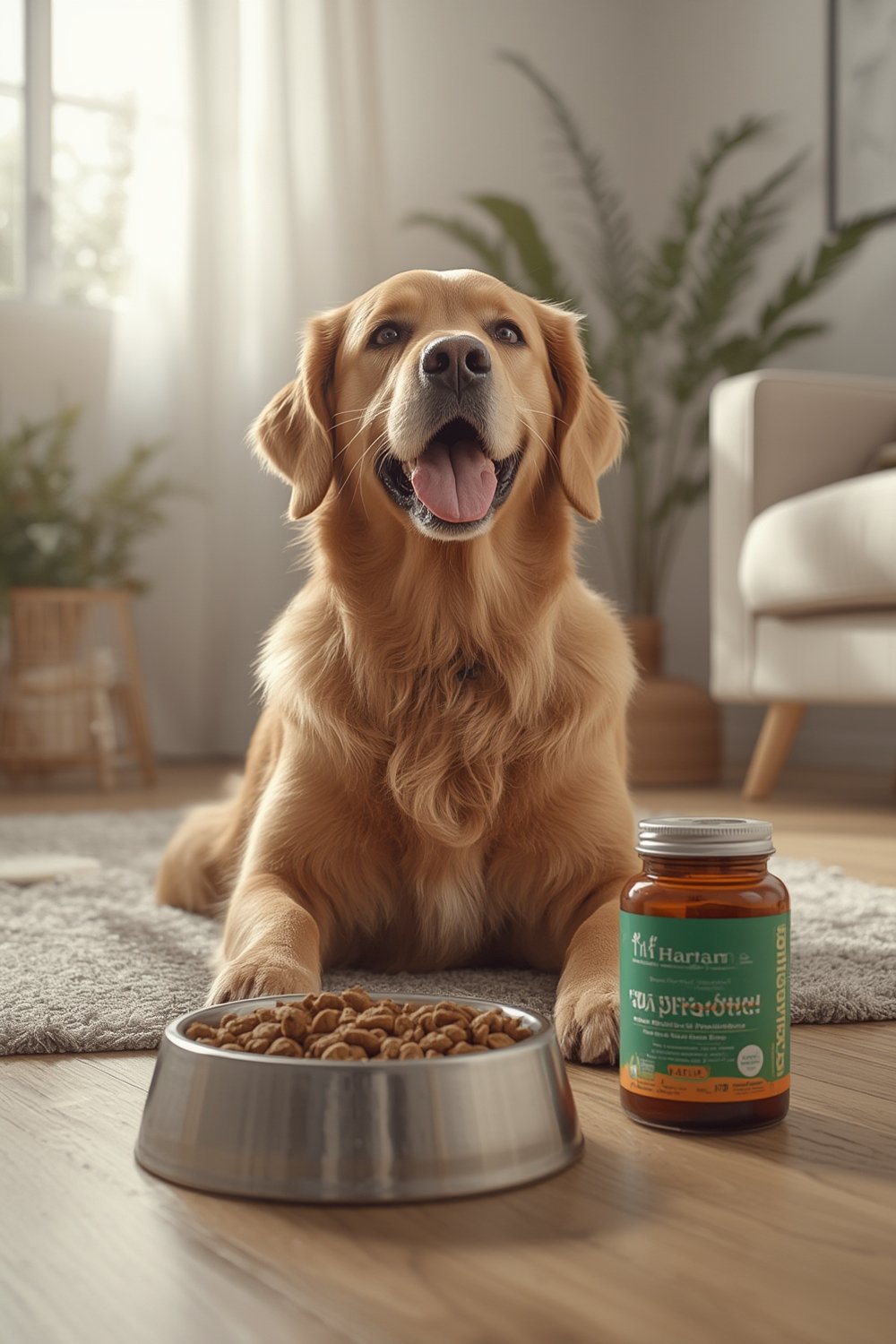
Peer-reviewed studies from 2023 and 2024 show that certain probiotic strains, especially those sourced from healthy dogs or canine milk, improve stool consistency, increase beneficial short-chain fatty acids, reduce diarrhea, and lower inflammation markers like IL-8 and TNF-α.
For example, puppies supplemented with Lacticaseibacillus rhamnosus CECT 30021 and Lactiplantibacillus plantarum CECT 30022 experienced less gastroenteritis and fewer antibiotic treatments compared to placebo groups (study source).
More broadly, multi-strain blends of lactobacilli and bifidobacteria help decrease harmful pathogens such as Clostridium perfringens while increasing secretory immunoglobulins (IgA, IgG) vital for immune defense (study link).
With the global market for dog probiotic supplements now valued at $467 million and projected to double in the next decade (market data), more brands are entering the field. Unfortunately, not all probiotic supplements are created equal—formulation, strain specificity, viable counts, and study backing all matter.
Addressing digestive problems like diarrhea, firm stools, gastroenteritis, or even obesity-related gut dysbiosis with the right, evidence-based probiotic is now possible, but navigating the options requires more than just picking a bottle off the shelf.
How to Use Dog Probiotics: A Step-by-Step Guide
-
Consult your veterinarian before starting.
While probiotics are well-tolerated in studies, consulting with your vet is crucial—especially if your dog has chronic digestive issues, immune compromise, or is on medications. Your vet can advise if a probiotic is appropriate and identify the most evidence-backed strains and brands for your dog’s case.
-
Choose a probiotic with proven, dog-specific strains.
Look for products listing Lacticaseibacillus rhamnosus CECT 30021, Lactiplantibacillus plantarum CECT 30022 (from canine milk), Enterococcus faecium, and multi-strain lactobacillus-bifidobacteria blends. Avoid supplements formulated only for humans or lacking published studies in dogs. Some brands fail to disclose their actual strains—skip those.
-
Check for third-party testing and shelf stability.
Probiotics are only effective if live bacteria survive until consumption. Select brands with independent verification of colony forming units (CFUs) and proper packaging (blister packs or oxygen-impermeable containers). Look for clear expiration dates and “guaranteed live through end of shelf life” labeling.
-
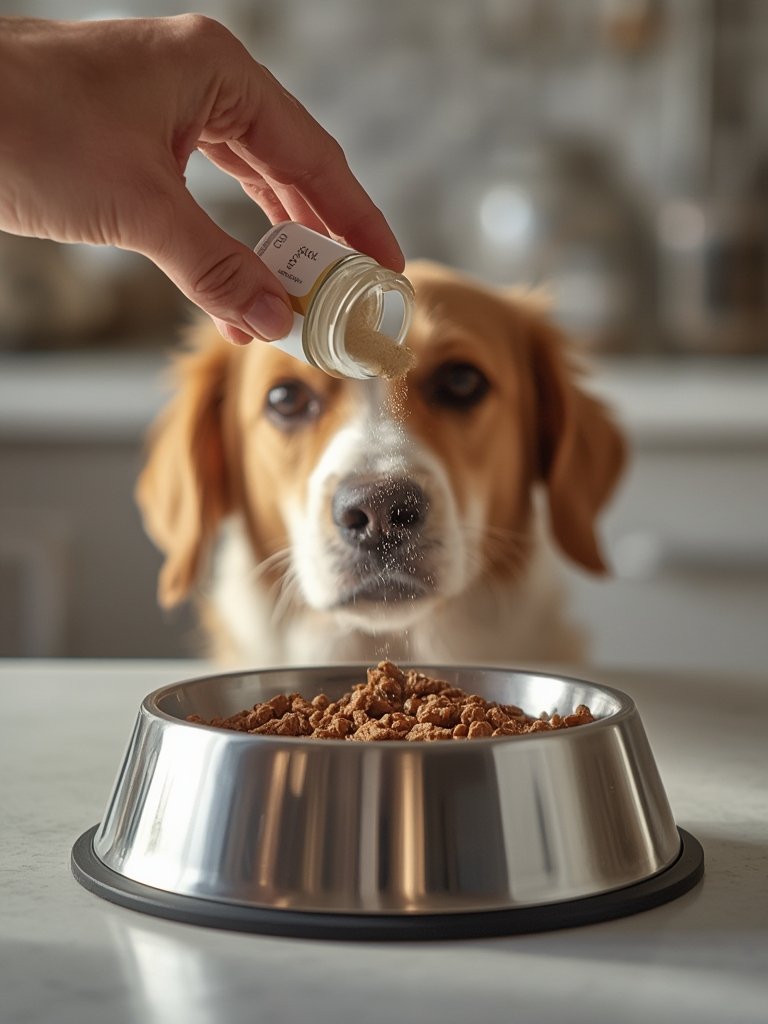
Start with the recommended dosage and maintain daily use for at least 4-6 weeks.
Research shows benefits after 4-6 weeks of consistent daily dosing. Do not expect dramatic overnight changes. Some owners notice firmer stools or less diarrhea within a week. For dogs with chronic diarrhea, improvement was reported in 73% after using advanced microbial probiotic formulas (clinical data).
-
Monitor stool quality, energy, and side effects.
Record your dog’s baseline stool score, digestive symptoms, appetite, and any behavioral changes. Studies found 0% adverse events but watch for unexpected vomiting, loose stools, itching, or behavioral changes when starting any new supplement. If problems occur, stop and consult your vet.
-
Reassess and adjust if needed.
If there is no improvement after 6 weeks, ask your veterinarian about switching strains or re-evaluating for underlying causes. Not every dog responds to every probiotic—strain specificity and individual gut microbiome play a role. Always transition between products gradually to minimize gut upset.
Related Tip: If your dog is also struggling with skin conditions, using a medicated shampoo for dogs can complement probiotic therapy by reducing surface irritation and infection risk.
Want to control doggy odors caused by digestive upsets? Consider a high-quality pet deodorizer while addressing the root digestive issue.
Advanced Analysis & Common Pitfalls
Despite the positive data, many dog owners encounter problems due to misleading marketing and incomplete product information. Here are the most common mistakes and their consequences—grounded in recent clinical trial data and real-world experiences.
Common Pitfalls with Dog Probiotics
- Picking generic (human) probiotics: Strain matters. Many generic or human-formulated probiotics have not been tested in dogs and may not survive canine digestive transit—or lack efficacy for specific canine digestive issues.
- Ignoring strain-specific evidence: Not all Lactobacillus or Bifidobacterium are the same. Effective commercial dog probiotics must use strains with proven benefit in canine studies—for example, L. rhamnosus CECT 30021 or L. plantarum CECT 30022.
- Disregarding shelf stability: Heat, moisture, and oxidation destroy live bacteria. Many over-the-counter options do not guarantee viable counts through expiration.
- Overlooking underlying conditions: Chronic diarrhea may require more than probiotics (e.g., diet change, deworming, targeted prescription meds).
- Expecting instant results: Clinical improvement generally appears after 2–4 weeks; persistent issues necessitate further medical workup.
- Assuming zero risks: While recent studies found 0% adverse events and no increase in antibiotic resistance, safety profiles must be confirmed for each product—especially long-term use and with specific medications (expert caution).
- Not integrating with other solutions: For chronic skin, coat, or yeast issues, combine probiotics with treatments like antifungal wipes for dogs or deshedding shampoo to address external symptoms.
Comparison Table: Vet-Recommended vs. Commercial OTC Probiotics
| Aspect | Vet-Recommended Probiotics | Over-the-Counter Dog Probiotics |
|---|---|---|
| Main Strains Used | Specific, canine-tested (usually L. rhamnosus, L. plantarum, E. faecium, B. lactis) | Generic blends (often human strains; less evidence in dogs) |
| Scientific Backing | Peer-reviewed canine trials; strain-specific efficacy | Often limited or based on extrapolation from human data |
| Shelf Stability | High; typically independently tested for CFUs and viability | Varies; some false claims or imprecise labeling |
| Side Effect Risk | Minimal (studies: 0% adverse events over weeks) | Minimal but possible with untested blends; in rare cases, bloating or loose stool |
| Veterinary Guidance | Yes; tailored to individual dog | Usually no; owner chooses |
| Transparency of Ingredients | Clear strain IDs and CFU counts | Often ambiguous or incomplete |
| Support for Unique Problems | Can address weaning stress, diarrhea, obesity-driven dysbiosis | Generic; may not match specific condition |
| Cost | Not published; usually higher | Varies; can be less expensive |
Curious about holistic canine wellness? Supplements like collagen sticks for dogs are trending for joint and coat health—combine with probiotics for a well-rounded approach.

Conclusion
The latest research strongly suggests that dog probiotics—especially those featuring proven, canine-derived strains—can improve gut health, reduce diarrhea, enhance immunity, and even support healthy body weight in dogs. Not all products are created equal: strain specificity, dosing, shelf stability, and proper integration with medical care are essential for true results. Always consult your veterinarian and rely on published science, not just online hype, to select the right supplement for your dog’s needs.
If you’re ready to optimize your canine companion’s digestive wellness, start by choosing a trusted, clinically-backed dog probiotics supplement and monitor your dog’s progress over several weeks. Your diligence will pay off in healthier, happier days for your four-legged friend.
Want more actionable guides? Check out our review on the best dog shampoos for 2026 for total grooming solutions.
Dog Probiotics FAQ
What is the best probiotic strain for dogs with diarrhea?
Recent studies show the strongest results for especially in puppies. These strains reduce diarrhea occurrence and inflammation, with no serious side effects reported (research source).
How long does it take for dog probiotics to work?
Most clinical trials find that benefits are noticeable after 1 to 2 weeks, with full effects by 4–6 weeks of regular, daily use. Immediate changes are rare, and consistency is key for lasting impact.
Can I use human probiotics for my dog?
It is not recommended. Most human probiotic strains have not been tested for safety or efficacy in dogs, and your pet may get little to no benefit. Always choose products with dog-specific, clinically studied strains.
Do dog probiotics have any side effects or risks?
Published studies up to 12 weeks found no significant side effects, toxicity, or increased antibiotic resistance. However, it’s important to use well-studied, quality-controlled products and consult your vet before starting—especially for dogs with chronic conditions or those on medication (expert advice).
Can probiotics help with my dog’s skin or coat problems?
While probiotics mostly target gut health, some evidence suggests they can support immunity and reduce systemic inflammation, which may benefit dogs with certain allergic or skin conditions. For direct skin care, pair with specialty products such as dog paw or skin balm for best results.
Interesting !!
[…] you’re also managing dog health concerns, our free resource on probiotics for dogs is a helpful […]
[…] should treat lick mats like any aid—combine with training, mental stimulation, and, if needed, dog probiotics or calming supplements when targeting […]
[…] also worth reading up on healthy dog treat strategies and the benefits of dog probiotics for overall pet health when adjusting feeding […]
[…] Ready to try the Kong Wobbler? Your dog—and your furniture—will thank you. For more tips on keeping pets happy and healthy, explore related resources like our review of medicated shampoos, guides on lick mats, and expert advice on dog probiotics. […]
[…] If you’re still wondering, “Can dogs eat cat food?” the answer is simple: a nibble is unlikely to cause lasting harm, but repeated meals pose real risks to your dog’s health. Cat food is not a safe substitute for dog food. Prevent access, watch for symptoms, and prioritize your dog’s nutritional needs. If your dog has a chronic health condition or is in a vulnerable life stage, talk to your vet before you even let them near the cat’s bowl. Keep mealtimes pet-specific for a healthier, happier home. If you need expert tools to care for your dog’s skin, try medicated shampoo for dogs or see our gut health guide. […]
[…] diets due to allergies. If you’re new to identifying pet allergies, check out our guide to probiotics for dogs and freeze dried dog treats for even more allergy-conscious […]