


### Blog Post:
Can dogs eat cat food? This is a question most multi-pet owners find themselves asking, especially after catching their dog sneaking a bite from the cat’s bowl. While the foods look similar and may even smell tempting to your pup, there are key differences that impact your dog’s health. Here’s what you really need to know—without sugarcoating anything.
Key Takeaways
- Short-term consumption of cat food by dogs rarely causes major issues, but long-term feeding poses real health risks.
- Cat food contains higher protein, fat, and several nutrients that can strain your dog’s organs and create dietary imbalances.
- Prevention is critical. Keep cat food inaccessible and know when to contact a vet if your dog eats a large amount.
- Why the Dog-Cat Food Mix-Up Happens
- Step-by-Step Guide: What To Do If Your Dog Eats Cat Food
- Advanced Analysis & Common Pitfalls (With Data)
- Conclusion
- Frequently Asked Questions
Why the Dog-Cat Food Mix-Up Happens
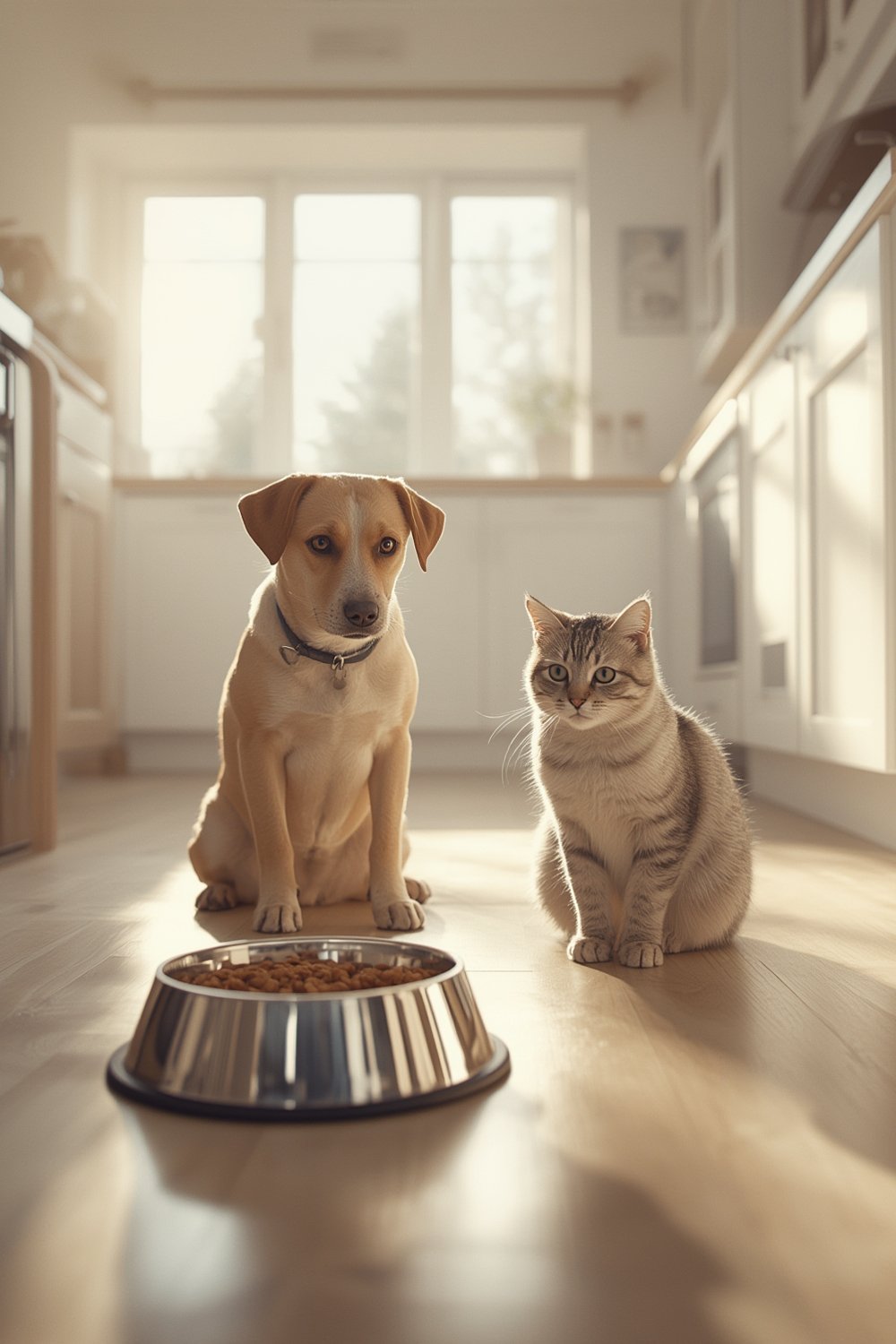
Dogs and cats may share your home, but their nutritional needs are very different. Cat food is typically higher in protein, fat, and certain nutrients like taurine and vitamin A, designed for obligate carnivores. Dogs are more flexible omnivores and do not need these intense levels. Yet, cat kibble’s smell and flavor can be hard for dogs to resist, especially if they see the cat as a food competitor or are simply bored with their own diet. But what starts as a small treat or an accidental meal can have notable effects on your dog’s health and behavior.
Step-by-Step Guide: What To Do If Your Dog Eats Cat Food
- Assess the Situation Calmly: A single bite or even a small meal of cat food is unlikely to harm most healthy dogs in the short term. Look for signs of mild digestive upset such as loose stool or vomiting, but do not panic.
- Monitor for Emergency Symptoms: If your dog ate a large amount, closely watch for persistent vomiting, diarrhea, lethargy, abdominal swelling, signs of pain, or refusal to eat. Breeds prone to pancreatitis (such as Miniature Schnauzers or small terriers) are at higher risk. Severe symptoms need immediate veterinary attention.
- Prevent Future Incidents: Feed cats and dogs separately. Use baby gates, closed doors, or elevated cat bowls. Only feed your dog their approved diet. In households with pets prone to dietary indiscretions, you may want to try a smart automatic pet feeder for portion control (read more here).
- Consult Your Veterinarian: If your dog has pre-existing conditions (especially kidney, liver, or digestive diseases) or is a small/senior/pregnant animal, always inform your vet if they ate cat food. Discuss symptoms, potential risks, and next best steps.
- Watch for Patterned Behavior: Some dogs develop a preference for cat food, even refusing their usual dog food. If this becomes a habit, retrain mealtimes and consider a dog probiotic or an enrichment toy to make dog food more rewarding.
- Use positive reinforcement: reward your dog for ignoring the cat’s food bowl.
- In homes with persistent bowl raiders, consider switching feeding routines—dogs eat first, cat gets fed when the dog is outdoors or distracted.
- For added challenge and less stress over food stealing, try a KONG Wobbler slow feeder to occupy your dog during cat mealtimes.
Advanced Analysis & Common Pitfalls (With Data)
Short-Term vs. Long-Term Feeding:
Evidence from veterinary sources indicates that a healthy dog eating a small amount of cat food will likely just experience minor gastrointestinal upset, like loose stools or a temporary change in appetite. However, if a dog eats significant amounts of cat food repeatedly or over long periods, actual health risks emerge.
| Nutrient/Component | Cat Food | Dog Food | Consequence for Dog |
|---|---|---|---|
| Protein | High (30%-40%) | Moderate (18%-26%) | Strains kidneys/liver, worsens disease |
| Fat/Calories | High | Moderate | Obesity, pancreatitis risk (esp. in small breeds) |
| Taurine | Added | Not required | Possible nutritional imbalance |
| Vitamin A | Elevated | Lower | Can affect bones & metabolism long-term |
| Minerals | Different ratios | Dog-appropriate | Long-term imbalance/deficiency |
Source: Vetic, AKC, Nature’s Logic
Common Pitfalls & Real-Life Risks:
- Gastrointestinal upset: Vomiting, diarrhea, or excessive gas are the most common short-term reactions. These usually resolve in a day if your dog goes back to their normal food.
- Pancreatitis: This is the most serious acute risk, especially for dogs with a history or genetic risk (Miniature Schnauzers, Yorkshire Terriers). Signs can include sudden pain, a tightly hunched back, lethargy, appetite loss, vomiting, and fever. This is a veterinary emergency—not something to “wait and see.”
- Weight Gain and Picky Eating: Cat food is calorie-dense and highly palatable. Some dogs become fixated, developing obesity or refusing standard dog food—a tough cycle to break.
- Chronic Health Issues: Dogs with kidney or liver conditions can worsen quickly with high-protein, high-vitamin diets intended for cats. Puppies, seniors, and pregnant dogs are especially vulnerable to nutritional imbalances.
- Repeated Incidents in Multi-Pet Homes: Inaccessible feeding setups (e.g. cats eating above floor level or dogs eating in separate rooms) are the most reliable solution. For dogs attracted to cat food smell, using a top pet deodorizer product can minimize odor cues (see top picks).
Many blog articles fail to warn about true emergencies, such as pancreatitis symptoms or how long you can reasonably wait before seeing a vet. There are no published statistics on dog hospitalizations, fatalities, or treatment costs from eating cat food. Prevention—keeping food inaccessible and using home management tools—remains your best bet.
Conclusion
If you’re still wondering, “Can dogs eat cat food?” the answer is simple: a nibble is unlikely to cause lasting harm, but repeated meals pose real risks to your dog’s health. Cat food is not a safe substitute for dog food. Prevent access, watch for symptoms, and prioritize your dog’s nutritional needs. If your dog has a chronic health condition or is in a vulnerable life stage, talk to your vet before you even let them near the cat’s bowl. Keep mealtimes pet-specific for a healthier, happier home. If you need expert tools to care for your dog’s skin, try medicated shampoo for dogs or see our gut health guide.
Frequently Asked Questions
Is cat food toxic to dogs?
No, cat food is not directly toxic to dogs in small amounts. However, it is not nutritionally balanced for dogs and can cause digestive upset or organ strain with repeated feeding.
What symptoms should I watch for if my dog eats cat food?
Look for vomiting, diarrhea, loss of appetite, abdominal pain, lethargy, and bloating. If these symptoms are severe or last more than a day, contact your veterinarian.
How can I stop my dog from stealing the cat’s food?
Feed cats in elevated spots or in separate rooms. Use a microchip pet feeder or install a baby gate that only allows the cat through. Supervise mealtimes and block access to unattended bowls.
Can cat food ever be used for dogs?
Veterinarians may occasionally recommend cat food as a short-term, high-calorie option for severely underweight or recovering dogs, but only under expert supervision. Puppy food is always better for growing dogs.
Are puppies or senior dogs at more risk from eating cat food?
Yes. Puppies, seniors, or dogs with weakened kidney/liver function are less able to handle excess protein, fat, and certain vitamins/minerals in cat food. Long-term feeding to these groups can cause serious health issues.