



Portable Pet Tent solutions are transforming how pet owners travel, camp, and spend time outdoors with dogs and cats. Whether you’re an avid camper or just want safe, convenient shade for your pet at the park, understanding the ins and outs of portable pet tents will help you make the right choice and avoid buyer’s regret.
Key Takeaways
- Global demand for portable pet tents is rapidly increasing, driven by outdoor recreation and pet humanization trends (source).
- Most portable pet tents lack standardized safety certifications and published setup times, so research before buying is critical.
- Real-world performance will depend on durability, ease of cleaning, weather protection, and region-specific pet needs.
- What is a Portable Pet Tent and Why Use One?
- Step-by-Step Guide to Choosing and Using a Portable Pet Tent
- Advanced Analysis & Common Pitfalls
- Conclusion: Making Portable Pet Tents Work for Your Pet
- FAQ: Portable Pet Tent
What is a Portable Pet Tent and Why Use One?
A portable pet tent is a lightweight, packable shelter designed specifically to give pets a safe, enclosed, and comfortable spot outdoors or while traveling. Unlike traditional crates or hard-sided kennels, these tent-like enclosures are built for quick setup, compact storage, and adaptable use in various outdoor environments.
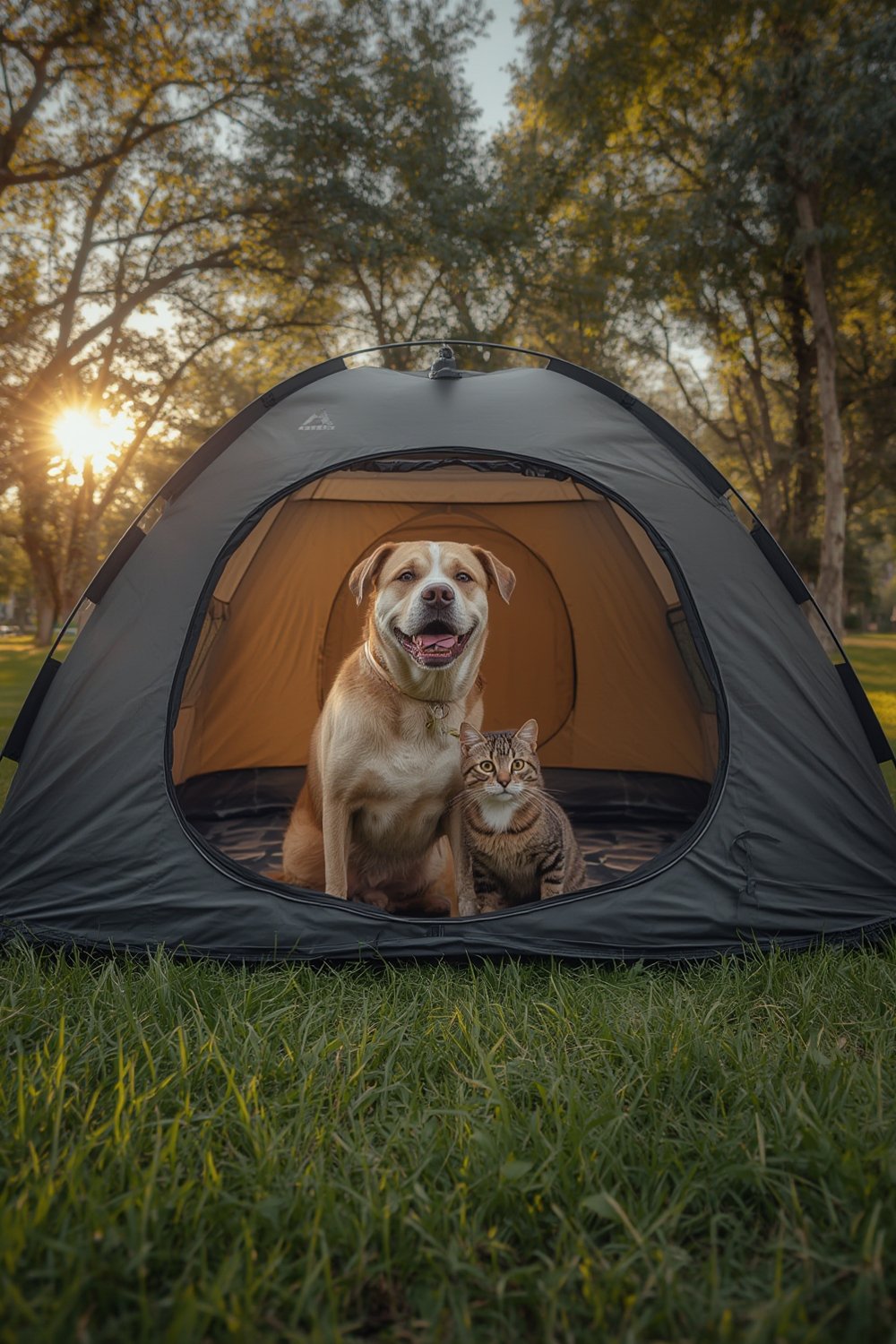
They are increasingly popular among dog and cat owners who enjoy hiking, picnics, road trips, or simply want an easy way to provide weather protection and a familiar space for their pets wherever they roam. With the portable pet tent market reaching $462 million in 2024 and projected to grow by almost 7% annually through 2033 (source), their relevance in modern pet care is undeniable.
Compared to standard playpens or crates, portable pet tents offer more flexibility and often better airflow, less weight, and easier cleaning. They’re also critical for travel safety and pet comfort, especially during long trips, outdoor festivals, or time at the beach.
Portable tents are ideal if:
- You travel or take day trips regularly with your pet
- Your pet needs a safe space at parks, gardens, or family events
- You want fast setup and compact storage
- You value weather protection in changing climates
For deeper insights on smart travel pet gear, check out our Dog Travel Bag Guide and Portable Dog Car Seat resource.
Step-by-Step Guide to Choosing and Using a Portable Pet Tent
-
Determine Your Primary Use Case
- Are you planning for occasional park use, camping trips, or extended road travel?
- Different models are made for shade, full enclosure against insects, or rain protection.
-
Assess Your Pet’s Size and Behavior
- Always measure your pet standing and lying down to ensure suitable space.
- Some tents are escape-proof, while others use lightweight mesh that won’t contain determined chewers or diggers.
-
Compare Key Features
- Look for ventilated mesh, reinforced corners, waterproof or UV-resistant fabric, and multiple entry points.
- Check reviews for real-world durability and ease of cleaning—many users complain when zippers break or mesh tears.
-
Test Setup and Pack-Down at Home
- Practice assembling and collapsing your tent before your first trip.
- Check for pinch hazards, collapsed parts, or awkward folding.
-
Train Your Pet to Use the Tent
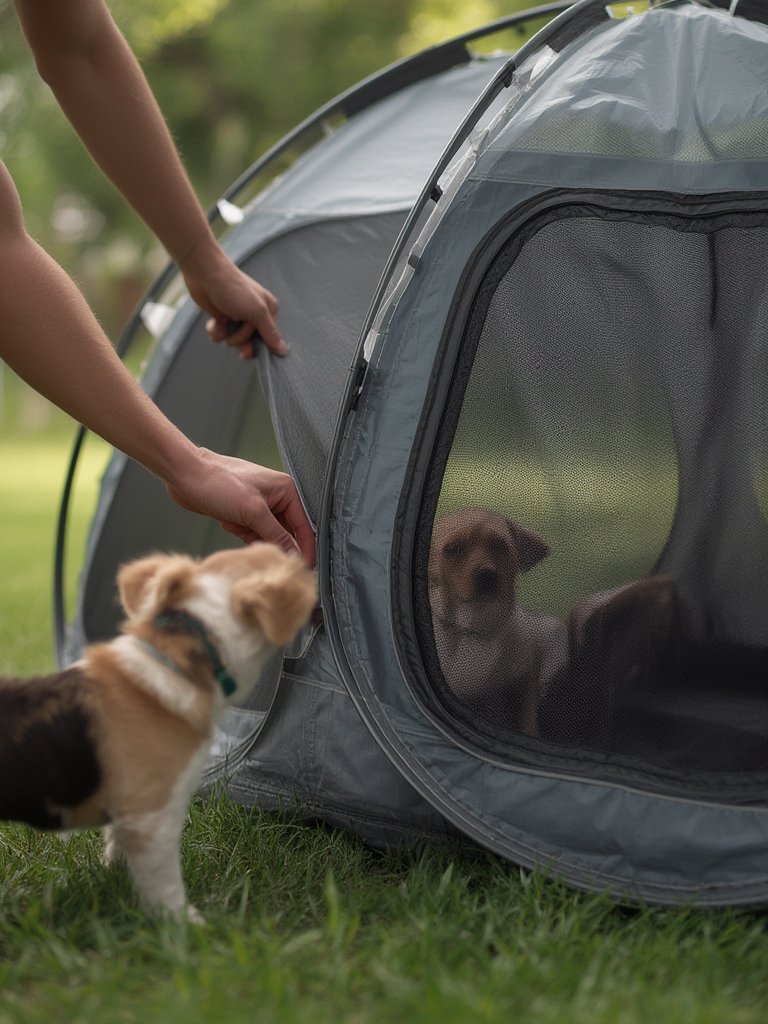
- Introduce the tent slowly, using treats or favorite bedding for positive associations.
- Never force your pet in—make it a safe, inviting space.
-
Maintain and Clean Regularly
- Vacuum or shake out loose fur; spot-clean with mild soap and water.
- For outdoor use, ensure drying before storage to prevent mildew or odors.
- For managing pet odors, see our in-depth Pet Deodorizer Review.
Want your dog extra clean before travel? Our Dog Shampoo Guide has grooming tips for every adventure.
Advanced Analysis & Common Pitfalls
Even as the market grows, portable pet tents aren’t a perfect plug-and-play solution. Based on global market research (see source), these are the most common issues and how to avoid them:
- Flimsy or Non-Durable Materials – Many mass-market tents use thin mesh or plastic poles that snap during use, especially with large dogs.
- Poor Weather Resistance – Not all models offer real rain or sun protection. Some lack UV coating, leading to faded or brittle fabric.
- Escape Risk – Light, pop-up tents without strong door closures will not contain anxious or energetic pets.
- Awkward or Slow Setup – Models with multiple poles, odd connectors, or no quick-assembly guide can frustrate users on trips.
- Tricky Cleaning & Bad Odors – Trapped fur, pet accidents, and hard-to-reach seams mean tents can get musty fast if not well ventilated or if cleaning is difficult.
| Issue | How to Avoid | Related Resource |
|---|---|---|
| Mesh tears or pole breaks | Buy reinforced models, check pet fit, avoid rough ground | Dog bed durability tips |
| Water leaks, sun damage | Choose tents with UV and rainproof ratings; use tarps if needed | Outdoor gear selection |
| Slow setup stress | Practice setup at home; avoid tents with too many connectors | Packing for pet travel |
| Staining and odors | Use removable liners; wash frequently; check for mold | Odor management |
| Pet escape | Select escape-resistant doors; supervise at events | Pet tracking products |
Market statistics highlight the surge in demand, especially in North America and Europe. The Asia Pacific region is catching up fast, driven by new pet owners and strong urban pet affinity. For a deep dive into regional data, reference the global market report.
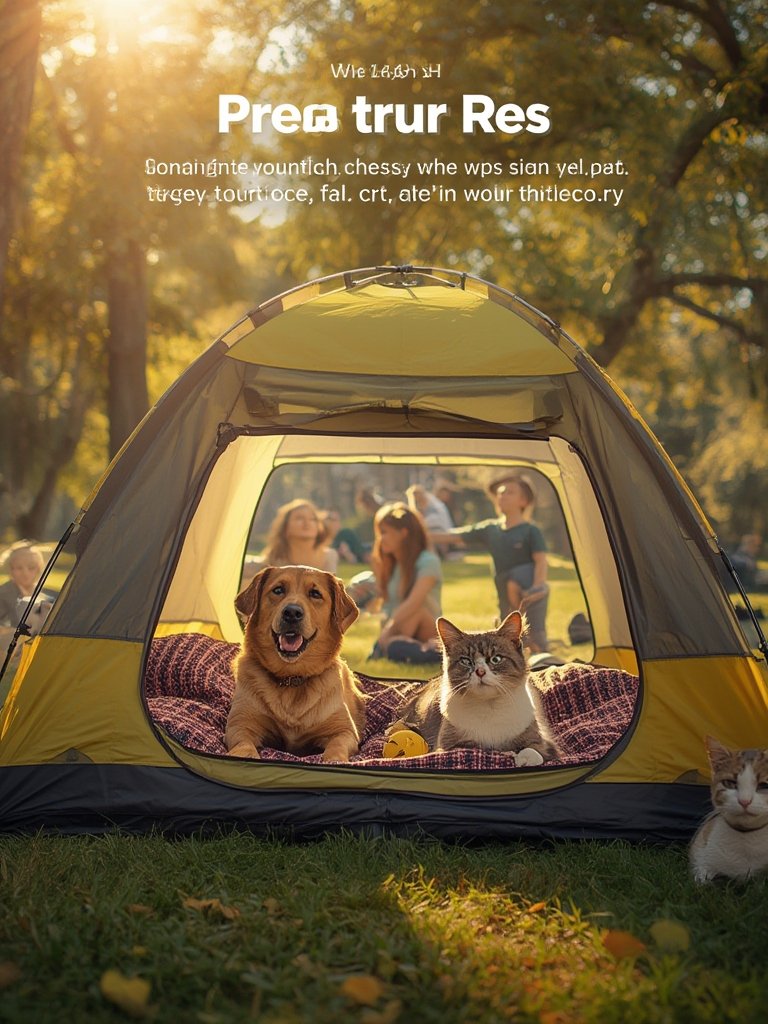
Remember: Before investing, check for regional weather conditions and pet-specific needs—what works for a small dog in California might not suit a Maine Coon cat in Ireland.
Conclusion: Making Portable Pet Tents Work for Your Pet
Portable pet tents are a flexible travel solution that empower pets to experience more of the outdoors—safely and comfortably. As the market booms, buyers need to look beyond marketing claims and focus on real features, durability, and convenience. Always confirm your Portable Pet Tent fits your pet, is easy to set up, and can withstand your local climate.
Ready to upgrade your pet’s travel experience? Start by measuring your pet, comparing tent models, and practicing setup at home. For full pet adventure gear, explore our orthopedic dog bed guide and probiotics guide to ensure health and comfort on every outing.
FAQ: Portable Pet Tent
Are portable pet tents suitable for both dogs and cats?
Yes, many portable pet tents are designed for both dogs and cats. Always check dimensions and firmness to ensure it’s safe and comfortable for your specific pet.
How do I train my pet to use a portable tent?
Introduce the tent at home first, use treats and bedding to encourage exploration, and never force your pet inside. Gradual familiarization builds trust and ensures your pet is comfortable using the tent during travel.
Can portable pet tents be used in rainy or hot weather?
Some but not all portable pet tents are weather-resistant. Look for UV-coated and rainproof materials if you plan on outdoor use. Always check ventilation on hot days and never leave pets unattended in extreme temperatures.
How should I clean a portable pet tent?
Vacuum out fur and debris, spot clean with mild soap and water, and let completely dry before storage. For extra odor control, use pet-safe deodorizing sprays or removable/washable liners.
Are there certifications or safety standards for portable pet tents?
At this time, there are no universally recognized certifications for portable pet tents. Seek models from reputable brands and inspect for reinforced seams and quality closures to avoid safety issues.